
A review of Australian retail in 2025: A look at trends, challenges and opportunities
Retail has faced a challenging period over the past couple of years, with several pressures on consumers affecting spending in the sector. High inflation has outpaced wage growth, resulting in declining real incomes, and the rising interest rates of the last few years have further reduced households' spending capability.
As we power through 2025, however, relief is on the horizon. After 13 rate hikes between May 2022 and November 2023, the Reserve Bank of Australia has announced two cuts in 2025, bringing the cash rate down to 3.85 per cent.
These cuts will ideally slow inflation on large expenditure items such as rent, food, and transport, removing the tight squeeze on household budgets, and allow wage growth to exceed the pace of inflation, translating to growth in real incomes.
With this in mind, the expectation is to see a gradual improvement in consumer spending and the enablement of economic growth, providing a more promising environment for retailers in 2025.
Current consumer trends
To understand what is top of mind for consumers in 2025, Inside Retail generated the Australian Retail Outlet report, which asked more than 500 Australian retail consumers to share their views on pricing, customer experience, personalisation, and more.
The report garnered some interesting insights, which indicated the cost-of-living crisis continues to influence spending habits. Almost half of consumers (46 per cent) responded that they were shopping less, and 22 per cent switched to private-label products in an attempt to save money. Respondents also indicated that their shopping priorities changed due to economic conditions, with 65 percent indicating their shopping habits were led by discounts and promotions.
Despite these less-than-stellar findings, Knight Frank’s Australian Retail Review - April 2025 shows more promise for retail businesses. Data tracked from late 2024 through to 2025 shows a turnaround in retail sales, with forecasts showing a 3.5 per cent rise across 2025 in nominal terms, and a 2.5 per cent rise in volume terms. This rebound came as household real disposable incomes returned to growth with easing inflation and steady interest rates.
Retailers are also reporting cautious optimism, with trading conditions improving since mid-2024. Strong sales growth in December reflected consumers taking advantage of sales events like Black Friday, which ties in with consumer spending habits that are carefully managed to occur during periods of greater discounting.

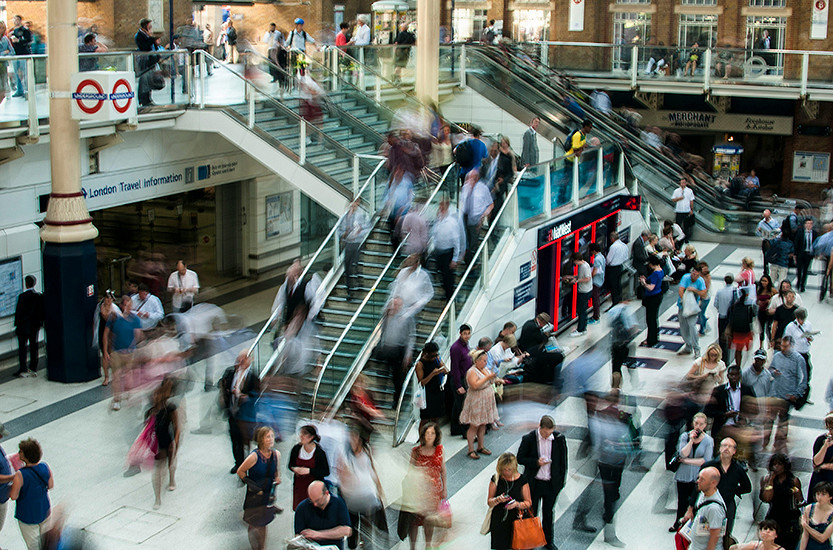
Strong growth during sales periods indicates consumers are more conscious of spending when discounts are available. Photo by Li Lin.
Consumer pain points
Aside from challenges arising from the economic state, consumers also indicated several other pain points in regards to the retail sector in the Australian Retail Outlet report. Consumer expectations when shopping include a seamless experience, whether online or in-store, and things such as inefficient logistics, poor inventory tracking, and rigid fulfilment options all impact the consumer experience. Sixty-three per cent of respondents were unhappy with high shipping costs, 50 per cent were put off by a lack of product availability, and 36 per cent were deterred by long delivery times.
Consumers also indicated they no longer perceived digital and physical retail as separate realms. While just six percent shop solely online and 12 per cent shop solely in-store, a whopping 85 per cent switch between both online and in-store. These insights drive home the need for retail businesses to provide a seamless experience with consistent pricing, real-time inventory updating, and flexible purchasing across all channels to ensure a satisfactory customer experience.
Interestingly, the Australian Retail Review indicated that the development pipeline for shopping centres was limited, in part due to the steep rise in construction costs and elevated interest rates. Major shopping centres are instead focused on optimising the performance of existing centres through upgrades and extensions, rather than developing new ones, which could reduce consumer access to brick-and-mortar establishments. Retail stores and other businesses that operate across multiple channels, like gift wholesalers, will need to keep this in consideration when reviewing their in-store and online compatibility.
Retail growth opportunities
When considering what aspects of retail really matter to shoppers, and the changes retailers need to make to thrive in 2025, there was no shortage of opinion.
Sustainability
Sustainability continues to dominate consumer mindsets. However, while 47 per cent of respondents prioritise ethically sourced products and services, only 11 per cent of them are prepared to pay a premium for them. In order to effectively target this audience, retailers must learn how to integrate sustainability into their business models without significantly raising costs.
Personalisation
Engaging with AI-driven personalisation is also on the rise, and it is expected to influence 40 per cent of purchases by 2025. As retail competition grows in intensity, and more brands begin fighting for a cut of the pie, personalisation can help create a tailored experience that is unique to a consumer’s preferences. While personalisation certainly has its place, 59 per cent of consumers also favoured tangible loyalty rewards, including cashback, discounts, and exclusive member perks, and 29 per cent were keen on dynamic pricing based on their shopping habits. A blend of personalisation combined with individualised offers and perks could help strike this perfect balance for consumers.
Smart shopping
Shoppers are willing to embrace retail innovation as long as it enhances convenience. 38 per cent of consumers support the concept of smart shelves, and 16 per cent are interested in AI-powered shopping assistants; however, privacy concerns remain an obstacle to broader adoption, with consumers demanding greater transparency on how their data is used and shared.
Meanwhile, autonomous delivery systems, smart inventory forecasting, automated stock management, and hyper-local fulfillment centres are predicted to reduce logistical costs by 12 per cent, satisfying consumers' need for faster delivery.
As the retail sector continues to travel through 2025, it is clear economic recovery will play an important role in its success; however, retailers who take the extra step to adopt technologies like AI, take on other innovations that align with consumer preferences relating to sustainability and personalisation, and address consumer pain points will likely find themselves a cut above the rest in the competitor race to capture a larger share of the market.
Buy our Journalists a coffee
Support our dedicated journalists with a donation to help us continue delivering high-quality, reliable news


Related Articles
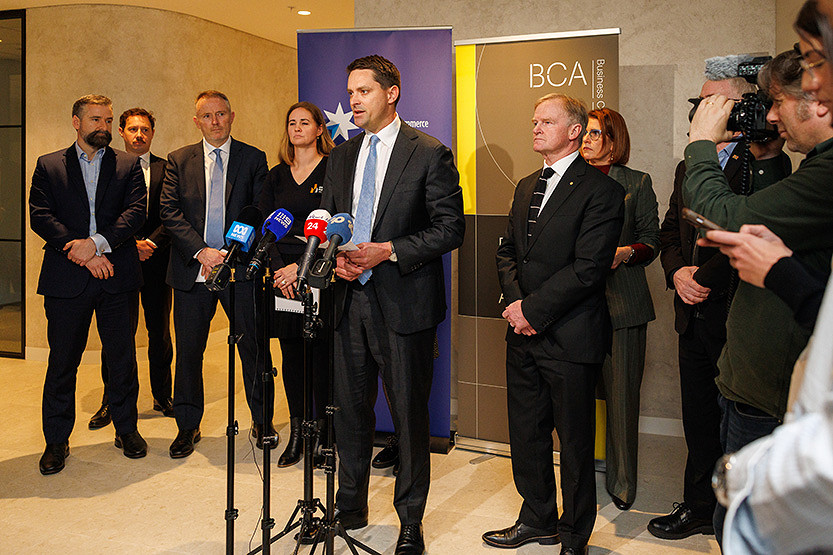
Business groups maintain pressure as Carroll pauses work-from-home laws
Victoria’s leading business and employer groups have welcomed Premier Ben Carroll’s decision to pause the state government’s controversial work-from-home legislation, but say the Bill should still be scrapped entirely.
Read More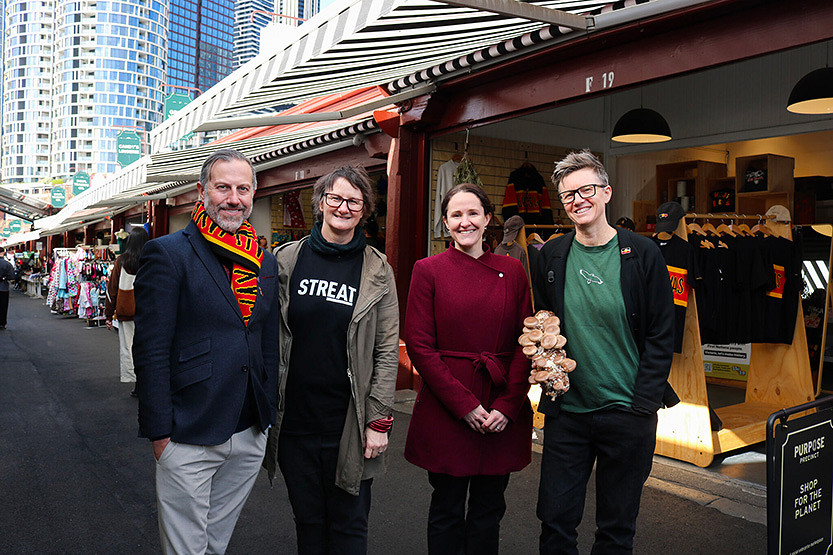
New Queen Victoria Market initiative backs social enterprises to create jobs
A new six-year social enterprise program has launched at Queen Victoria Market, testing whether stronger business foundations can translate into better employment outcomes for people facing barriers to work.
Read More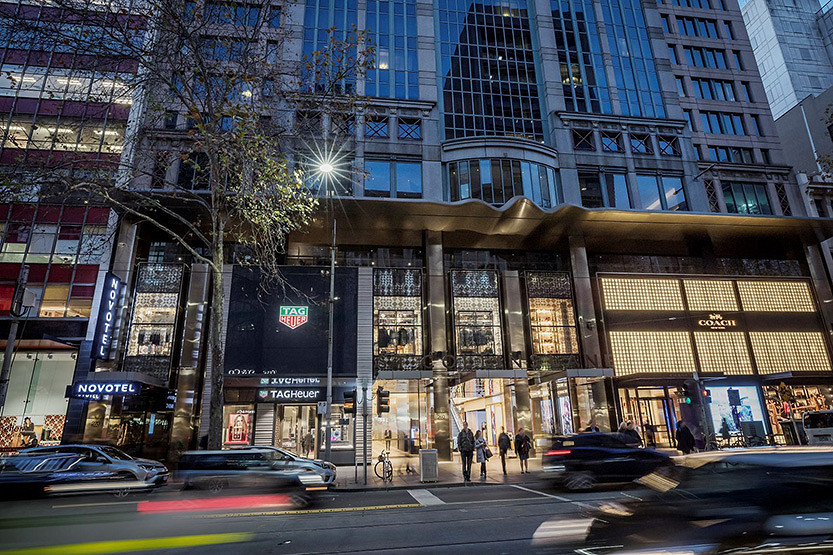
Collins St launches Australia-first precinct valet service
Visitors to Collins St will soon be able to hand over their car keys and spend the day in the city under what is being billed as Australia’s first precinct-wide valet parking service.
Read More
Who actually pays Victorians the most for solar

EastEnders to host Lord Mayor and Deputy Lord Mayor

 Download the Latest Edition