
Australia tightens the screws on international students
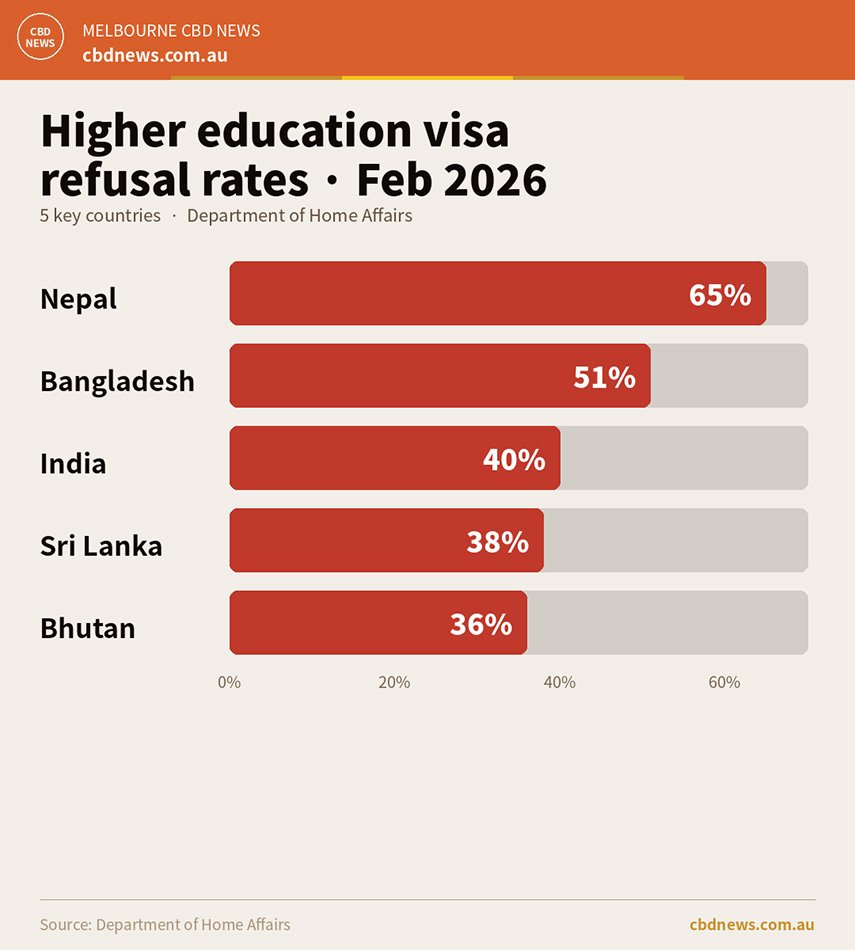
One in three international students applying to an Australian university was rejected in February 2026. That 32.5 per cent refusal rate is the highest monthly figure recorded in 21 years of tracking data, and it is no accident.
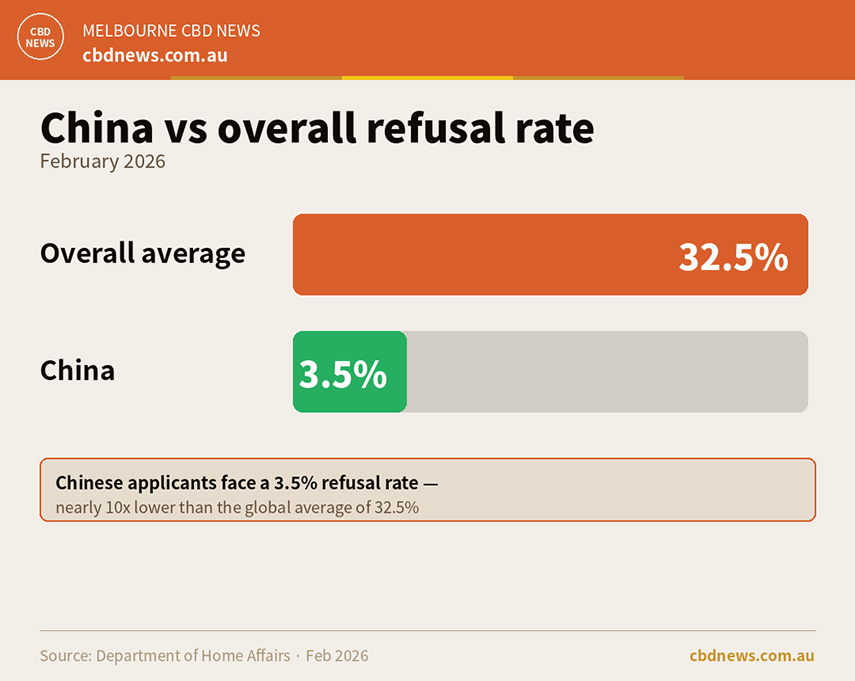
The numbers behind that headline tell a sharper story. Refusal rates for students from Nepal reached 65 per cent in February, 51 per cent for Bangladesh and 40 per cent for India. Chinese applicants, by comparison, faced a refusal rate of around 3.5 per cent, although that cohort is shrinking quickly, with Chinese higher education applications down 39 per cent year on year.
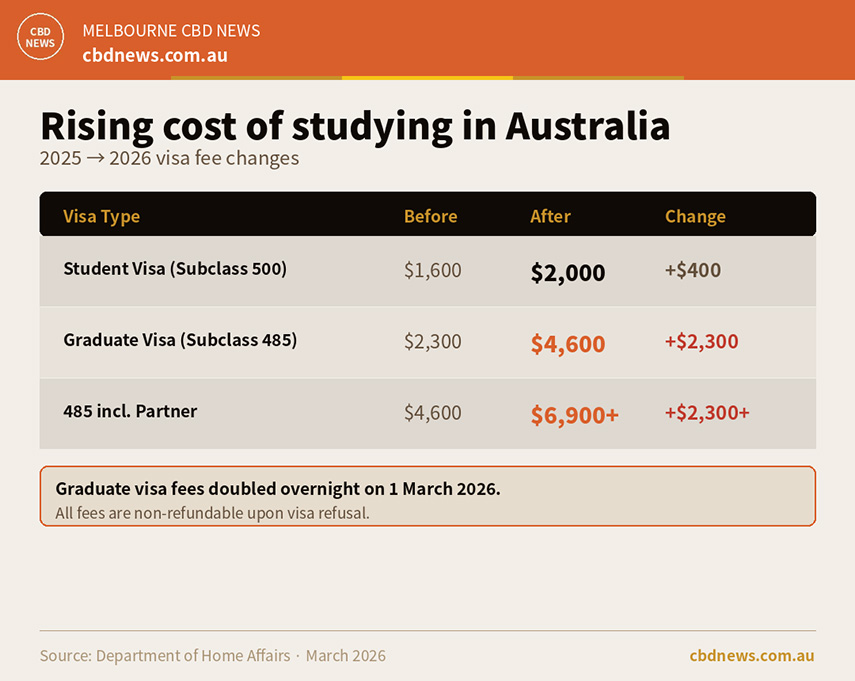
The tightening does not stop at the front door. Student visa application fees have risen from $1600 to $2000, and every dollar is non-refundable if the application is refused.
For students who make it through to graduation, the next hurdle is steeper still.
From March 1, 2026, the fee for a Temporary Graduate visa, the subclass 485 and the standard post-study work pathway, doubled overnight from $2300 to $4600. The federal government framed the increase as a way of restoring integrity to a visa route it believes had become a default stopgap for many graduates.
For those applying with a partner, the total cost can exceed $6900 before health checks, biometrics and other associated expenses are added.
Beyond the graduate work visa sits permanent residency, and that door is narrowing too.
The 2026-27 federal budget confirmed plans to overhaul the skilled migration points test, with the stated aim of prioritising younger and more highly educated applicants. The detailed changes have not yet been legislated, but the direction of travel is clear.
Taken together, these changes amount to a much tougher operating environment for international students. Australia has not closed its doors, but it is making entry, stay and settlement more expensive and more uncertain.
The stakes extend well beyond individual applicants. International education contributes around $55 billion annually to the Australian economy and supports roughly 250,000 jobs across education, housing, retail and related industries.
What might appear to be an immigration policy debate on paper has real implications for Melbourne’s inner-city economy, where universities, student housing, hospitality venues and retailers all depend heavily on international enrolments.
For a city like Melbourne, which has long marketed itself as one of the world’s great student destinations, the risks are obvious. If Australia becomes too costly, too unpredictable or too difficult to navigate, students may increasingly choose competitor markets instead.
That may be precisely the point of the policy shift. But the consequences will not be confined to migration numbers alone.
Buy our Journalists a coffee
Support our dedicated journalists with a donation to help us continue delivering high-quality, reliable news


Related Articles
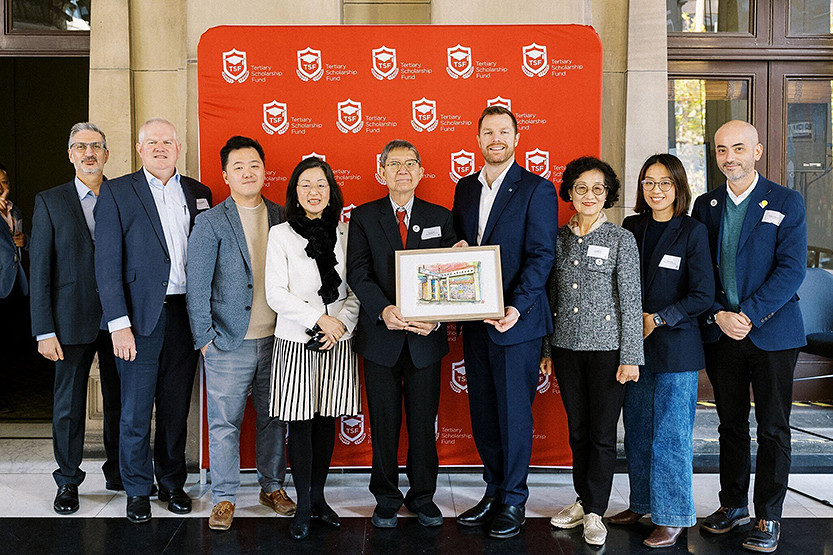
Mekong owner’s scholarship fund marks 20 years and opens 2026 applications
A Swanston St restaurant owner who arrived in Australia with little more than determination has spent the past two decades quietly building one of Melbourne’s most enduring scholarship programs.
Read More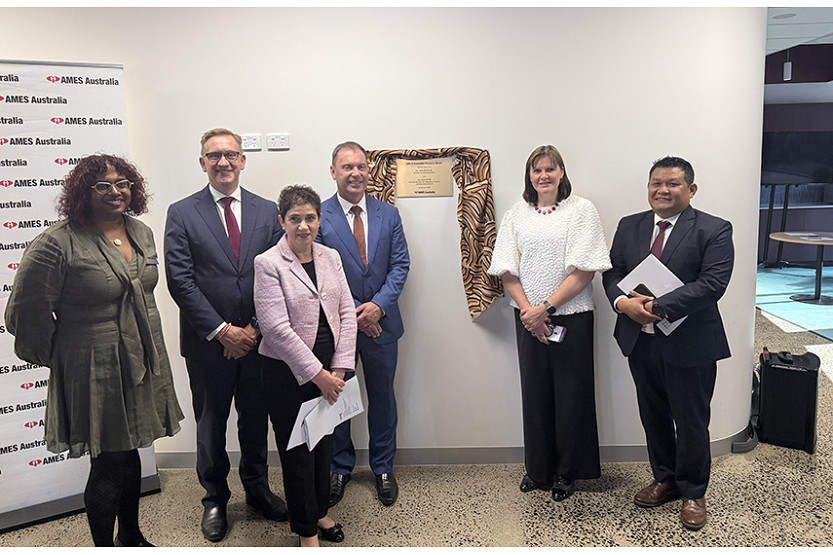
New CBD training hub opens for migrants and refugees at Flinders St
A new migrant education and training site has opened in Melbourne’s CBD, with AMES Australia launching a larger city-base designed to help more people from refugee and migrant backgrounds build skills, confidence and pathways into work.
Read More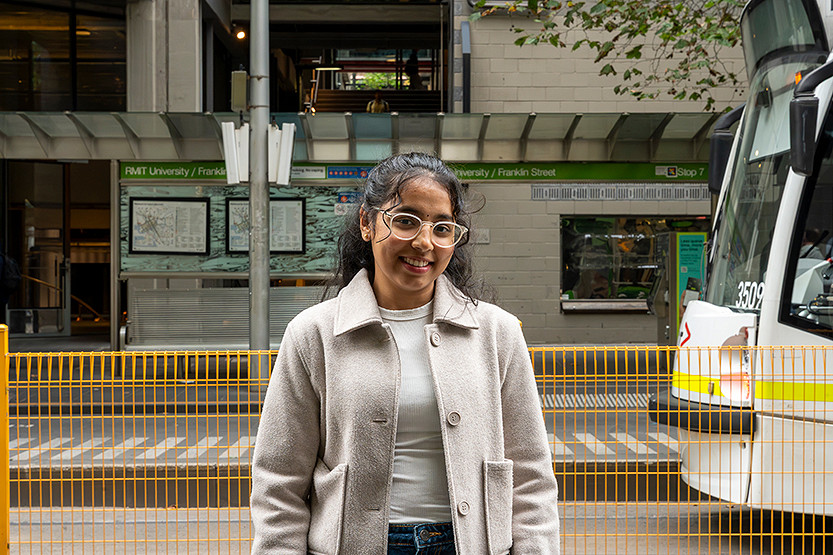
Why do international students keep choosing Melbourne?
Amid the playful sound at the pedestrian signals, tram bells, and an unlimited spread of cuisines, Melbourne continues to rank as one of the best student cities in the world, currently sitting fifth in global QS rankings, and for good reason.
Read More
Council backs AI push, framing moment as Melbourne’s “fork in the road”
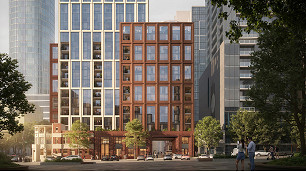
Kilkenny Inn site set for new chapter as council backs bigger residential tower

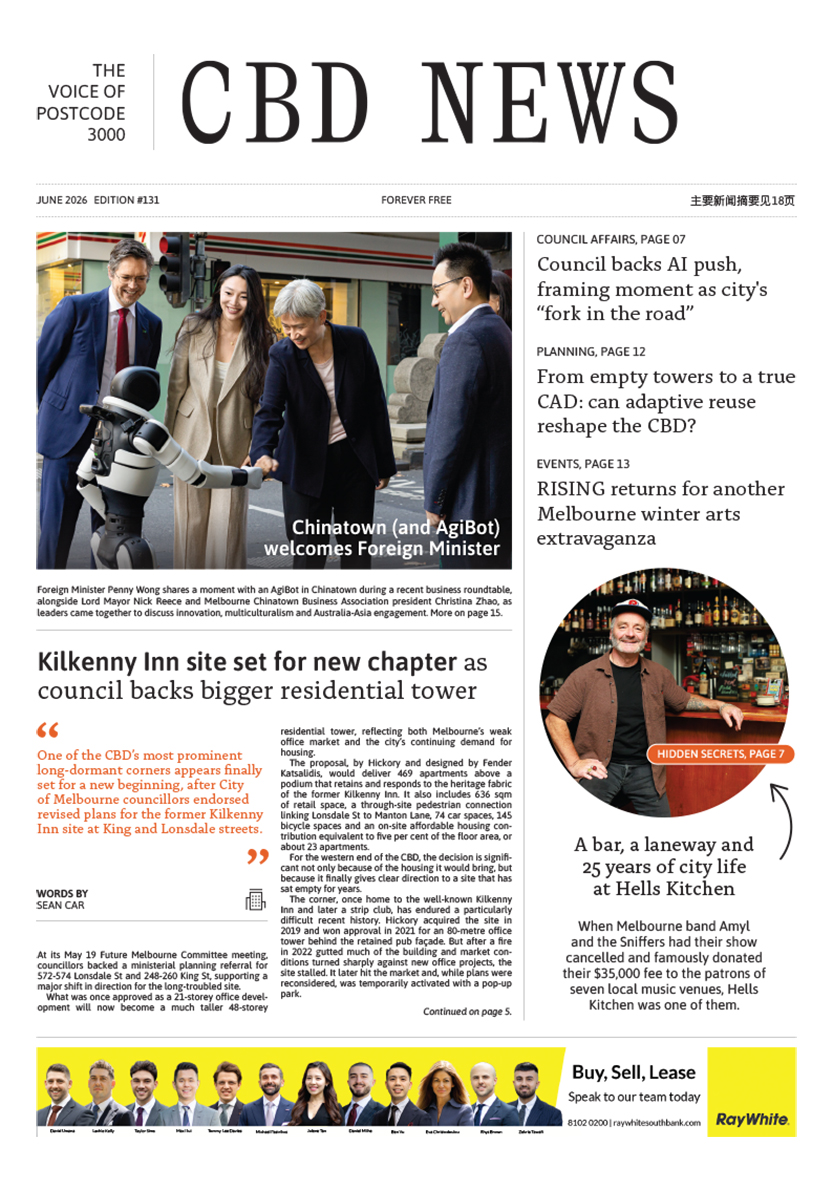 Download the Latest Edition