
Australian beauty trends of the last five years and what to expect in 2026
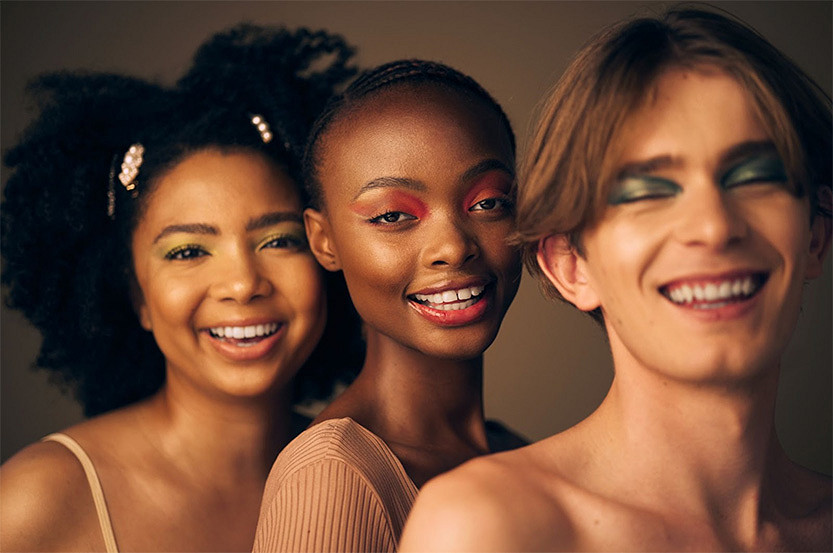
The Australian beauty industry is constantly evolving, with new trends emerging each year that reflect the changing needs and desires of consumers.
From skincare innovations to makeup trends and cosmetic procedures, Australia has seen a massive shift in beauty standards over the past five years. But what comes next?
As we move into 2026, it’s exciting to anticipate the next phase of beauty evolution.
The rise of natural, glowing skin
Over the past five years, the beauty scene has undergone a significant shift towards natural beauty. Skincare has taken centre stage, with people focusing more on achieving glowing, healthy skin rather than relying heavily on makeup to cover imperfections.
The “skinimalism” trend
One of the biggest movements was “skinimalism,” which embraced a more pared-back approach to beauty. Instead of multiple layers of makeup, we embraced the idea of showcasing natural skin texture and using minimal products. Foundations were replaced with lighter options, like tinted moisturisers and BB creams, and the focus was on skincare to achieve a naturally radiant complexion. Ingredients like hyaluronic acid, vitamin C, and niacinamide became the cornerstone of most skincare routines.
What’s next in 2026?
In 2026, we expect this trend to evolve even further, opting for long-term skin health through personalised skincare solutions. Advances in skincare technology and the growing interest in DNA-based skincare are likely to make their way into the mainstream, providing products that are tailored to your skin’s specific genetic needs.
Cosmetic procedures becoming more accessible
Over the past five years, cosmetic procedures have become much more accessible and socially accepted in Australia. Whether it’s lip fillers, Botox, or more complex surgeries like breast augmentation, Australians are increasingly turning to non-surgical and surgical procedures to enhance their appearance.
The popularity of breast enlargement
Among the most notable trends is the increasing demand for procedures like breast enlargement in Melbourne and around the country. While once a procedure that was seen as taboo, breast augmentation has now become a common part of many beauty journeys. As advancements in surgical techniques have made these procedures safer and more effective, many are opting for more subtle, natural-looking results.
What’s next in 2026?
By 2026, we predict an even more significant shift toward individualised and minimally invasive treatments. With AI-powered consultation tools and virtual try-ons, prospective patients will be able to visualise the outcomes of procedures before committing. Technologies like 3D printing may allow for more personalised implants, ensuring a natural fit and more bespoke results.
Sustainability in beauty
The past five years have seen an increased awareness of sustainability in the beauty industry. Consumers are no longer just looking for products that work, they are also demanding more environmentally friendly options. From packaging to ingredients, sustainability has become a key factor in purchasing decisions.
Eco-friendly packaging and clean beauty
Brands in Australia have responded by introducing refillable packaging, reducing single-use plastics, and opting for biodegradable materials. Clean beauty products have also gained traction, with people opting for products free from toxic chemicals and harsh additives. More Australians are turning to products with natural ingredients, avoiding parabens, phthalates, and sulphates.
What’s next in 2026?
In 2026, sustainability in beauty is expected to go even further, and we can expect to see more innovative packaging solutions with the rise of “green” beauty tech. The focus will likely be on reducing beauty waste, from packaging to unused products. Additionally, we expect more brands to adopt eco-friendly manufacturing processes, creating beauty products that are not only good for you but also good for the planet.

The rise of gender-neutral beauty
Beauty is becoming more inclusive, and in the last five years, Australia has seen a shift towards gender-neutral beauty products. Brands are moving away from traditional gendered marketing, recognising that skincare and makeup are for everyone, regardless of gender. Products that were once marketed exclusively to women are now being rebranded as gender-inclusive, and we’re seeing more men embracing skincare and grooming routines.
Inclusive beauty products
Male grooming has become a booming market in Australia, with more men opting for skincare regimens and makeup products. And more beauty products have started to include ingredients and formulations that work for a variety of skin types, tones, and needs. From brow products to foundation shades, inclusivity has been a key theme in Australian beauty trends.
What’s next in 2026?
By 2026, the beauty industry in Australia will likely have fully embraced a gender-neutral approach. We’ll see even more products designed to be universal, with less emphasis on marketing to specific gender groups. Expect more innovative formulas that cater to diverse skin types, tones, and concerns, continuing the industry’s move toward inclusivity.
Tech and beauty: The future of beauty tech
In the last few years, the beauty tech industry has seen rapid growth. From high-tech skincare devices to virtual try-ons and augmented reality makeup apps, technology is playing an increasingly large role in beauty.
Beauty devices at home
Skincare tools like LED masks, ultrasonic facial cleansers, and microcurrent devices have become popular among Australian beauty enthusiasts. These tools allow individuals to achieve professional-level results in the comfort of their own home, saving time and money on salon visits.
What’s next in 2026?
In 2026, we can expect beauty tech to become even more advanced. With the rise of AI, augmented reality, and personalised skincare analysis, consumers will be able to use devices and apps that recommend tailored treatments and products based on their skin’s unique needs. Expect beauty routines to be further revolutionised by technology, with even more emphasis on at-home solutions.
Over the past five years, Australia’s beauty landscape has evolved significantly, from a greater focus on natural skin care to the rise of cosmetic procedures and sustainable beauty products. As we look towards 2026, the beauty industry will continue to evolve, with personalised skincare, technological advancements, and inclusivity taking centre stage.
Whether you’re looking for glowing skin, a more personalised cosmetic procedure, or sustainable beauty products, the future of beauty in Australia is brighter and more diverse than ever.
Buy our Journalists a coffee
Support our dedicated journalists with a donation to help us continue delivering high-quality, reliable news


Related Articles
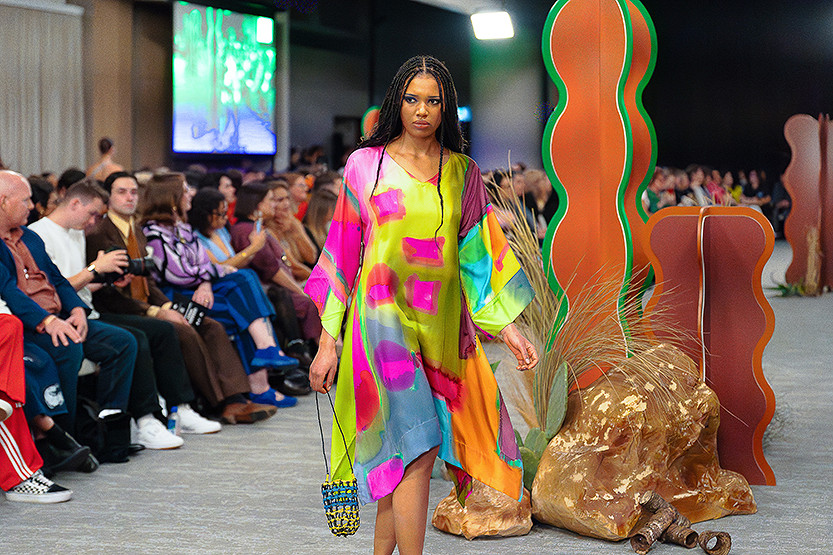
First Nations designers open Melbourne Fashion Week with powerful storytelling on the ganbu marra Runway
Melbourne Fashion Week 2025 opened in spectacular form on October 20, with the ganbu marra Runway at 1 Hotel Melbourne celebrating the creative excellence and cultural storytelling of First Nations designers.
Read More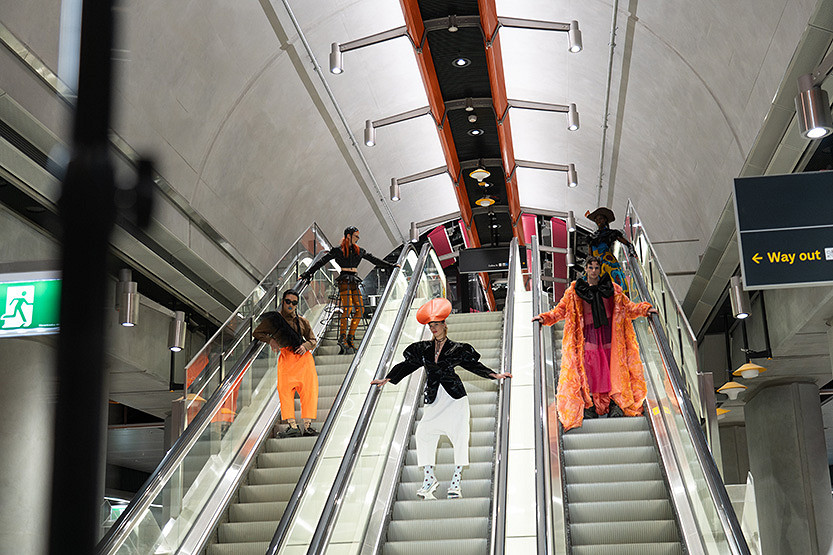
From rails to runway: RMIT students take over Town Hall Station for Melbourne Fashion Week
Melbourne’s newest underground train station has been given a high-fashion makeover, with RMIT fashion students transforming Town Hall Station into a futuristic runway as part of this year’s Melbourne Fashion Week celebrations.
Read More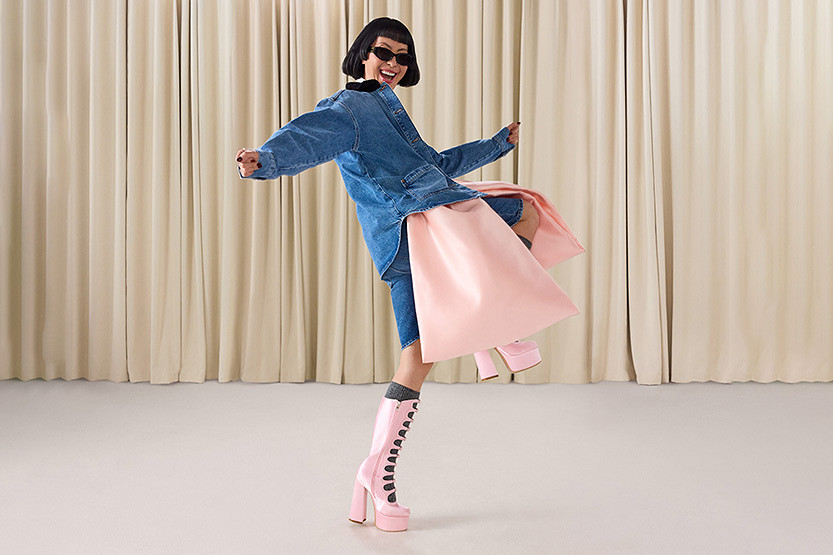
Melbourne Fashion Week 2025: Come As You Are takes over the city
Melbourne is preparing for a week-long celebration of style, creativity and community as Melbourne Fashion Week (M/FW) returns from October 20 to 26.
Read More
QVM food rescue program turns surplus produce into relief for struggling Melburnians
Council backs AI push, framing moment as Melbourne’s “fork in the road”

 Download the Latest Edition