
Barefoot in the park – is covering our green spaces
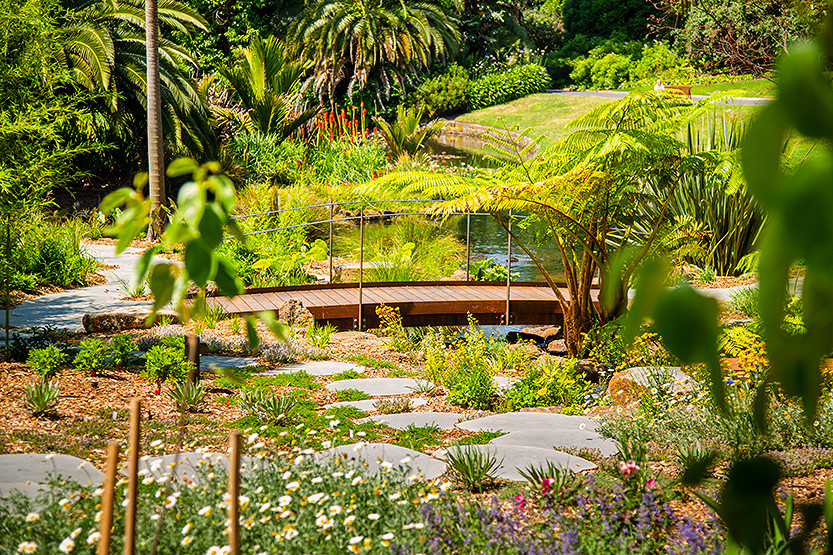
Based on recent data, the population density of Melbourne’s CBD sits between 40,000 and 55,000 people per square kilometre, with CBD-North the highest. That’s a significant head count. Yet just beyond the streets and laneways are acres of natural green habitats breathing fresh air into an otherwise urban landscape.
Melbourne’s CBD also accommodates thousands of workers who commute daily. For them, our parks offer a tranquil escape from the office – a place to relax, reset or socialise away from commercial workspaces. Locals see these spaces as central gathering points, helping build community and offering ideal places for self-reflection. The good news: well-maintained green spaces are linked with lower crime rates. We are blessed to have so many within walking distance of the CBD precinct.
Walking in a park
Walking is one of the healthiest activities you can engage in for your mind, body, brain and spirit. It connects both hemispheres of the brain, helping you get “unstuck”. It releases endorphins, fires up neurotransmitters and brings greater clarity of thought. With a single step you move 200 bones and 600 muscles, push blood through the cardiovascular system and stimulate the nervous system.
For me, walking significantly improves memory. It fights rigidity in the brain and supports long-term cognitive function. Time spent in Melbourne’s green spaces can lower stress by reducing blood pressure, cortisol levels and heart rate, while boosting mood and immunity.
Forest bathing
Shinrin-yoku, the Japanese practice of forest bathing, is the therapeutic act of spending time immersed in nature. While we may not have a dense forest nearby, Fitzroy Gardens is my go-to park and meets all the criteria for “green space immersion”. There are trees, pathways, open lawns and, importantly for me, plenty of pines. I finish my slow meander by sitting on a bench, closing my eyes and inhaling the scent of pine and damp grass.
I purposefully notice colours, the play of light through the trees and shrubs, and connect with nature on many levels – engaging all the senses. This isn’t exercise for me; it’s connection.
A couple of times a week, I stroll down Spring St to the gardens. I sit for a few minutes watching waterfowl gather around the feeding frenzy created by someone tossing seeds. Then I begin my slow walk, taking long deep breaths, lengthening the exhale until my body relaxes. I silence my phone, orient myself and soak in the surroundings – allowing the constant motion of the nearby city to fade into the background.
Health effects of urban living
In the 1980s, health authorities began recognising the negative mental impacts of dense urban environments – sensory overload from traffic, crowds and long hours indoors. Today, Melbourne’s accessible nature spaces counterbalance that stress. Within a short walk from homes and offices, these pockets of clean air offer a peaceful interlude away from trams, buses and car exhausts.
Within 800 metres of Bourke St alone, there are 11 beautifully maintained parks and gardens: Treasury, Flagstaff, Parliament, Fitzroy, Alexandra, Carlton and Queen Victoria, with Kings Domain, Batman Park and City Park close by. Each has a unique personality and purpose – some ideal for an hour of quiet “forest bathing”, others more suited to children’s play and family outings. The City of Melbourne website lists the many options.
We are extraordinarily fortunate to have so much nature at our feet. So off you go – and where possible, walk barefoot in the park.
Next Forum 3000: End-of-Year Christmas Party
Wednesday, December 3, 6pm for a 6.30pm start
Kelvin Club, 14-30 Melbourne Place
Topic: Real estate update plus prizes and refreshments
Note the change of day to Wednesday.
Buy our Journalists a coffee
Support our dedicated journalists with a donation to help us continue delivering high-quality, reliable news

Related Articles
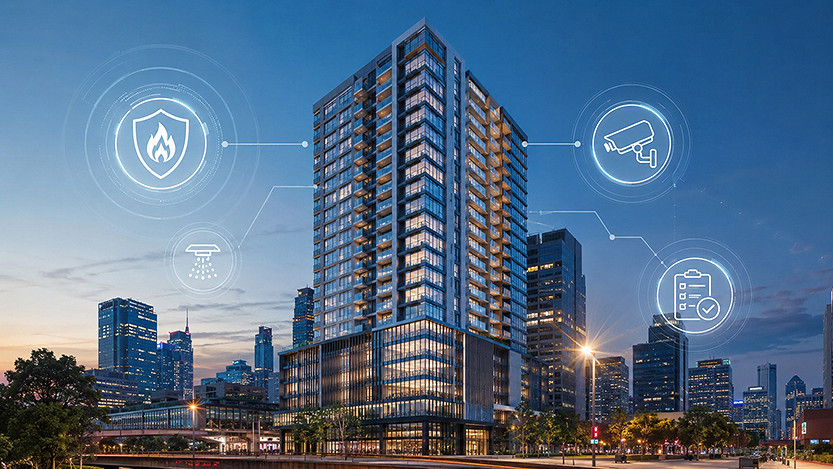
Is your high-rise building safe and secure?
For residents living in Melbourne’s CBD high-rise apartments, the building you call home is far more than four walls and a roof.
Read More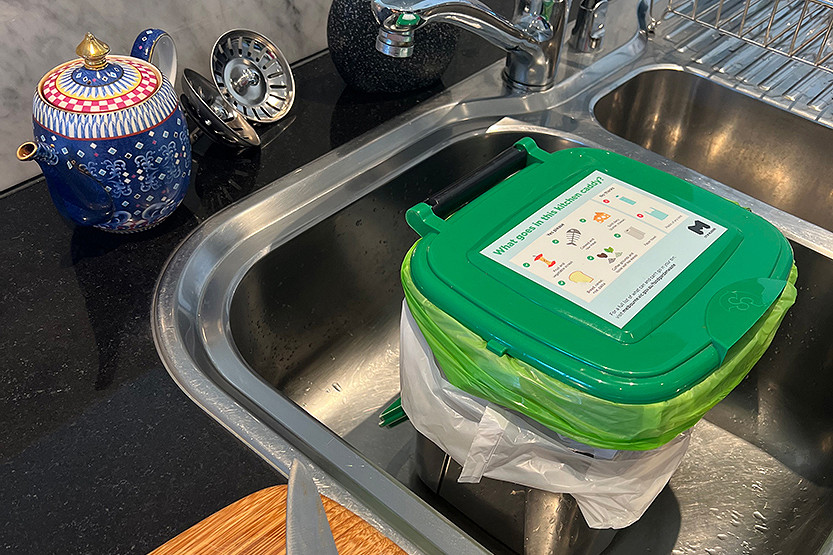
FOGO – for high-rise
CBD residents can now improve their recycling by applying for a FOGO bin from the City of Melbourne. What is the secret of success?
Read More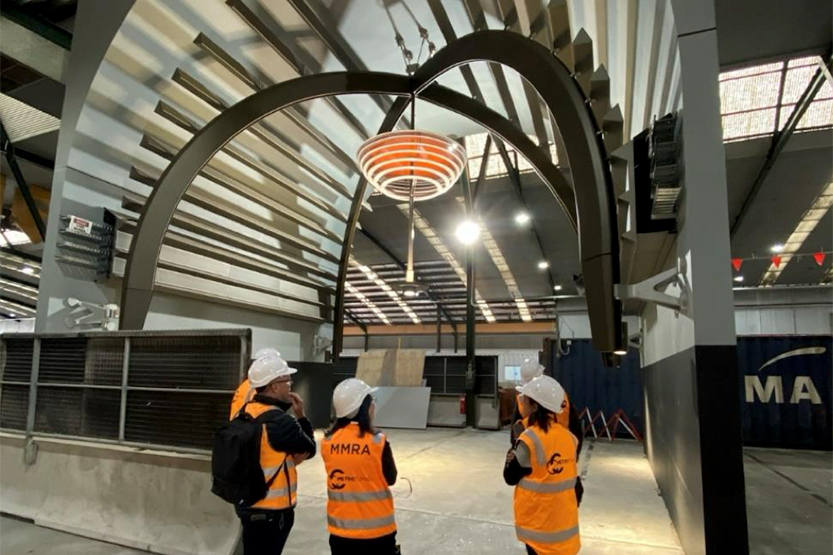
Metro Tunnel – a story to tell
Residents 3000 was there from the start. Every year until the grand opening of the new rail service on November 30, 2025, the Metro Tunnel team presented at our February event.
Read More
QVM food rescue program turns surplus produce into relief for struggling Melburnians
Council backs AI push, framing moment as Melbourne’s “fork in the road”

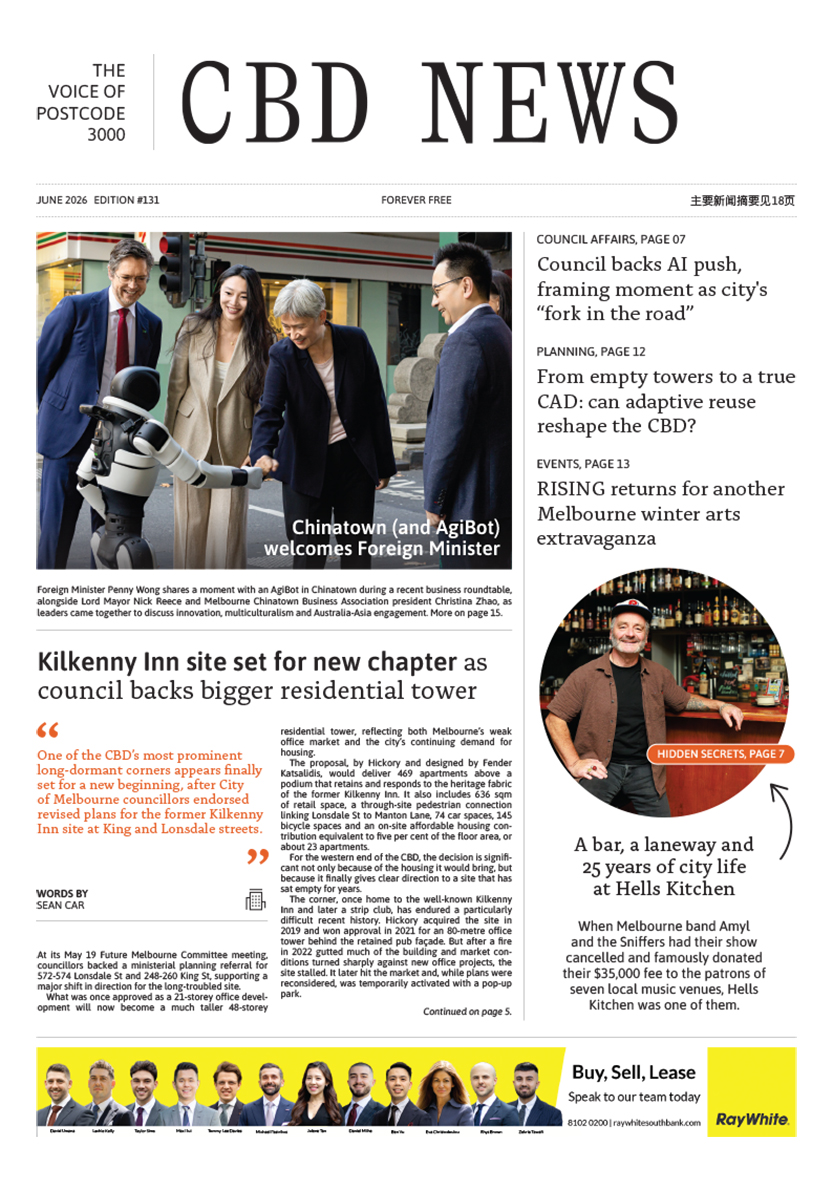 Download the Latest Edition