
Circular economy hub gives new life to food waste at Queen Victoria Market
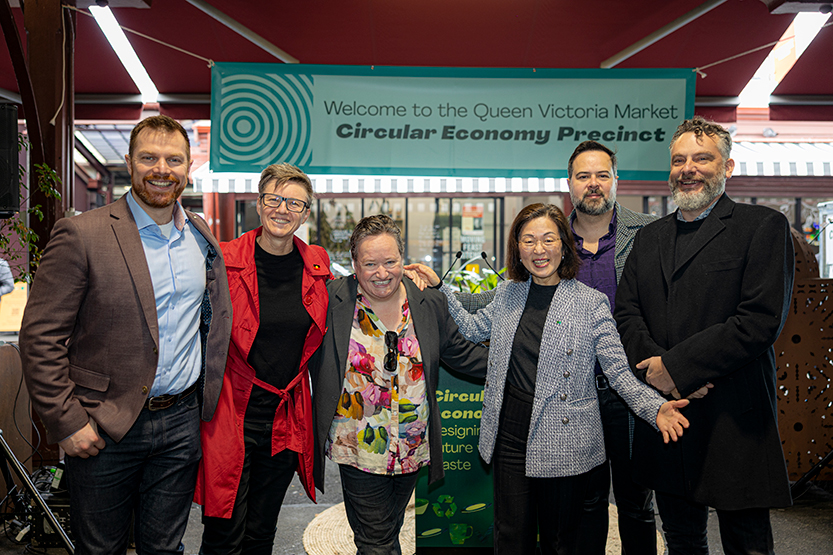


The Queen Victoria Market has long been Melbourne’s beating heart for fresh food and produce. Now, it is also home to a bold new experiment in sustainability, with the launch of the city’s latest Circular Economy Precinct.
Opened on August 8, the precinct is designed to give market leftovers a second life while supporting jobs, social enterprise and community education. A collaboration between the City of Melbourne, local businesses, and social enterprise STREAT, the project aims to showcase how food that might otherwise be wasted can be transformed into something valuable.
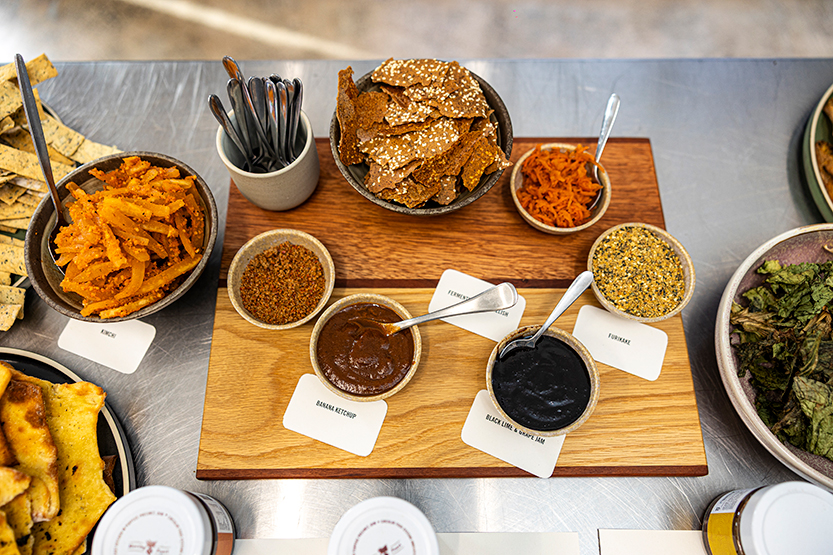
At the heart of the precinct is the Moving Feast Kitchen, which recovers unsold food from traders and turns it into fresh meals and products. These creations are sold next door at the Moving Feast Pantry, alongside ethically sourced goods from local producers. A STREAT café rounds out the offering, creating what Lord Mayor Nick Reece described as “a mini circular economy in action.”
“Melbourne traders are already thinking about ways to reduce waste – because it’s good for the community, good for the environment, and ultimately good for their bottom line,” Cr Reece said.
Each year in Australia, we throw away nearly $37 billion in food. By creating precincts where businesses can collaborate and learn from each other, we’re giving some of that food a second life – and turning waste into value.
The initiative builds on the success of a similar project in Kensington in 2024, which diverted more than 18 tonnes of waste from landfill. At Queen Victoria Market, where more than 800 tonnes of food waste are generated each year, the potential impact is far greater.
Rebecca Scott, co-founder and CEO of STREAT, said the project was about “taste not waste”.
“Social enterprises are passionate about creating goodness for people, places and the planet,” she said. “Right now, the market has more than 800 tonnes of food waste every year, and we’re proud to be ensuring that it remains valued for its nutrition and deliciousness.”
The new precinct also serves as a testing ground for innovation. Three projects will be trialled over the coming months, including a packaging reuse pilot led by B-Alternative to reduce single-use takeaway items, a partnership with Moving Feast Kitchen to provide meals for university students experiencing food insecurity, and a program of events such as cooking classes and repair workshops to engage the wider community.
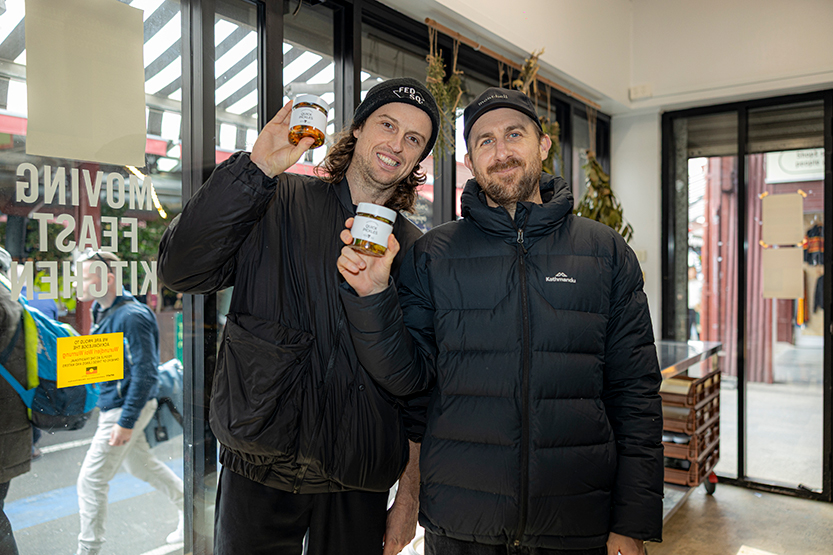
The council’s environment portfolio chair Cr Davydd Griffiths said the city was aiming to divert 90 per cent of waste from landfill.
“This new precinct is a melting pot of ideas and innovation – from turning vegies destined for the bin into nutritious meals, to replacing single-use products with smarter options and running hands-on cooking classes,” he said.
Queen Victoria Market CEO Matt Elliott added that the program complemented the market’s own work to cut waste.
“These projects are critical to test and trial different approaches to best inform how we can potentially scale these initiatives across the whole of the market and gain important feedback from our community,” he said. •
Buy our Journalists a coffee
Support our dedicated journalists with a donation to help us continue delivering high-quality, reliable news


Related Articles
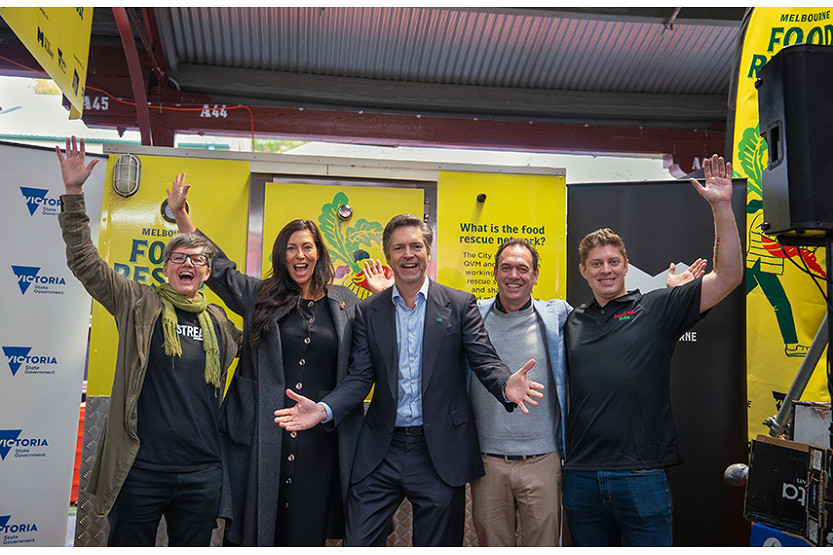
QVM food rescue program turns surplus produce into relief for struggling Melburnians
Thousands of kilograms of surplus fresh food from Queen Victoria Market will now be redirected to people in need under a new food rescue initiative aimed at tackling both waste and rising food insecurity across Melbourne.
Read More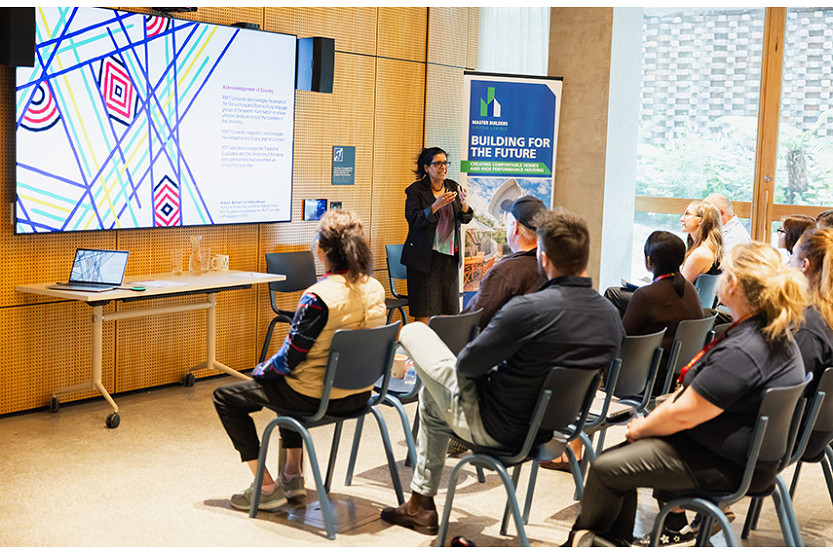
Experts left worried by end of Sustainability Victoria’s “vital work”
The imminent closure of Sustainability Victoria (SV) is causing concern among experts in the sustainability field, who say it is unclear how the agency’s functions will be carried out.
Read More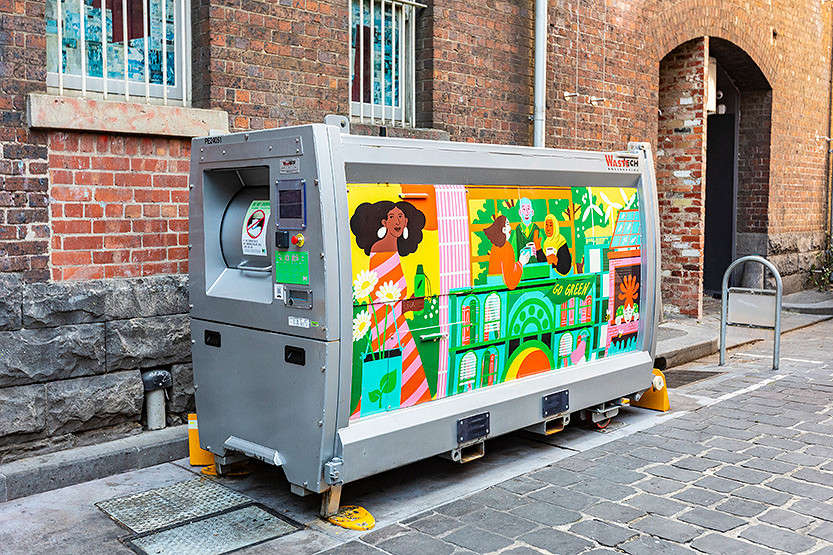
Mini waste compactors prove a big win for Melbourne’s laneways
A world-first waste collection system trialled in some of Melbourne’s smallest laneways is already delivering major improvements to cleanliness, recycling and amenity in the CBD, with the City of Melbourne confirming strong results from its new network of mini garbage compactors.
Read More
Who actually pays Victorians the most for solar

EastEnders to host Lord Mayor and Deputy Lord Mayor

 Download the Latest Edition