
City of Melbourne adopts new Council Plan
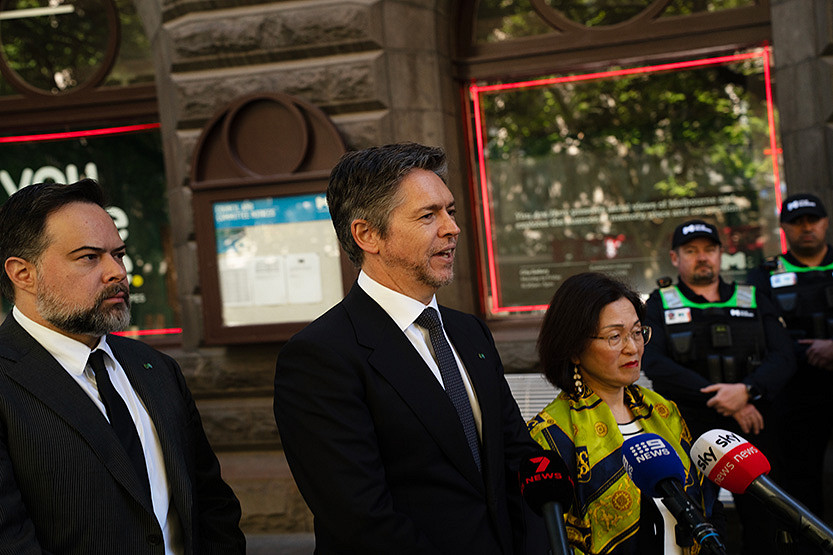

The City of Melbourne has endorsed a major long-term strategy to guide the city’s future, with councillors describing it as one of the most significant decisions of the current council term.
At its October 28 meeting, the council voted to adopt the M2050 Vision and Council Plan 2025–2029, which outline Melbourne’s priorities for the years ahead.
The plan sets out a roadmap for how the city will respond to rapid population growth, climate change and economic challenges, while ensuring Melbourne remains “a liveable, sustainable and prosperous city”.
Lord Mayor Nick Reece described the new council plan as the most “powerful and impactful” body of work councillors would vote on during this term.
The purpose of this council plan is to set a clear direction for the next four years,” he said. “We have listened to the community, and we have acted, delivering what Melburnians have told us they want.
Cr Reece highlighted four key priorities: enhancing community wellbeing and safety, greening the city, supporting business and innovation, and delivering sound governance and financial sustainability.
“This has been a gargantuan undertaking, a journey that began all the way back with the Melbourne 2050 Summit,” he said. “Now is the time to deliver on our shared vision: liveable Melbourne, growing stronger together.”
He thanked councillors, staff and the community for their input, describing the process as “a true partnership between the city and its people”.
“We are here for you – you are the reason we get out of bed every day and come to Town Hall,” he said.
Deputy Lord Mayor Roshena Campbell said the plan would deliver a “more liveable, more prosperous and more vibrant Melbourne”.
Cr Campbell also praised the plan’s focus on lighting up Melbourne’s laneways and heritage buildings, saying it would boost both safety and tourism.
“We know this drives visitation to our city,” she said. “In a city with so many beautiful heritage buildings, I hope we seize the opportunity to showcase them and give people another reason to rediscover Melbourne,” Cr Campbell said.
She also welcomed the plan’s emphasis on retrofitting and repurposing underused buildings, including potential conversions of empty offices into homes, schools and hospitals.
“It just makes sense in a thriving capital city that we use every inch of space efficiently,” she said.
Cr Owen Guest offered cautious support, raising concerns about community engagement and transparency.
“It almost feels like we get views from almost everyone but the people who pay the bills – the ratepayers,” he said. “There’s clearly work to be done in how we connect with Melburnians to get their views.”
Cr Guest said he would continue to advocate for more open decision-making processes.
“Bringing more things into the open – out of closed session and into public view – can only strengthen confidence in what we’re doing,” he said.
Cr Dr Olivia Ball and Cr Davydd Griffiths both voted against the council plan due to concerns over the council’s approach to city safety and plan to introduce a safeguard mechanism to reduce disruption caused by protests.
As reported by CBD News, community health organisations, legal services, and the Homeless Persons’ Union have criticised the security initiatives following reports that council-contracted security guards intimidated people experiencing homelessness.
The council has also committed to “more boots on the ground”, with 11 Community Safety Officers patrolling the city as of November.
“We have international obligations under the treaties that Australia has ratified, and that cascades down to all governments within Australia,” Cr Dr Ball said.
“Respecting human rights means we don’t infringe upon them, protecting human rights means we prevent others from doing so, and promoting human rights means we take active steps to advance them.”
Buy our Journalists a coffee
Support our dedicated journalists with a donation to help us continue delivering high-quality, reliable news


Related Articles
Council backs AI push, framing moment as Melbourne’s “fork in the road”
The City of Melbourne has backed a new push to prepare the city for the workforce disruption and economic opportunities created by generative AI, after councillors supported a motion from Cr Andrew Rowse at the Future Melbourne Committee on May 5.
Read More
ATET legal mess lays bare major questions for the City of Melbourne
The $7 million Supreme Court fight over Docklands floating events space ATET has now reached the point where the City of Melbourne can no longer plausibly present it as just another difficult regulatory dispute.
Read More
CBD budget doubles down on safety, support and a more walkable city
The City of Melbourne’s latest budget makes clear that, for the CBD, safety and street-level confidence remain the council’s central political and civic priority.
Read More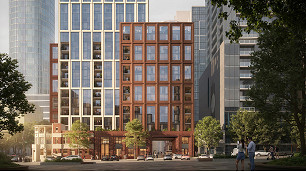
Kilkenny Inn site set for new chapter as council backs bigger residential tower
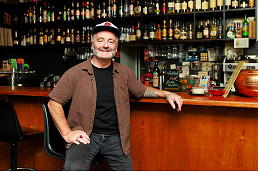
A bar, a laneway and 25 years of city life at Hells Kitchen

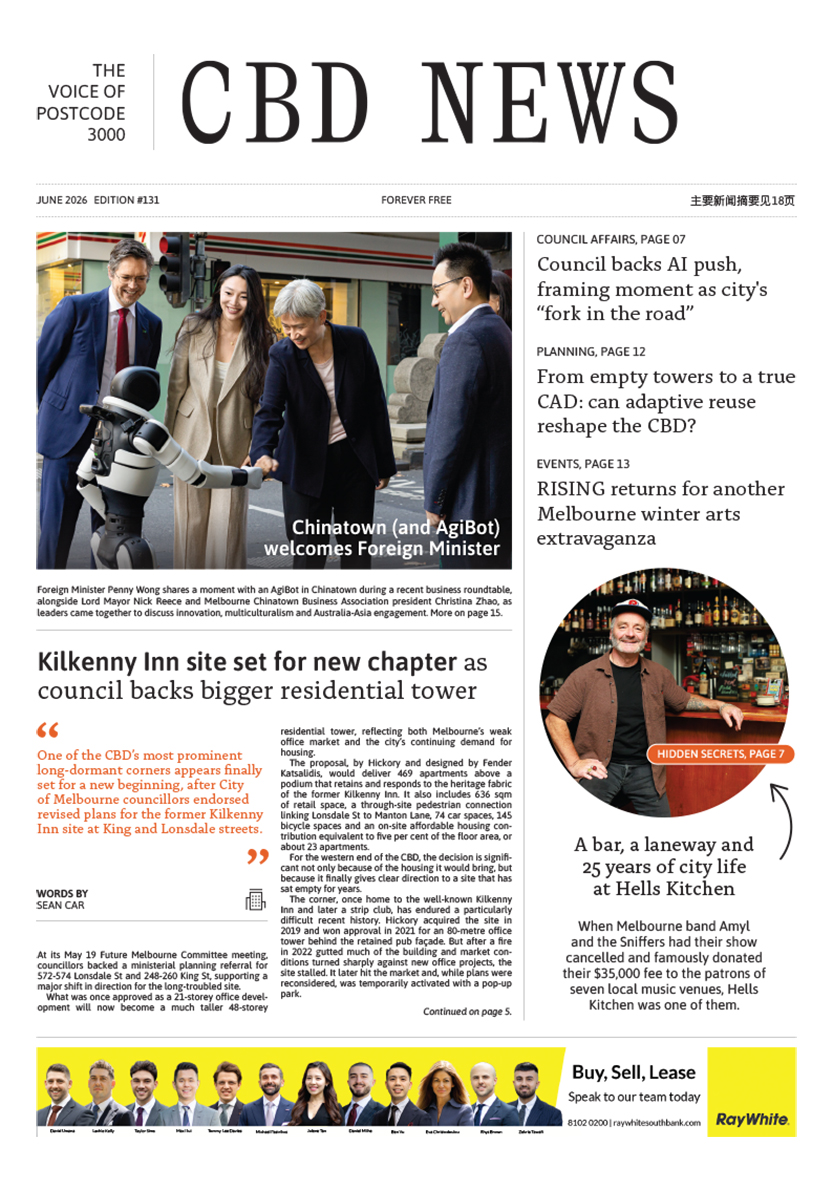 Download the Latest Edition