
City of Melbourne commemorates atomic bombings, but questions of overreach reemerge
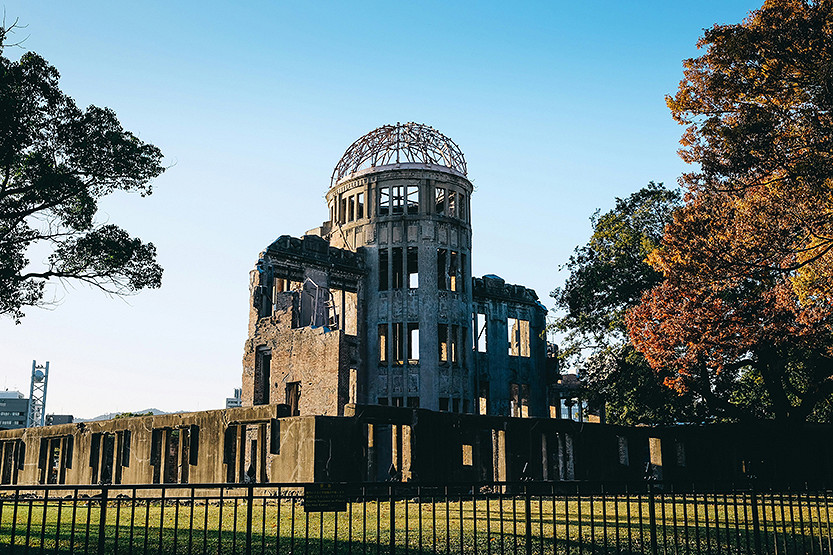
The City of Melbourne has once again found itself the subject of criticism for veering into foreign policy territory, after councillors spent nearly 40 minutes debating nuclear disarmament at the close of their August 5 meeting.
The motion – which commemorated the 80th anniversary of the atomic bombings of Hiroshima and Nagasaki – was brought forward by Greens councillor Dr Olivia Ball and included a request for the Lord Mayor and CEO to write to federal leaders urging Australia to sign the UN Treaty on the Prohibition of Nuclear Weapons.
While introducing the motion, Cr Dr Olivia Ball pointed out that in 2018, the City of Melbourne was the first of nearly 50 local governments worldwide to “express its deep concern at the grave threat nuclear weapons pose.”
“The City of Melbourne welcomed the adoption in 2018 of the treaty on the Prohibition of Nuclear Weapons by the United Nations, and tonight I propose we reiterate our call on our national government to sign and ratify the treaty without further delay,” Cr Dr Ball said.
While the symbolic gesture was widely supported in sentiment, some councillors questioned whether lobbying the federal government on international treaties was the best use of local government time and resources.

Cr Dr Olivia Ball.
Cr Gladys Liu sought to amend the motion by removing the request to write to federal ministers, arguing the issue was outside the council’s remit as it held “no direct relevance to the people of Melbourne.”
“Why don’t we let the federal representatives do what they are elected to do, and we focus 100 per cent on our people in the City of Melbourne,” Cr Liu said.
Cr Guest seconded this amendment, saying the council had made a commitment to “get back to the basics,” and felt “pestering” federal representatives was not achieving this.
“The sentiment is valid, no one is arguing otherwise, but I do feel we should stick to what we need to do here in the City of Melbourne and focus on that wholeheartedly,” Cr Guest said.
Cr Liu’s amendment was ultimately defeated, with several councillors defending the city’s long history of nuclear disarmament advocacy and Melbourne’s role as a “global city”.

Cr Gladys Liu
This included references to Melbourne-born organisation ICAN (International Campaign to Abolish Nuclear Weapons), which received the Nobel Peace Prize in 2017 for its successful advocacy for the UN treaty – a treaty that Australia has still not ratified.
In arguing against Cr Liu’s amendment, Cr Davydd Griffith pointed to many precedents of the council’s “open and deliberate engagements with advocacy to other level of governments” in the past.
Cr Dr Ball, who put forward the initial motion, stressed that she had “no illusions about the proper role of each government, but believes “it is a mistake to think local government shouldn’t have a stance on the actions of other levels of government.”
“We frequently advocate to other levels of government, all the time, and I didn’t hear any objections to that kind of pestering at the time,” Cr Dr Ball said.
However, Cr Rafael Camillo, who also supported Cr Liu’s amendment, argued that continuing to allow federal issues to encroach on council business would contribute to the “division” over the City of Melbourne’s role in the community.
Speaking in support of the motion, the man dubbed by the Lord Mayor as an “honorary councillor” Chris Thrum and prominent disarmament advocate Dr Tillman Ruff described the horror of the 1945 bombings and the enduring threat of nuclear weapons.
Both directly called on the council to advocate for the federal government to ratify the treaty, with Dr Ruff addressing the concern of council overreach by arguing a nuclear detonation would prevent council from serving its residents, justifying its consideration on a local government level.
“The first responsibility of every level of government is to protect its citizens,” he said, adding “the council is responsible for many services that would be impossible following nuclear detonation.”
In the end, the motion passed, however Cr Guest abstained from the final vote.
The debate echoes last year’s controversial four-hour standoff at council
over the war in Gaza, where hundreds rallied outside Town Hall as councillors debated foreign affairs well into the night.
While Melbourne rightly embraces its role as a global and multicultural city, these episodes continue to raise important questions about what issues local government should spend its time and resources debating – and how best to exercise that influence in ways that genuinely serve its ratepayers.
Buy our Journalists a coffee
Support our dedicated journalists with a donation to help us continue delivering high-quality, reliable news


Related Articles
Council backs AI push, framing moment as Melbourne’s “fork in the road”
The City of Melbourne has backed a new push to prepare the city for the workforce disruption and economic opportunities created by generative AI, after councillors supported a motion from Cr Andrew Rowse at the Future Melbourne Committee on May 5.
Read More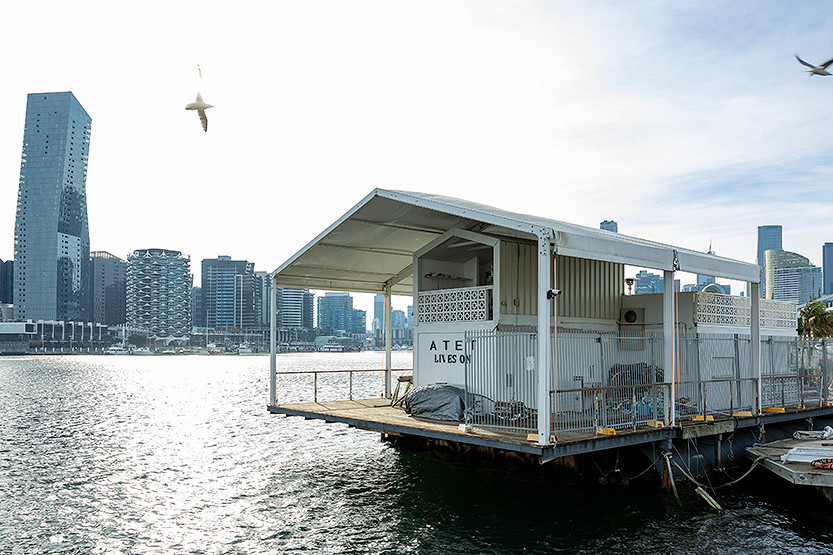
ATET legal mess lays bare major questions for the City of Melbourne
The $7 million Supreme Court fight over Docklands floating events space ATET has now reached the point where the City of Melbourne can no longer plausibly present it as just another difficult regulatory dispute.
Read More
CBD budget doubles down on safety, support and a more walkable city
The City of Melbourne’s latest budget makes clear that, for the CBD, safety and street-level confidence remain the council’s central political and civic priority.
Read More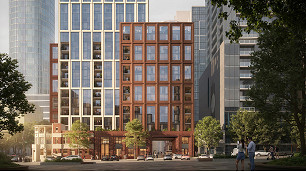
Kilkenny Inn site set for new chapter as council backs bigger residential tower
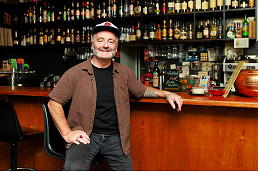
A bar, a laneway and 25 years of city life at Hells Kitchen

 Download the Latest Edition