
Cohealth can no longer outrun the questions
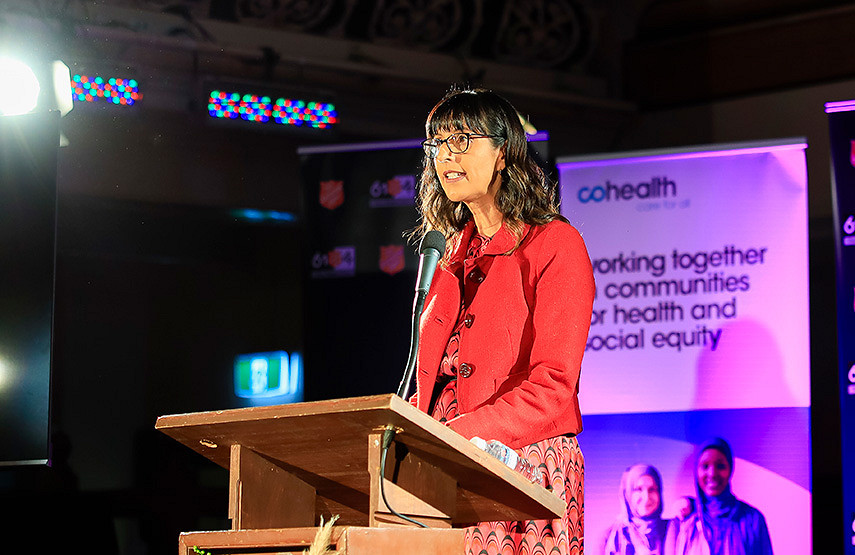

The immediate crisis around cohealth’s inner-city clinics may have been delayed by another $1.5 million in Commonwealth funding, but the broader crisis facing the organisation is only deepening.
If anything, the latest funding announcement has sharpened the central contradiction at the heart of the saga. Governments have now effectively said cohealth can continue operating its GP clinics in Collingwood, Fitzroy and Kensington, but only on the basis that significant changes are made to its governance, management and service model. Yet the public is still being asked to trust that reform process without being told, in any meaningful detail, what went so badly wrong in the first place.
That position looks increasingly untenable.
For months, cohealth’s public line has been that its problems stemmed primarily from Medicare. That was the organisation’s case when it first announced plans to shut the clinics last year: that it was “funded for standard care” but delivering “extraordinary need”, and that the Medicare model simply did not support the kind of long, complex, multidisciplinary care its patients required.
There is truth in that broader structural argument. Community health providers across the country have long pointed to the mismatch between Medicare item numbers and the realities of caring for highly vulnerable patients.
But here is where the logic begins to unravel.
If the Commonwealth and state governments have now funded cohealth for another 12 months while demanding internal reform, then they are clearly operating on the assumption that cohealth’s problems are not solely external. They must believe there are things the organisation itself can do, and must do, to fix them. Otherwise the extension makes little sense.

Another burning issue relates to governance.
It is already public that the independent review by Dr Stephen Duckett found the need for changes to cohealth’s governance, management and service delivery. It is also public that cohealth has resisted releasing the full report, with only a public-facing summary apparently contemplated. At the same time, Freedom of Information deadlines are now looming, and community advocates have made it clear they are not going away.
That creates a very difficult choice for cohealth. The more it seeks to redact, the more it will look like it has something serious to hide. The less it redacts, the more damaging the picture may become. Either way, the strategy of withholding the detail is becoming harder to sustain.
CBD News understands that the extent of governance and financial failures uncovered during the review were significant.
And there are already signs that the organisation’s attempt to contain the fallout is fraying.
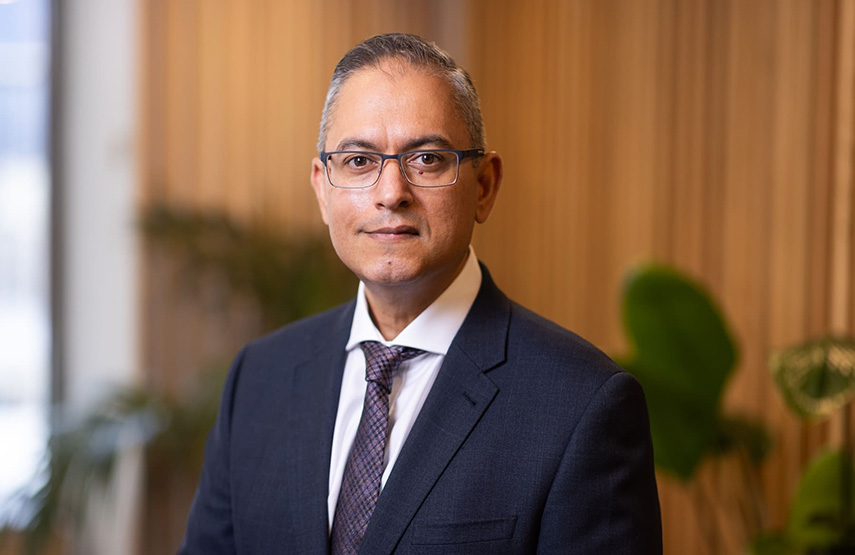
New board chair Sam Sondhi.
The departure of now former board chair Kate MacRae, who was only appointed earlier this year, remains one of the biggest unanswered questions. Publicly, outgoing chief executive Nicole Bartholomeusz told ABC Radio that the separation was cordial and unrelated to the review. But that version is increasingly difficult to reconcile with what multiple sources are saying privately: that the chair came in as a cleanskin, recognised the scale of the mess, pushed for a more honest response, and left when that course was not embraced.
If that account is even broadly accurate, it speaks volumes.
The real danger for cohealth now is not just what is in the report, but the impression created by trying to manage around it. The community has already mobilised strongly. Patients, staff and advocates are not simply asking for reassurance. They are asking to see the evidence.
In reiterating calls for the report to be released and for the cohealth board to step down, Save Community Health said in a media release on May 19: “The cohealth board and executive have lost our trust, they have not been upfront or honest, instead they have forged on with their plan to dismantle and close services despite the review and additional funding.”
That is why this issue is unlikely to dissipate. It is not just about funding a handful of clinics for another year. It is about whether an organisation entrusted with caring for some of Melbourne’s most vulnerable people can continue to ask for public sympathy while refusing full public accountability.
Cohealth may still hope that a summary report and some carefully managed reform language will buy it time. But the longer the full findings are delayed, the more the scrutiny will intensify.
And at some point soon, the question will no longer be whether the report is released, but how much more damage is done by having tried to hold it back.
Buy our Journalists a coffee
Support our dedicated journalists with a donation to help us continue delivering high-quality, reliable news



QVM food rescue program turns surplus produce into relief for struggling Melburnians

Council backs AI push, framing moment as Melbourne’s “fork in the road”

 Download the Latest Edition