
Collins Street Precinct in Melbourne-first BID pilot as council backs new funding model
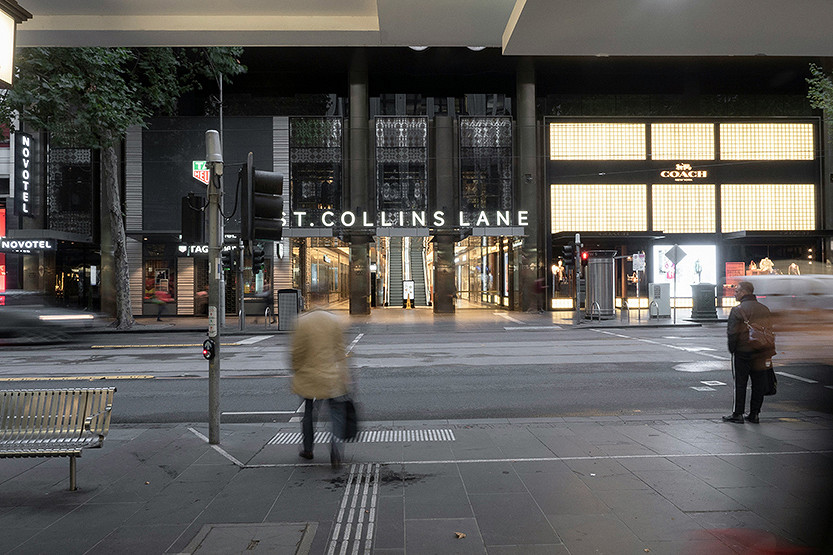

A Melbourne-first trial of a new business-led funding model has been approved by the City of Melbourne, with the Collins Street Precinct emerging as one of the clearest early test cases for how the concept could work in the central city.
At its March 17 Future Melbourne Committee meeting, councillors unanimously endorsed voluntary co-investment pilots in the Collins Street and Docklands precincts as a first step towards establishing formal Business Improvement Districts, or BIDs, in Melbourne.
While the pilots will share a common framework, the Collins Street Precinct appears particularly well placed to benefit from the model given the strength, profile and concentration of major businesses, property owners and institutional stakeholders already active along the corridor.
In simple terms, a BID is a way for businesses and landlords within a defined area to collectively fund improvements to their precinct, above and beyond what a council normally provides. Internationally, BID-style models have been used to fund things such as streetscape upgrades, lighting, cleaning, marketing, safety initiatives and precinct activations.
Under Melbourne’s proposed approach, nothing compulsory is being introduced yet. Instead, the council will spend the next year working with Collins Street Precinct and the Docklands Chamber of Commerce on a voluntary pilot basis to test what kinds of projects businesses would support, how contributions might work and whether there is enough backing for a future special rate scheme.
The report adopted by councillors noted that both Collins Street Precinct and Docklands had already shown an appetite to explore such a scheme, following engagement with the two precinct groups. It said the pilots would provide a “low risk” and practical way to test the concept before any move to a formal BID structure.
For Collins St, the idea has obvious appeal.
The precinct remains one of Melbourne’s most prestigious commercial addresses and is already home to a well-established business association, major landlords, luxury retail, hospitality venues and office towers. That kind of concentrated economic weight is precisely the sort of environment where BIDs have historically flourished overseas.
Collins Street Precinct director Luke Harris said there were clear opportunities for the model to support improvements in areas such as destination marketing, lighting, streetscape upgrades and safety.
We have observed the success of BIDs globally in different parts of the world and how they enable the rejuvenation and growth of an area through private-public partnerships, he said.
“There are some best-in-class examples in the UK and the US and we look forward to putting Melbourne on the global BID map.”
The council report points to major international examples such as New York’s Times Square Alliance and London’s New West End Company, both of which have used BID models to drive significant investment, stronger marketing and public realm upgrades in high-profile city precincts. It notes that BIDs are now a globally proven model for structured collaboration between business and government, funded primarily by property and business owners and focused on return on investment.
Speaking at the meeting, Lord Mayor Nick Reece said the proposal could help Melbourne join global cities like New York, London and Singapore in using a proven model to improve key precincts.
“Led by business, for business – this Melbourne-first proposal could see us join global cities like New York, London and Singapore using this proven model,” he said.
Cr Reece said the city wanted to “breathe new life into our high streets and business precincts”, with the voluntary pilot allowing local businesses to pool resources and deliver improvements that attract visitors, boost trade and create more vibrant places.
The council’s city economy and business portfolio lead Cr Kevin Louey said businesses themselves had driven the proposal.
“Businesses want to explore this model – that’s why we’re proposing pilots in Docklands and Collins St. This model has transformed cities worldwide, now it’s Melbourne’s turn,” he said.
At the committee meeting, officers said all 10 of Melbourne’s business precinct associations had been approached, but Collins St and Docklands were the two that put their hands up as ready and willing to take part.
The report makes it clear that successful BIDs must be business-led rather than council-imposed, and that Melbourne’s relatively fragmented business community means the council needs to take a proactive role in helping shape the local model.
Under the proposed timeline, structured workshops and precinct engagement will take place between March and June this year, followed by co-investment trials from July 2026 to April 2027. The council is due to receive a further report in May 2027 on the outcomes and the next steps toward any formal BID.
Importantly, any projects funded through the pilots are intended to be additional to standard council services, not a replacement for them. The report suggests likely focus areas could include public realm enhancements, destination marketing, promotions, events and activations.
For Collins St, that could open the door to a new layer of coordinated investment in one of the city’s most important business spines at a time when the CBD is still working to rebuild momentum after the pandemic.
Any future formal BID would likely require a ballot process and, if it proceeded under a special rate scheme, compliance with the Local Government Act. Council officers also acknowledged that further education and deeper engagement with the wider business community would be needed before any final model could be settled. •
Buy our Journalists a coffee
Support our dedicated journalists with a donation to help us continue delivering high-quality, reliable news


Related Articles
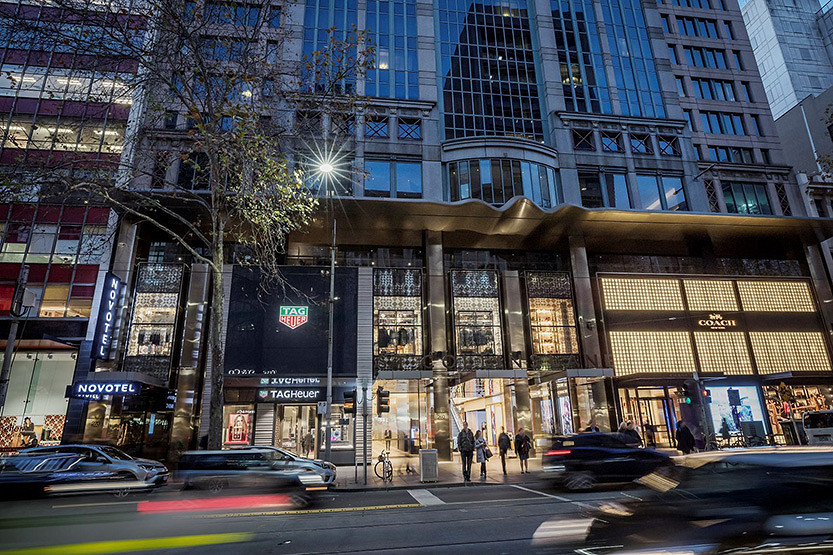
Collins St launches Australia-first precinct valet service
Visitors to Collins St will soon be able to hand over their car keys and spend the day in the city under what is being billed as Australia’s first precinct-wide valet parking service.
Read More
Who actually pays Victorians the most for solar

EastEnders to host Lord Mayor and Deputy Lord Mayor

 Download the Latest Edition