
Council slams congestion levy hike as “wrong tax at the wrong time”
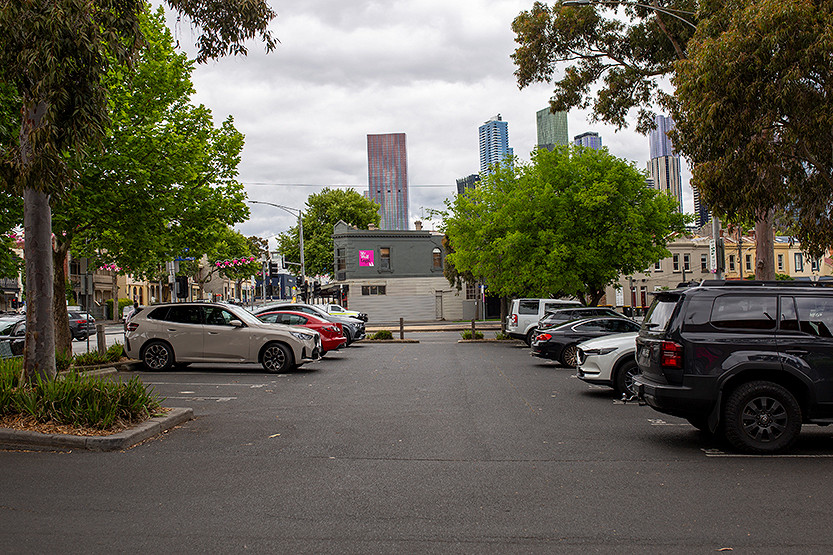

A divided City of Melbourne council has condemned the state government’s sharp increase to the congestion levy, warning it will deter city visitors and stall the CBD’s fragile recovery, even as the legislation cleared Parliament on November 18.
At their November 11 Future Melbourne Committee meeting, councillors voted nine to two to back a motion from Deputy Lord Mayor Roshena Campbell opposing the 73 per cent increase to the levy from 2026 and its expansion to more inner-city areas. The motion also directed Lord Mayor Nick Reece to write to Premier Jacinta Allan and Treasurer Jaclyn Symes asking them to reconsider the changes.
The levy, a tax on off-street parking spaces, will add up to $1386 a year per bay, with council officers estimating a 19 per cent rise in weekday parking fees at City of Melbourne-owned car parks once costs are passed on.
The motion added that the levy would also likely result in increased parking fees in privately owned car parks.
Cr Campbell told the meeting the timing of the rise was “crippling” for traders, workers and visitors.
“Our city has withstood the economic devastation from COVID. We withstood two years of protest. We withstood a push to enshrine working from home,” she said.
I do not think the city should also have to take a 73 per cent tax on people who want to come here, who want to be part of our economic recovery.
She said the measure would hit families coming in by car during the Christmas period and disadvantage the CBD against suburban shopping centres where parking is often free.
Cr Mark Scott, who seconded the motion, called the levy “a blunt Allen government revenue grab that will only undermine Melbourne’s economic recovery”.
“A massive 73 per cent increase in the congestion levy will make parking in the city even more expensive, discouraging suburban visitors, deterring regional Victorians and further penalising small business owners who need access for deliveries, staff and customers,” he said.
Other councillors lined up to criticise the tax. Cr Owen Guest said the state’s debt problems “shouldn’t be up to the Melbourne City Council or any other council to try and meet that shortfall”, while Cr Gladys Liu argued it would worsen cost-of-living pressures and unfairly tarnish the council over high parking fees.
Cr Andrew Rowse questioned the design of the measure, describing it as “effectively a tax on parking, not a levy on congestion”.
“All the other examples where this has worked well toll cars as they enter into an area,” he said.
“In Melbourne it impacts those most who have no other option than to pay for parking, such as shift workers and people travelling from parts of Melbourne who do not have access to public transport.”
However, the motion drew strong opposition from councillors Dr Olivia Ball and Davydd Griffiths, who argued it conflicted with the council’s own Transport Strategy 2030 and expert advice from Infrastructure Victoria.
Cr Dr Ball said the congestion levy had been found to be successful and that independent bodies had twice recommended increasing and expanding it.
“Bringing more cars into Melbourne is not how we will revitalise the inner city,” she said.
“We do this by reducing, not increasing, congestion and making Melbourne a more pleasant, attractive, easy place to move around, with less traffic noise and air pollution, and a safer place for vulnerable road users.”
She also warned that publicly opposing the levy could weaken the council’s hand in seeking a greater share of the revenue, noting the City of Melbourne’s fixed $7 million annual allocation had not risen in 20 years.
Cr Griffiths said he agreed there should be more state investment in areas like Docklands and Fishermans Bend, but pointed to the new Metro Tunnel and tram upgrades as examples of how the levy helps fund public transport.
“To suggest that all of this is about taking from the City of Melbourne and giving nothing back is inaccurate,” he said.
Public speakers reflected the split. Climate and transport advocate Aaron Moon urged councillors to reject the motion, arguing congestion charges overseas had reduced traffic and funded better public transport.
“Walking away from this policy means walking away from urgent climate action,” he said.
But local resident and regular submitter Chris Thrum backed Cr Campbell’s stance, describing the rise as unnecessary and calling instead for measures such as reviving Melbourne Music Week to boost visitation.
Cr Campbell said much had changed since the levy and transport strategy were first devised.
“They say in politics, timing is everything, and the time is not right to cripple Melbourne traders, Melbourne visitors, Melbourne workers with a 73 per cent tax increase,” she said.
Despite council’s objections, the State Taxation Further Amendment Bill 2025 passed the Upper House 21 votes to 16 on November 18. The Property Council, which campaigned strongly against the levy, said the increase and expansion from January 1, 2026, would lead to car park closures and “considerable price hikes”, particularly affecting car-dependent outer suburban workers.
An amendment from the Greens will see $15 million a year of the extra revenue directed back to inner city councils for active transport projects, via new agreements with the state.
For the City of Melbourne, the debate has again exposed the tension between climate and transport goals and its push to lure more people back into the CBD, with both sides claiming to be defending the city’s long-term future. •
Buy our Journalists a coffee
Support our dedicated journalists with a donation to help us continue delivering high-quality, reliable news


Related Articles
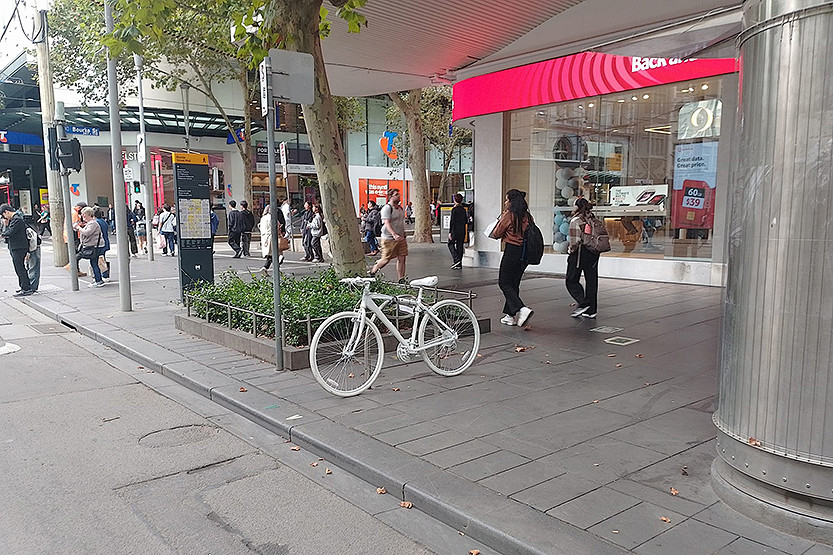
Ghost bikes become flashpoint between council and cycling advocates
Decommissioned, white-painted “ghost bikes” left at sites where riders have died are emerging as a contested issue between the City of Melbourne and cycling groups, which claim they are memorials and a reminder of the need for better bike lanes.
Read More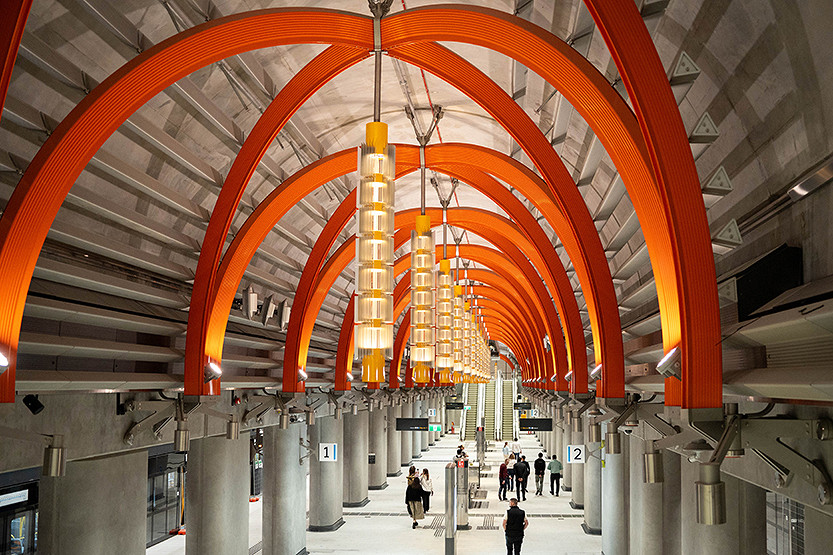
Melbourne prepares to step into a new era as Metro Tunnel opens early
After years of construction, detours and disruption, Melbourne’s long-awaited Metro Tunnel will finally open its doors on Sunday, November 30 – a full year ahead of schedule.
Read More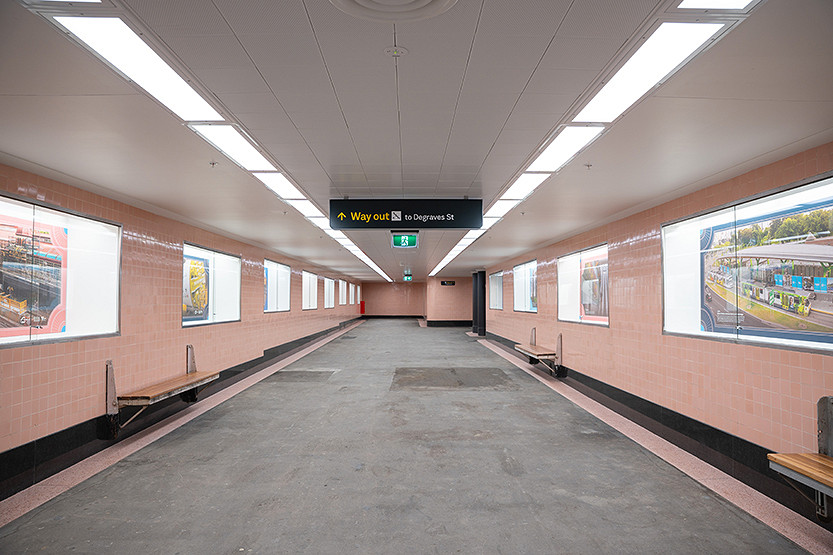
Campbell Arcade reopens after years-long Metro Tunnel closure
Melbourne’s iconic Campbell Arcade has reopened to the public, bringing new life to the beloved underground thoroughfare after more than three years of closure for Metro Tunnel construction works.
Read More
Before we put another tower on Melbourne’s front door, we should ask who gets to decide

New chapter for State Library Victoria

 Download the Latest Edition