
Experts left worried by end of Sustainability Victoria’s “vital work”
The imminent closure of Sustainability Victoria (SV) is causing concern among experts in the sustainability field, who say it is unclear how the agency’s functions will be carried out.
The CBD-based organisation, tasked with accelerating “Victoria’s transition to a circular, climate-resilient clean economy”, is being wound down and will close on June 30 after it was identified in Helen Silver’s review of the Victorian public service as one of the entities having “substantial duplication with the responsibilities of departments” and thus being “arguably … no longer required”.
SV marked its 20th anniversary last year and “the successful delivery” of the first year of its 2024–2027 strategic plan before the government’s December announcement that it would be axed.
The agency has been working to implement the Victorian Government’s greenhouse gas reduction targets and policy of diverting 80 per cent of waste from landfill by 2030 by “shifting away from the linear ‘take-make‑waste’ [economic] model”.
According to its most recent annual report, in the 2024-25 financial year SV provided support to 134 circular economy projects ranging from local repair cafes to industrial-scale glass and plastic recycling facilities, prioritised an initiative focusing on durable and recyclable design and manufacturing, and ran Detox Your Home and ResourceSmart Schools programs that were both practical and educational.
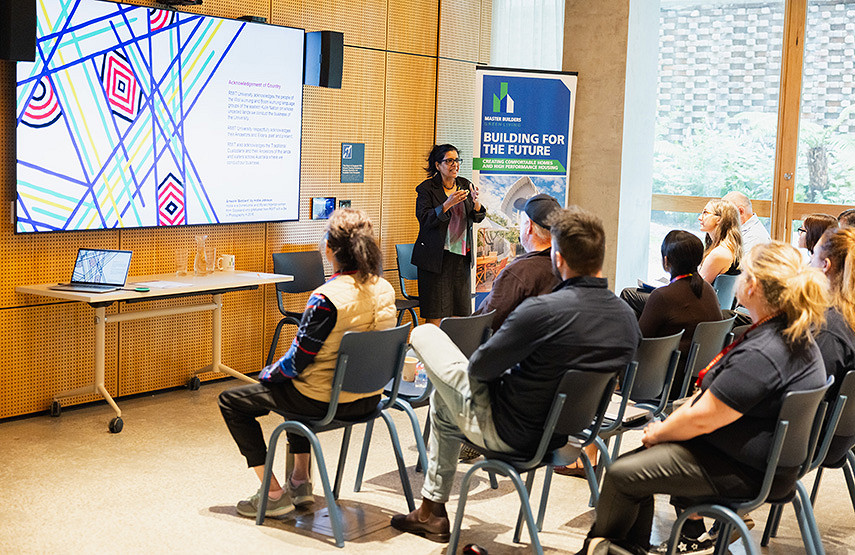
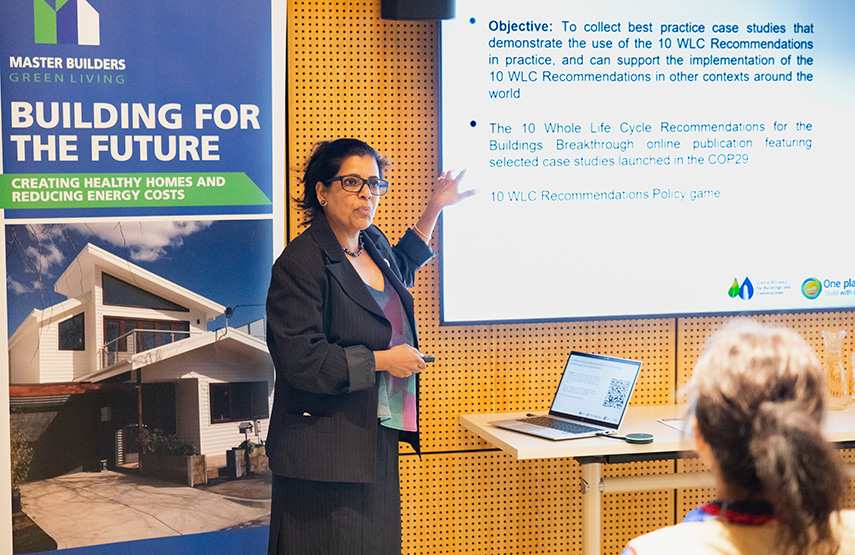
RMIT sustainability and built environment professor Dr Usha Iyer-Raniga, a leading researcher on “circularity” in the built environment, said that particularly through its Circular Economy Business Innovation Centre (CEBIC), the agency had “done a really good job helping different sectors, including building and construction, textiles and food” to adapt.
“I don't know who is going to take over the responsibility of all that work,” the academic, who was speaking at an April 30 Master Builders’ Association of Victoria women in sustainable construction event in East Melbourne, told CBD News.
I feel that this is such a such a loss for Victorians.
With the new government model supposed to be in place by July 1, Dr Iyer-Raniga and others working in the area were still waiting to see what would happen, she said.
“At least at this point in time, I feel that all that energy that has gone into the wonderful work that CEBIC did – they had grants, they had case studies on their website, they used to run communities of practice – all of that has just fallen off the edge of a cliff, and we don't know where this is going to end up.
“It's a shame. All these learnings look to have just gone to nought.”
Another sustainability expert, who couldn’t be named because they were not authorised to talk to the media, said SV had been doing “vital work” which had accelerated recycling and circular economy in the state and shown the government was serious about doing so.
The agency was also valued by industry, they said.
“And the fact that it’s been abolished raises real questions about whether Victoria will be able to continue being a sustainability leader and improving our recycling and sustainability services.”
While the Silver report found that SV’s responsibilities “overlapped” with those of the Department of Environment, Energy and Climate Action, as well as the EPA and Recycling Victoria, according to the expert, SV’s role with regard to circular economy was not one other agencies shared.
SV had been “broadening its waste programs beyond just recycling so that it’s actually about avoiding waste in the first place, and that’s not really something that Recycling Victoria is focused on,” they said.
The government has said $27 million of an overall projected figure of $4 billion would be saved by scrapping 29 public entities, including Sustainability Victoria.
Buy our Journalists a coffee
Support our dedicated journalists with a donation to help us continue delivering high-quality, reliable news


Related Articles
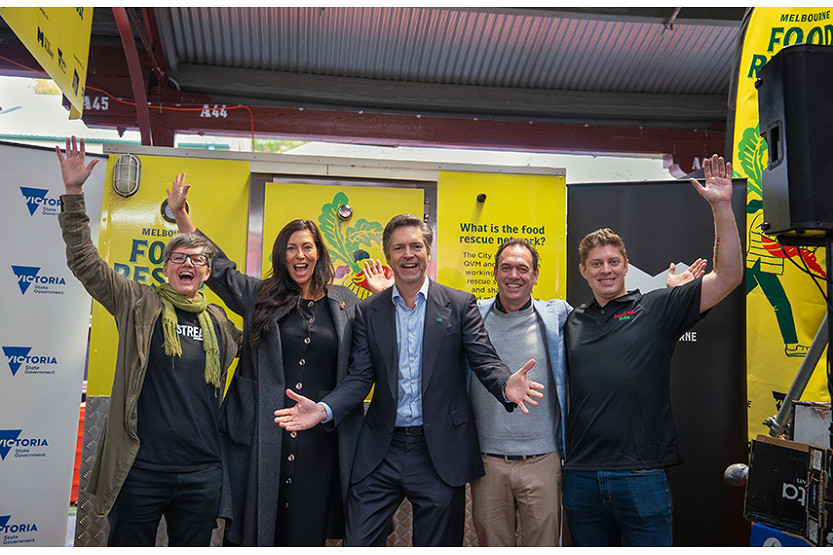
QVM food rescue program turns surplus produce into relief for struggling Melburnians
Thousands of kilograms of surplus fresh food from Queen Victoria Market will now be redirected to people in need under a new food rescue initiative aimed at tackling both waste and rising food insecurity across Melbourne.
Read More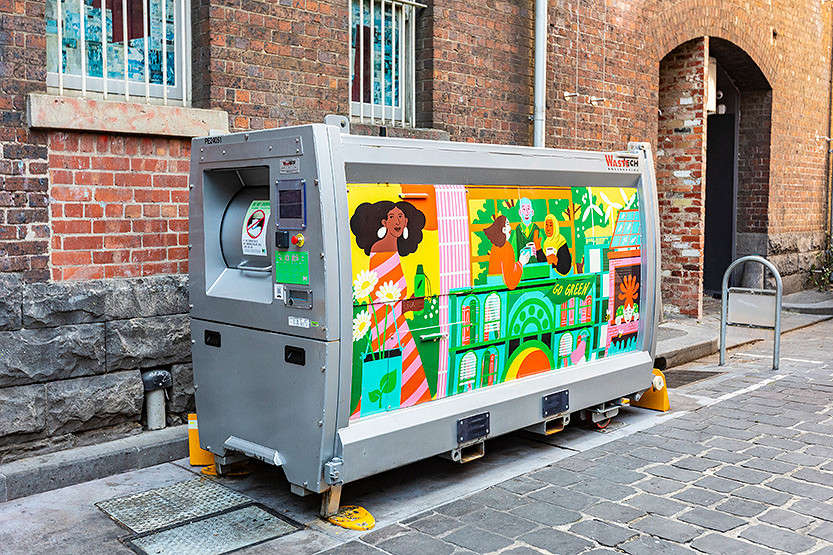
Mini waste compactors prove a big win for Melbourne’s laneways
A world-first waste collection system trialled in some of Melbourne’s smallest laneways is already delivering major improvements to cleanliness, recycling and amenity in the CBD, with the City of Melbourne confirming strong results from its new network of mini garbage compactors.
Read More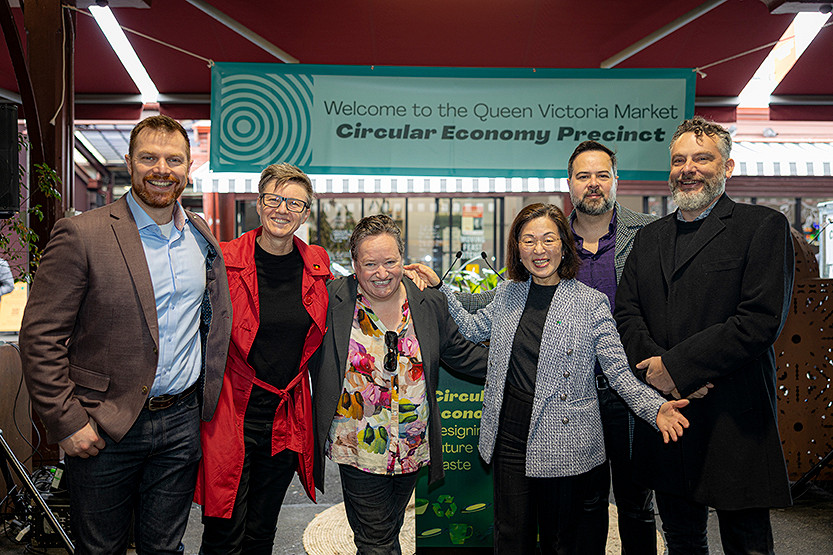
Circular economy hub gives new life to food waste at Queen Victoria Market
The Queen Victoria Market has long been Melbourne’s beating heart for fresh food and produce. Now, it is also home to a bold new experiment in sustainability, with the launch of the city’s latest Circular Economy Precinct.
Read More
QVM food rescue program turns surplus produce into relief for struggling Melburnians

Council backs AI push, framing moment as Melbourne’s “fork in the road”

 Download the Latest Edition