
Frontier wars memorial in the heart of the city
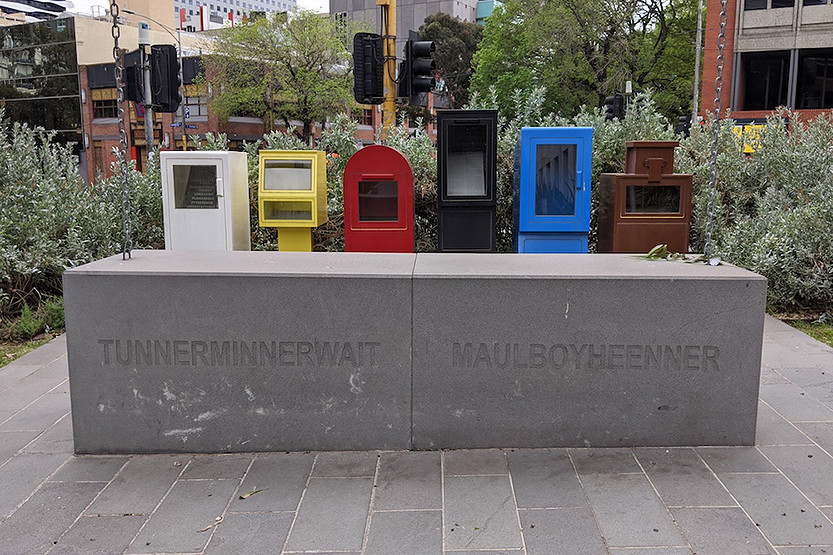
Tucked into a tiny pocket of native trees, shrubs and plantings on one of Melbourne’s busiest corners is a surprising monument.
Its colourful, varied shapes and forms suggest a playful contemporary art piece.
But the location, opposite and connected via bluestone pathway to the frighteningly grim main gate of Old Melbourne Gaol, signals something else.
The installation, on a rise once known as Gallows Hill, in fact, marks the place where the first two people to be executed in Melbourne were hung.
Tasmanian Aboriginal men Tunnerminnerwait – in early records known as “Jack” – and Maulboyheener – also called “Robert”, “Bob”, “Timmy”, “Jimmy” and “Timme” – were hung here in 1842 for having fatally shot two whalers in the Western Port area.
The pair had been brought to Melbourne in 1839 by “Aboriginal Protector” George Augustus Robinson as part of a group of 15 survivors of the three-decade-long roundup, killings and expulsion of Aboriginal people from Tasmania’s main island.
Two years later a party of five of them had absconded from Robinson’s supervision and travelled east on a journey that saw them raid settler huts, shoot the whalers at Cape Paterson and evade capture over several weeks.
Their motives were unclear but could have included payback for the killing of a relative and the rape and mistreatment of Aboriginal women.
The attacks happened during an intense period of violence in the history of Port Phillip.
As one historian has noted, after John Batman’s Tasmanian group began to take over land there in 1835, “Port Phillip had become such a terrible place for Aborigines that within 15 years of the founding of Melbourne almost all of them were dead”.
At Tunnerminnerwait and Maulboyheener’s trial, where the accused were not allowed to give evidence, their counsel, future chief justice Redmond Barry cited “the Black War” in Tasmania as a motivation for the shootings and raids they carried out.
Three women who were with them – well-known Tasmanian Truganini; Planobeena, the sister of resistance fighter Eumarrah, and Pyterruner – were tried and acquitted as accessories to the murders.
The jury found Tunnerminnerwait and Maulboyheener guilty but urged mercy on the grounds of their previous good behaviour and unusual circumstances.
The recommendation was ignored, with Judge Willis, Superintendent Charles La Trobe and the Governor in Sydney, Sir George Gipps, all agreeing the men should be executed.
In a play on the fact that the January 20, 1842 hanging was a public event with a reportedly festive atmosphere that was attended by a quarter of the colony’s population, the “commemorative marker” for the two men is styled as a “swing” attached to a frame.
At the same time its huge bluestone blocks engraved with their names evoke their coffins, and the swing’s chains the ropes they were hung with.
It is surrounded with indigenous food and medicine plantings and a reproduction, Victorian-style suburban fence.
A row of newspaper stands, painted in the colours of the Aboriginal and Australian flags, contain information, including newspaper articles, about the events and other colonial histories.
The Standing by Tunnerminnerwait and Maulboyheenner memorial by Indigenous artists Brook Andrew and Trent Walter was commissioned by the City of Melbourne in early 2016 and opened publicly on September 11, 2016.
It exists, there on the busy corner of Franklin and Victoria streets, in the heart of Melbourne, as the result of the efforts of a dedicated group of activists who formed a commemoration committee and campaigned for the recognition for more than a decade.
Built 165 years after the two men’s execution, it is “the first significant monument to frontier wars in any capital city in this country,” the committee’s chair Dr Joe Toscano says.
According to the artists it “invites visitors to the site to sit, contemplate and reflect”. •
Buy our Journalists a coffee
Support our dedicated journalists with a donation to help us continue delivering high-quality, reliable news


Related Articles
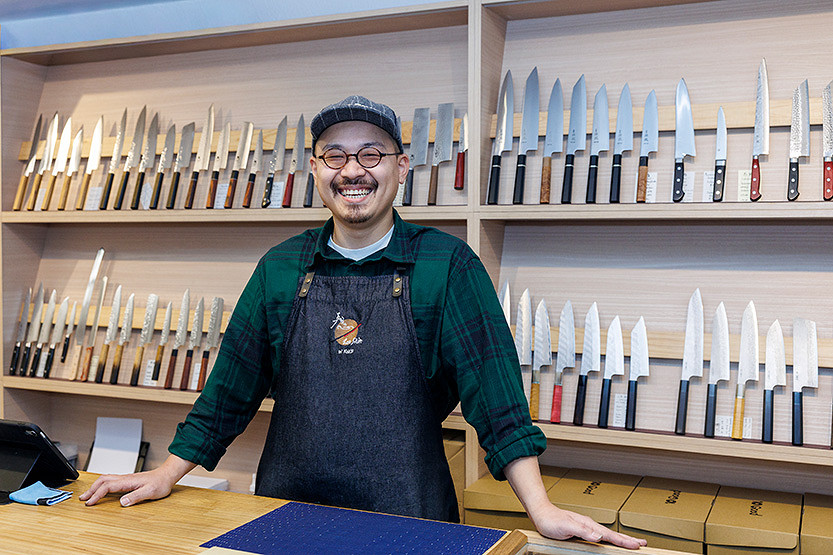
There’s happiness in a sharp, handmade blade
Little Collins St business Zan Shin marks its first anniversary in August. The shop’s owner and manager say its Japanese knives and knife-sharpening service can bring customers fun and happiness. Hundreds of five-star reviews suggest they may be right.
Read More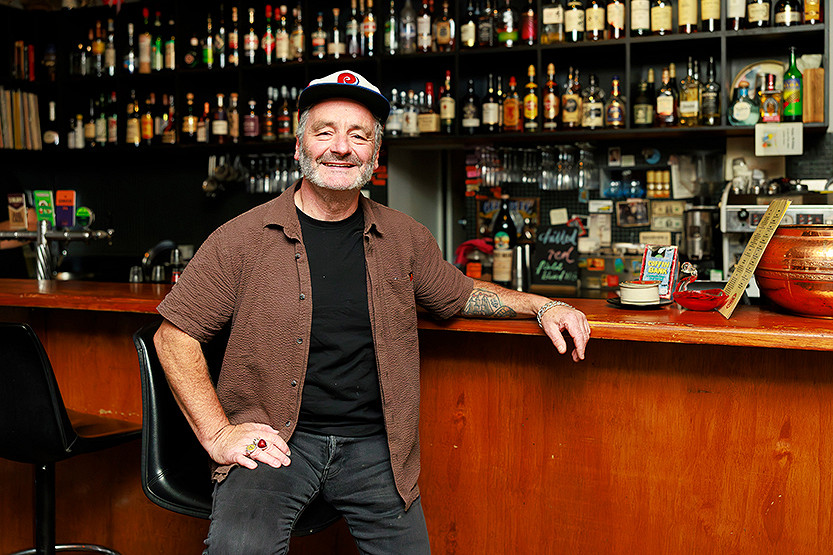
A bar, a laneway and 25 years of city life at Hells Kitchen
When Melbourne pub rockers-turned-stadium band Amyl and the Sniffers had their show cancelled and famously donated their $35,000 fee to the patrons of seven local music venues, Hells Kitchen was one of them.
Read More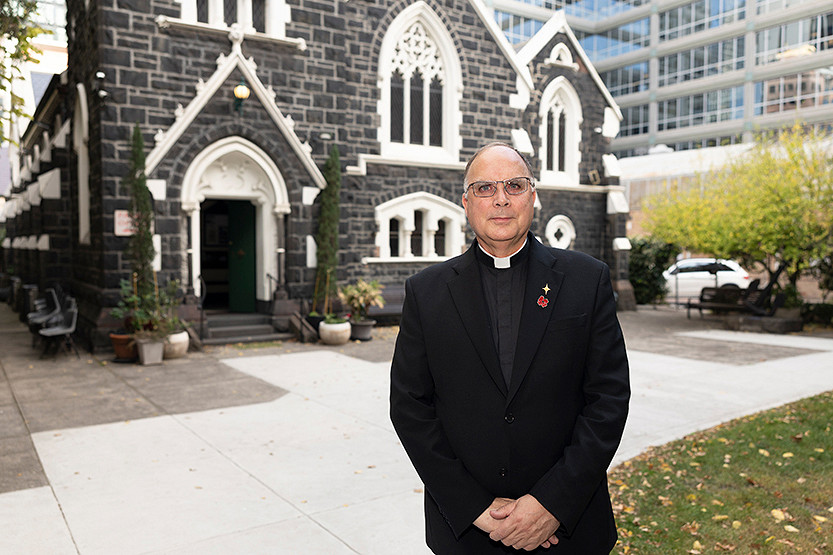
Old church welcomes young crowd
A Neo-Gothic bluestone church nestled into a pocket of greenery overlooked by skyscrapers, St Augustine’s, consecrated in 1869, is one of the CBD’s oldest churches. Its original timber building stood on the Bourke St site from 1853.
Read More
Who actually pays Victorians the most for solar

EastEnders to host Lord Mayor and Deputy Lord Mayor

 Download the Latest Edition