
Future Melbourne podcast wraps pilot season with Lord Mayor Nick Reece looking ahead to 2050
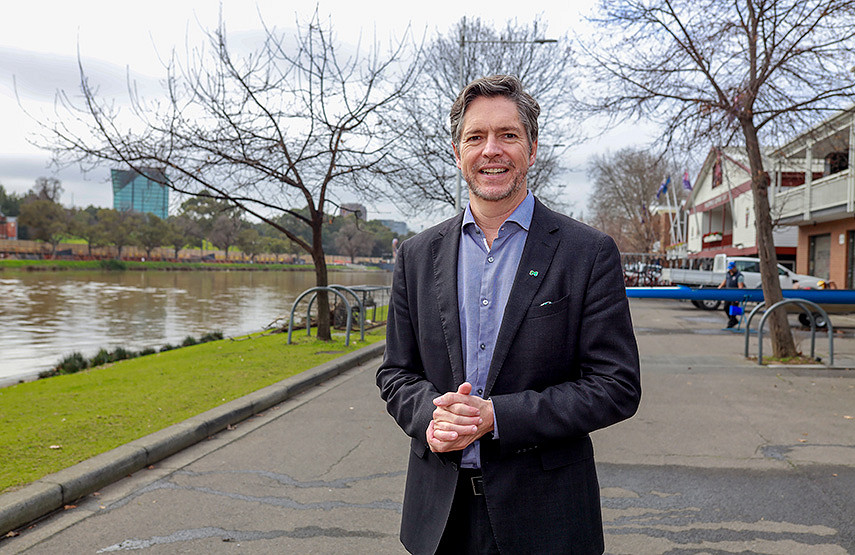
The pilot season of Future Melbourne is set to close with a fitting final guest: Melbourne Lord Mayor Nick Reece, joining the podcast for a wide-ranging conversation about the city’s future and the decisions that will shape it over the next 25 years.
Titled Melbourne 2050, the season finale brings together many of the big themes explored across the podcast so far, from housing, city safety and Docklands to Queen Victoria Market, the Yarra River, Fishermans Bend, Lygon St and the future of the CBD.
It also returns to one of the key inspirations behind the series itself: the City of Melbourne’s 2050 Summit, held in May 2025, which sought to spark a broader public conversation about what kind of city Melbourne wants to become.
In the episode, Cr Reece reflects on why he launched the summit in his first year as Lord Mayor, what emerged from it, and how its longer-term vision sits alongside the council’s more immediate four-year plan. The discussion also grounds that vision in the numbers shaping Melbourne’s future, including strong projected growth in residents, jobs and housing, as well as the continuing challenge of homelessness and inequality in the central city.
From there, the episode moves into a rapid recap of the major topics covered across the pilot season, with the Lord Mayor offering his own take on the issues and places that have defined the series.
That includes the future of Queen Victoria Market as it balances heritage and renewal, the CBD’s recovery from COVID and the role of international students, the growing pressure on housing affordability, and the city’s layered response to safety through police, community safety officers and outreach services.
The conversation also revisits some of Melbourne’s most contested and ambitious urban renewal areas. In Docklands, Cr Reece speaks about the precinct’s long-term potential and what a fully realised waterfront community might look like by 2050. On the Yarra and arts precinct, he reflects on the importance of Greenline, public realm investment and preserving Melbourne’s creative identity during a period of major transformation.
The episode also explores Fishermans Bend, Arden-Macaulay and Lygon St, asking how Melbourne can grow while still protecting the character, accessibility and diversity that define it.
Alongside those place-based discussions, the finale tackles the bigger questions raised by the 2050 vision: what it means for Melbourne to be green, alive and climate-resilient, how the city stays welcoming and inclusive as it grows, and how First Nations knowledge and custodianship can be meaningfully honoured in the city’s future.
As a season finale, the episode works both as a recap and a long-view conversation. It brings together the themes, tensions and ambitions that have shaped the pilot series, while giving listeners a final opportunity to hear directly from the city’s first citizen about where Melbourne is heading next.
For those who have followed the season from the start, it promises a strong and thoughtful conclusion. For newer listeners, it also offers a concise entry point into the big ideas that have framed the series so far.
Either way, Melbourne 2050 closes the first chapter of Future Melbourne by asking the biggest question of all: what kind of city does Melbourne want to become?
Buy our Journalists a coffee
Support our dedicated journalists with a donation to help us continue delivering high-quality, reliable news


Related Articles
Future Melbourne podcast turns to city safety with Inspector Dale Huntington
The latest episode of Future Melbourne turns to one of the most defining issues facing Melbourne right now: city safety.
Read More
Future Melbourne turns to housing with Rob Pradolin
The next episode of Future Melbourne turns to one of the biggest and most urgent issues facing the City of Melbourne: housing.
Read More
Stephen Mayne joins latest Future Melbourne podcast to unpack CBD recovery
The second episode of Hyperlocal News’ new Future Melbourne podcast is now live, with former Melbourne councillor and Crikey founder Stephen Mayne joining the program to discuss the future of the CBD and the economic forces shaping it after the pandemic.
Read More
Who actually pays Victorians the most for solar
EastEnders to host Lord Mayor and Deputy Lord Mayor

 Download the Latest Edition