
Hidden Secrets: A historic glow returns to Swanston and Collins
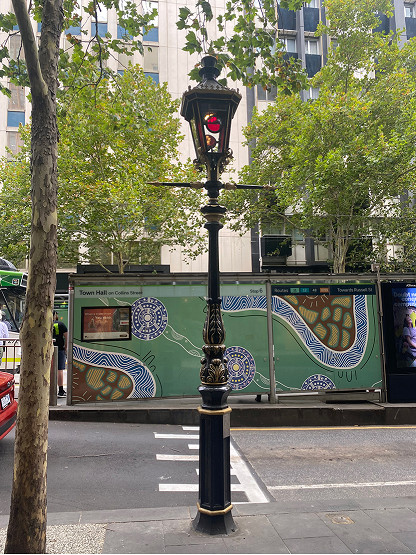

Amid the rush of trams, shoppers and office workers at the corner of Swanston and Collins streets, a small but significant piece of Melbourne’s past has quietly been brought back to life.
Standing outside the Hugo Boss store, directly opposite Melbourne Town Hall and the now-open Town Hall Station, a restored heritage gas lamp once again draws the eye. Freshly repainted and carefully refurbished by the City of Melbourne, the lamp has been returned to working order, reclaiming its place in one of the city’s busiest intersections.
For years it stood largely unnoticed – weathered, unlit and blending into the streetscape. But to some, it was more than a decorative relic. Dr David Horne, who began making enquiries about its restoration back in 2017, saw it as an important link to Melbourne’s early urban history.
I believe it needs to be highlighted in literature about the history of Melbourne and monuments that are important for the public to know about,” he wrote to the City of Melbourne following its restoration. “I continue to point it out to many people to go and have a look at it and admire it.
Dr Horne’s interest in gas lamps dates back to his time living in England, where street gaslighting remained common well into the mid-20th century. London today still maintains more than 1000 operational gas lamps around landmarks such as Buckingham Palace and Covent Garden, preserving a tradition that began in the early 19th century when gaslight first transformed city streets.
Melbourne was quick to adopt the same technology. In the 1800s, gas lighting represented cutting-edge infrastructure, illuminating public spaces and reinforcing the city’s image as a modern and prosperous colony. While electric lighting eventually replaced most of the network, remnants of that earlier era remain.
According to City of Melbourne records, there are 36 gas lamps across the municipality, along with 17 gas lamp bollards – former lamps that have been shortened over time. One example can be found at the north-west corner of Little Collins and Russell streets.
The council maintains these heritage structures, undertaking painting, structural checks and glass cleaning, and occasionally facilitating relighting where possible. In some cases, however, older fittings cannot be retained due to modern safety standards.
The Swanston and Collins lamp now stands as a carefully restored reminder of that layered history. Whether viewed as a working light source or as a sculptural heritage feature, it adds a sense of continuity to an intersection defined by constant change.
With the transformation of Melbourne Town Hall and the new underground metro station nearby, the revived lamp offers a quiet counterpoint – a tangible link to a time when lighting a street was a technological marvel.
In a city known for reinvention, it’s easy to overlook these smaller details. But sometimes it’s the enduring fixtures – polished, preserved and standing their ground – that tell the most compelling stories. •
Buy our Journalists a coffee
Support our dedicated journalists with a donation to help us continue delivering high-quality, reliable news


Related Articles
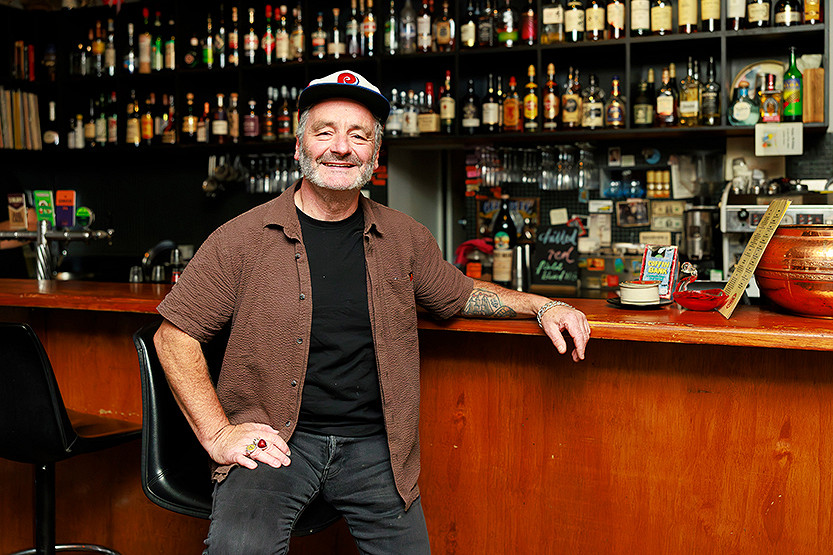
A bar, a laneway and 25 years of city life at Hells Kitchen
When Melbourne pub rockers-turned-stadium band Amyl and the Sniffers had their show cancelled and famously donated their $35,000 fee to the patrons of seven local music venues, Hells Kitchen was one of them.
Read More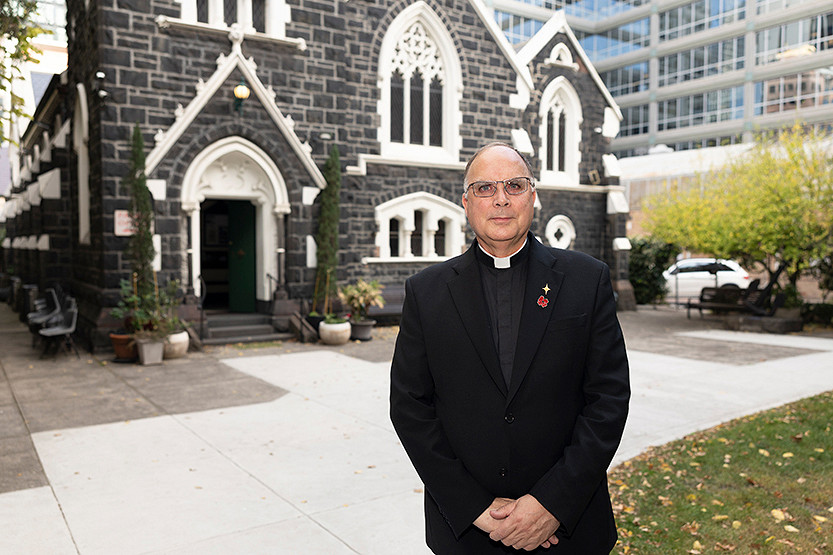
Old church welcomes young crowd
A Neo-Gothic bluestone church nestled into a pocket of greenery overlooked by skyscrapers, St Augustine’s, consecrated in 1869, is one of the CBD’s oldest churches. Its original timber building stood on the Bourke St site from 1853.
Read More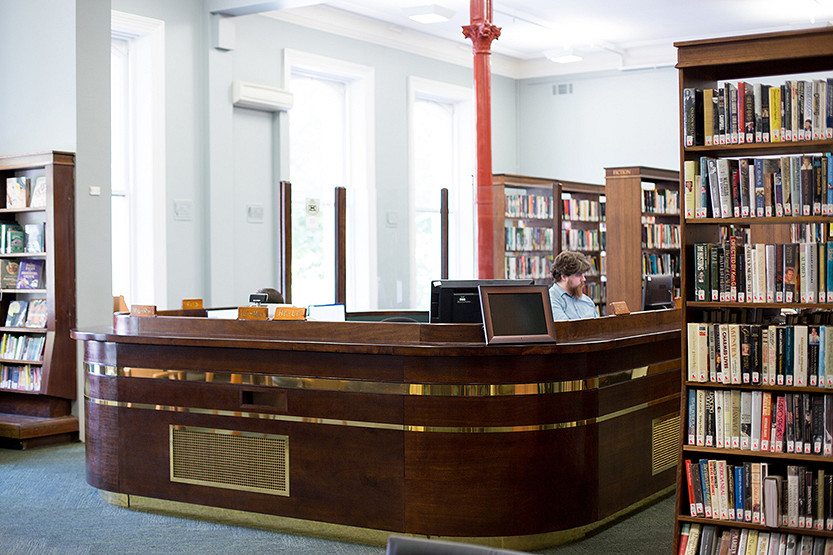
Hidden secret of Melbourne: Athenaeum Library
Above the trundling trams, ever-present cars and the comings and goings of bikes and pedestrians on Collins St sits a venue that has been there since Melbourne’s beginnings.
Read More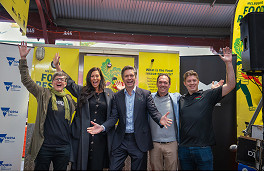
QVM food rescue program turns surplus produce into relief for struggling Melburnians
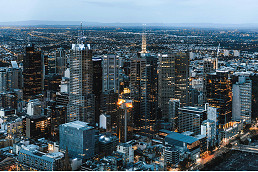
Council backs AI push, framing moment as Melbourne’s “fork in the road”

 Download the Latest Edition