
How to create a calming space in your home
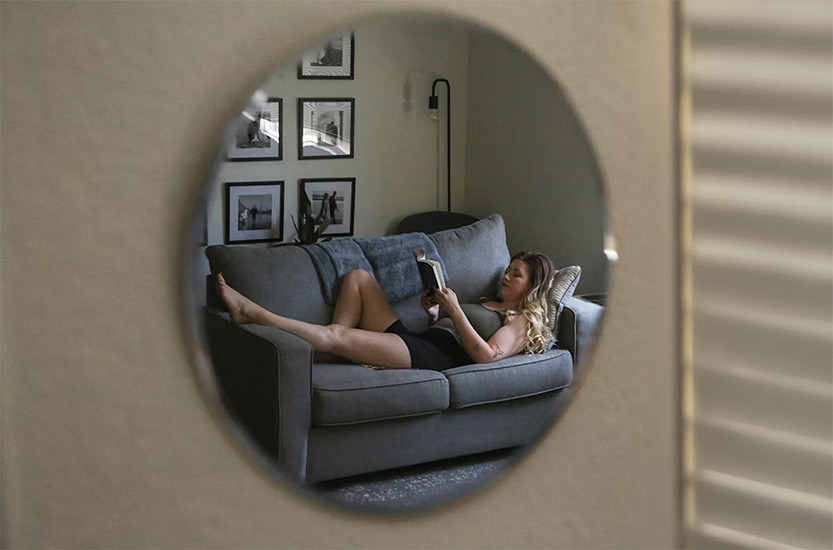
Statistics reveal that 93 per cent of women and 99 per cent of men who were home alone after dark felt safe. A person’s home should be a calming sanctuary, where they can unwind after a long day and relax.
Recent research also shows that a person’s immediate environment can affect their mental health. For example, cluttered spaces can be overwhelming and cause feelings of anxiety, whereas tidy spaces can be calming.
If you’re looking for tips to transform your home and rooms into a calming environment, this guide is for you. This article covers everything you need to know about turning your home into a calming space. This includes why it’s important, how to create it, and how it can benefit your overall wellbeing.
What is a calming space?
A calming space is described as a designated area or room that is designed specifically for a person to retreat to, calm down in, or unwind. While calming spaces have become popular for use in early education and childcare centres, they can be beneficial for everyone.
The term calming space is also often used to describe and overlap with the concepts of quiet rooms and sensory spaces. These terms refer to spaces designed to combat sensory overload and provide people a space to feel calm and focused.
There is no singular design for creating a calming space – there are many factors that can contribute to creating one. What is considered a calming space and the goal will also vary between individuals.

Why calming spaces are important
While calming spaces can benefit everyone, they are particularly helpful for people with autism, ADHD, and sensory processing disorders. Calming spaces provide an area where they can escape sensory overload, process events, and regulate their emotions.
Calming spaces can be beneficial by providing a dedicated area to:
- Unwind: The spaces can be a great way to destress and relax.
- Concentrate: As the environment is designed to be quiet and calming, it can be a great place to work with minimal distractions, increasing focus.
- Regulate: Calming areas provide the space for individuals to regulate their emotions and process their feelings without the ‘outside’ world interfering.
- Escape: Calming spaces can provide people living with sensory sensitivity an area away from any overwhelming stimuli, e.g., bright lights and loud sounds.
The link to overall wellbeing
Research has shown that there is a close relationship between a person’s mental state and physical health. They can impact each other directly and indirectly. For example, people with physical health problems have an increased risk of developing a mental health condition.
Statistics reveal that nearly one in three people living with a long-term physical condition also have a mental health condition, most commonly depression or anxiety. Similarly, people with a mental health condition are more likely to develop a physical health problem.
Because a person’s immediate surroundings can influence their emotions and mental health, it is linked to their overall well-being. Being surrounded by tidy, calming spaces can improve mental health and reduce the risk of developing preventable physical health conditions.
How to create a calming space
If you’re looking to transform your home into a safe space – a refuge – try implementing our list of soothing decor tips. From repainting your walls to hanging up art, there are plenty of ways you can turn a room or area into a calming space.
Invest in warm lights
Nothing is worse than clinical white lights. A quick and inexpensive way to make a house more calming and inviting is by investing in warm, yellow lights. Warm lighting is commonly associated with being comforting and having positive psychological effects.

Start using candles
Candles can help create a calming environment functionally and aesthetically. Candles are a great source of warm lighting, which is linked to various benefits such as increased comfort, enhancing moods, and reducing stress levels.
The smell of a scented candle can also have a soothing and relaxing effect, depending on the fragrance. If you want to create a calming space through smell, we recommend going for fragrances like lavender, chamomile, and sandalwood.
Declutter your space
Disorganisation and clutter can have a significant impact on a person’s mental health. It can make them less productive, increase anxiety and affect sleep. Similarly, it can also be a predictor of physical health.
One study found that participants whose houses were cleaner were more active and had better physical health. A quick (and free) way to start creating a clean space is by cleaning and tidying your rooms.
Add greenery
Recent studies have revealed that green spaces, such as nature reserves, botanical gardens, and parks, are critical for mental health. Natural environments can promote positive psychological experiences.
While it isn’t the same as taking a walk in the park or exploring a nature reserve, you can bring a slice of them to your house through plants or a garden. It can be a great way to contribute to making a calming space.
An article published on The Conversation states that houseplants can boost mental health. The author identified that three plants in particular, pothos, weeping figs, and palms, delivered the best positive effects to wellbeing.
Stay neutral
If your goal is to create a calming space, sticking with neutral colours for your walls can be beneficial. Soft, neutral colours such as grey-blue, light green, and soft lilac can be soothing and instil a sense of tranquillity.
Hang up calming art
Art can play a significant role in creating a calming space. Art can be used to influence the mood of a room or space and promote relaxation. The best type of art to hang up for a soothing effect includes:
- Nature-themed art
- Minimalistic artwork
- Abstract pieces
For example, introducing something like coastal wall art from Australia to your space can change the mood and aesthetics of an area. You want to ensure the art evokes a sense of serenity or peace and isn’t distracting. Avoid any artwork that is too vibrant, cluttered, or images that are stressful.
Play soothing sounds
If you’re someone who finds songs or nature sounds relaxing, we recommend investing in a record player or speakers for the space. Research has found that music can reduce stress levels and trigger the release of dopamine. Music is a great way to unwind and can even improve sleep quality.
There are plenty of options when it comes to creating your own calming space. Whether you devote a single room to becoming a serene sanctuary or you redecorate to create a sense of calm throughout your home, it’s always a good idea to make your space one where you can truly relax and unwind.
Buy our Journalists a coffee
Support our dedicated journalists with a donation to help us continue delivering high-quality, reliable news

Related Articles

The rise of the “third room”: How Australians are reinventing their outdoor spaces
There was a time when the backyard was an afterthought. A patch of grass, a rusting barbecue, maybe a plastic chair or two.
Read More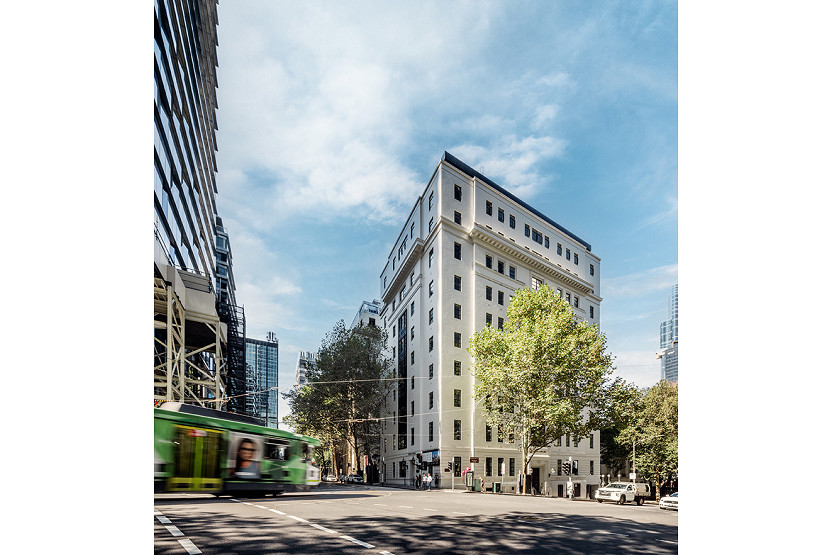
Hypetap moves into historic Swann House on Flinders Lane
One of Australia’s fastest-growing creative agencies is set to make its new home in one of Melbourne’s most historically significant CBD buildings, with Hypetap signing on as the inaugural tenant at the newly refurbished Swann House on Flinders Lane.
Read More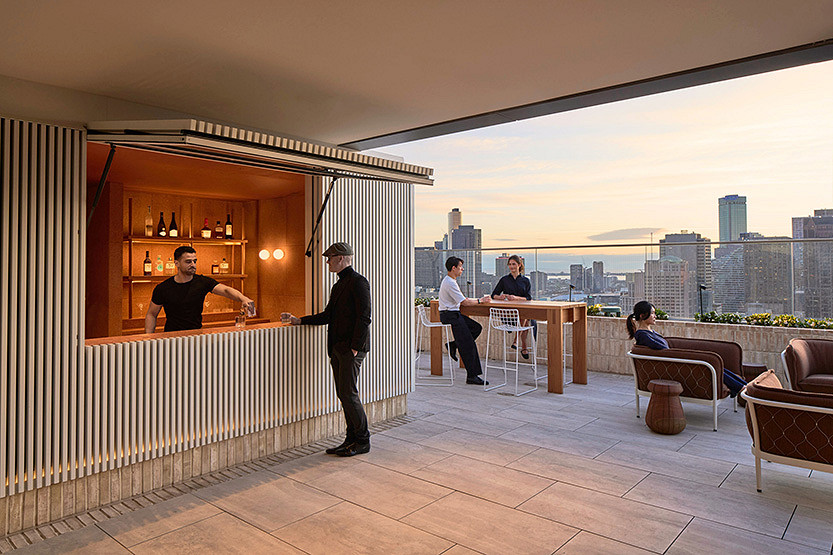
Golden Age completes boutique office tower on Little Collins St
Developer Golden Age Group has announced the completion of 130 Little Collins St – a 28-storey designer office tower that brings new energy, craftsmanship and confidence to the city’s Paris End.
Read More
Council backs AI push, framing moment as Melbourne’s “fork in the road”

Kilkenny Inn site set for new chapter as council backs bigger residential tower

 Download the Latest Edition