
How to make your house an all-weather home
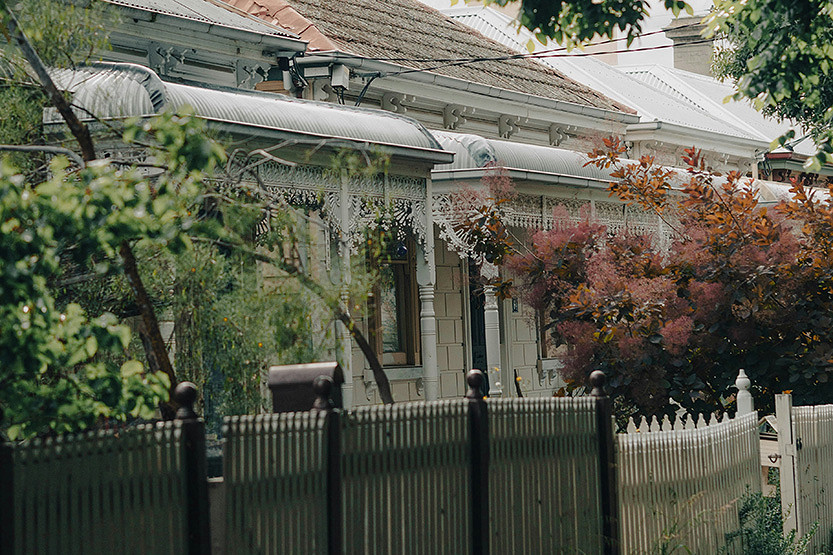
Australia’s climate can be famously unpredictable, one moment it’s scorching hot, the next it’s bucketing down with rain, and somewhere in between, there’s a gust of wind strong enough to send your garden chairs flying.
Because of this unpredictability, more homeowners are looking for ways to create an all-weather home, one that stays comfortable, energy-efficient, and functional regardless of the forecast.
Making your house ready for all seasons doesn’t have to mean a massive renovation. With some thoughtful upgrades, smart planning, and a bit of DIY, you can transform your home into a space that handles heatwaves, storms, cold snaps, and everything in between.
Start with proper insulation
Insulation is arguably the most important element of an all-weather home. It helps keep warm air in during winter and blocks heat from entering during summer. Many Australian homes, especially older ones, are under-insulated, leading to uncomfortable indoor temperatures and rising energy costs.
The ceiling is one of the biggest contributors to heat loss and gain. Installing or upgrading bulk insulation like batts can significantly improve your home’s energy performance. And if you’re renovating, consider adding insulation to the walls. Retrofitting can be possible in some cases, depending on the construction type. Underfloor insulation is ideal for raised homes and helps prevent draughts and keeps your home warmer during the cooler months.
Often overlooked, the garage can be a major source of heat transfer. Adding garage door thermal insulation can help maintain indoor temperatures and reduce energy waste, especially if your garage is attached to the house or doubles as a workspace.
Seal up draughts and air leaks
Draughts make your home work harder to maintain your desired temperature, driving up energy bills and reducing comfort. Luckily, sealing gaps is one of the most affordable upgrades you can make. Check for draughts around windows and door frames, under exterior doors, between floorboards, around exhaust vents, through unused chimneys, and along skirting boards and wall penetrations.
To help reduce draughts in your home, there are a few simple fixes that you can complete in one weekend. Add weatherstripping or draught stoppers around doors and windows or use silicone sealant for gaps in walls and flooring, and install door snakes or automatic door seals. This small step can make a surprisingly big difference when temperatures spike or plummet.
Upgrade your windows
Windows are one of the biggest culprits for heat gain in summer and heat loss in winter. Depending on your budget, there are several ways to improve window performance.
Double-glazed windows feature two layers of glass with insulating air or gas between them. They are highly effective at regulating indoor temperatures and also provide excellent noise reduction. Triple glazing is even more efficient, though less common in Australia due to cost and climate.
If replacing your windows isn’t feasible, window films are a cost-effective solution. Thermal window films can reflect UV rays, reduce heat gain, improve privacy, and lower glare. Insulated curtains, roller blinds, and honeycomb blinds can also help maintain stable temperatures by creating a thermal barrier between the window glass and the room.
Invest in smart ventilation
Ventilation is essential for an all-weather home because it helps regulate humidity, improve air quality, and reduce mould growth, all problems common in both hot and cold weather conditions.
To improve your home's ventilation, consider installing whirlybirds or roof ventilators, which help release hot air from the ceiling cavity, reducing indoor temperature during summer, or exhaust fans, which you can install in the kitchen, bathroom, and laundry to remove moisture and prevent condensation. When designing or rearranging your space, maximise opportunities for cross-ventilation by making sure windows and doors can be opened to promote airflow during mild days, or install smart ventilation systems, which automatically monitor air quality and humidity, adjusting airflow as needed.

Consider external shading
External shading solutions protect your home from the harsh Australian sun and help keep indoor temperatures down without relying solely on air conditioning.
Adding fixed or retractable awnings provides shade to windows and outdoor areas, and pergolas and verandahs are great for outdoor entertaining and protecting interior spaces from direct sunlight. Shade sails are flexible and modern, perfect for patios, decks, or driveways, and external blinds, also known as outdoor shutters, offer excellent thermal control and weather protection. By shading windows and outdoor spaces, you not only stay cooler but also reduce glare and extend the life of indoor furnishings.
Improve your heating and cooling efficiency
Heating and cooling can be costly if your home isn’t equipped to use energy wisely. Making sure your systems are efficient and well-maintained will help keep temperatures comfortable in every season.
Service your air conditioner annually to maintain peak performance and use ceiling fans to improve air circulation and increase comfort. Upgrade outdated systems to something like a modern split system, which is far more energy-efficient, and install a smart thermostat to automatically adjust temperature settings based on your routine, and keep doors to unused rooms closed when heating or cooling to avoid unnecessary energy use.
Storm-proof and waterproof where needed
Australia’s climate can bring sudden storms, heavy rain, and even flooding in some areas. Protecting your home from water damage is essential for long-term safety and comfort. Keep your gutters and downpipes clean to prevent blockages, install gutter guards to reduce leaf build-up, and check your roof tiles and repair cracks or gaps promptly.
Waterproof decks, balconies, and bathrooms to prevent leaks, and consider drainage improvements if your property is prone to pooling water. Prevention is always cheaper (and far less stressful) than repair.
Landscaping for climate control
Your garden can actually help regulate your home’s temperature, with strategic landscaping that creates shade, reduces heat absorption, and improves drainage. Planting deciduous trees creates shade in summer and sunlight in winter, and using groundcover plants reduces heat radiating from bare soil. Add windbreak hedges to protect outdoor areas from strong gusts and incorporate water-wise plants to reduce maintenance during hot spells.
Creating an all-weather home is all about balance, efficiency, and making thoughtful improvements that suit your lifestyle. Whether you're aiming to stay cooler during summer, warmer in winter, or simply reduce your household’s energy use, making a few upgrades can help transform your home into a space that handles Australia’s ever-changing climate with ease.
Buy our Journalists a coffee
Support our dedicated journalists with a donation to help us continue delivering high-quality, reliable news


Related Articles
How window furnishings can boost buyer appeal and property value
Curtains and blinds can enhance the feel of your home and make it stand out in the property market.
Read More
Flooring upgrades that boost your home’s market appeal
When getting ready to sell or rent out a property, flooring often has a bigger impact than you first realise. Buyers and tenants notice them straight away, and that first impression can shape how they feel about the rest of the home.
Read More
Kilkenny Inn site set for new chapter as council backs bigger residential tower

A bar, a laneway and 25 years of city life at Hells Kitchen

 Download the Latest Edition