
Keeping Melbourne’s CBD strong by backing the people who power it
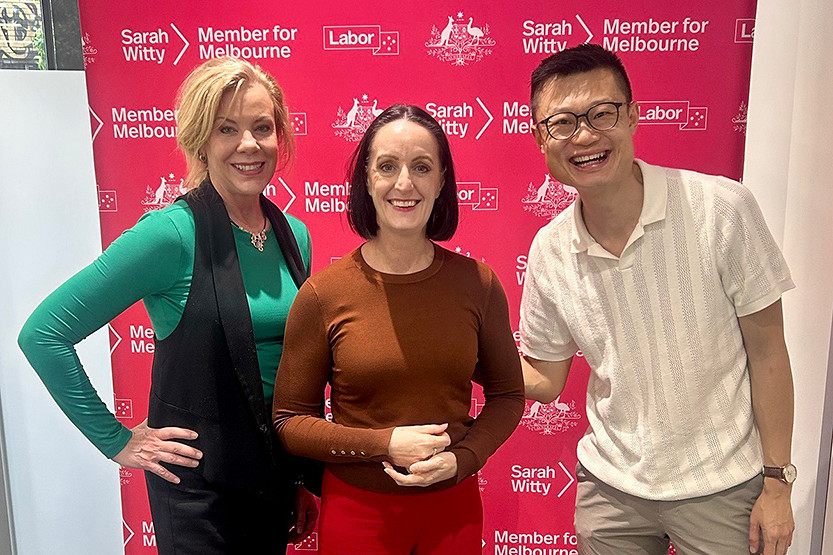
Melbourne’s CBD is often described as the engine room of our city: busy, diverse and always evolving. But what has stood out to me most over the past few months is not just the pace of change, but the people and communities working every day to keep that engine running.
Since the start of the year, I’ve spent time across the electorate listening to residents, small business owners and frontline service providers. Whether it is a conversation with a café owner navigating rising costs or a visit to a community organisation supporting vulnerable residents, the same themes come up again and again: cost-of-living pressures, housing affordability and the need for practical support that meets people where they are.
One of my first visits this year was to a community housing provider just a few blocks from the CBD. Walking through those buildings and speaking with tenants and staff, it was clear that secure housing is the foundation for everything else: health, employment, education and connection. But it was also clear that demand continues to outstrip supply. That is why I have been focused on advocating for increased investment in social and affordable housing, and on ensuring federal programs translate into real homes here in Melbourne.
I have also spent time with traders and small businesses in the central city, many of whom are still finding their footing after a challenging few years. I met with City Precinct, the business association bringing small businesses together to support one another. Their enthusiasm for the CBD is obvious, and they shared their concerns clearly. Energy costs, rent and workforce shortages are not abstract policy debates, but daily operational challenges. What I hear consistently is the need for stability and certainty: settings that allow businesses to plan, invest and grow.
At the same time, the CBD remains a place of enormous opportunity. I have attended local events such as Chinese Lunar New Year celebrations, spoken with students and young professionals, and met with organisations driving innovation in everything from clean energy to social enterprise. There is a strong sense that Melbourne can lead, not just economically, but socially, if we get the balance right between growth and inclusion.
That balance is especially important when it comes to the future of our inner-city communities. Development and renewal are essential, but they need to be done in a way that keeps Melbourne liveable and accessible. That means protecting the diversity that makes our city unique and ensuring people from all walks of life can continue to live, work and participate in the CBD.
In Parliament, I have been working with colleagues to progress measures that respond to these local priorities. From cost-of-living relief to housing investment and support for essential services, the focus remains on practical outcomes. But representation does not start or end in Canberra. It is shaped by what I hear on the ground here in Melbourne.
What I have learned over these past months is that people are not looking for grand statements. They are looking for follow-through. They want to know their concerns are understood, their voices are heard and their representative is present, not just during election campaigns, but consistently.
That is something I take seriously. Whether it is visiting a neighbourhood centre, meeting with local traders or simply having a conversation on a street corner, those interactions inform the work I do every day.
Melbourne’s CBD will continue to change, and that is part of its strength. But as it does, the challenge for all of us is to ensure growth does not come at the expense of community. Because ultimately, a city is not defined by its skyline, but by the people who call it home.
And from what I have seen so far this year, there is every reason to be optimistic about what we can build together. •
Buy our Journalists a coffee
Support our dedicated journalists with a donation to help us continue delivering high-quality, reliable news


Related Articles
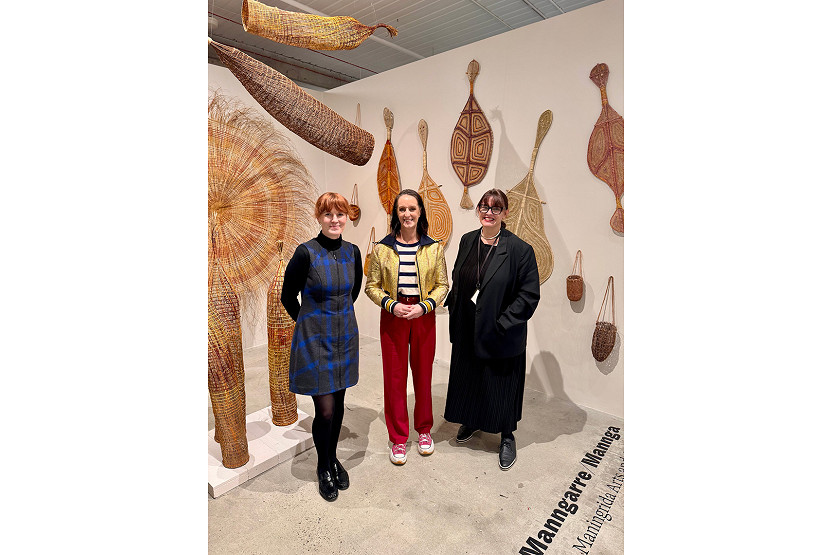
Delivering for Melbourne
Melbourne is one of the world’s great cities because we never stand still. We embrace new ideas, celebrate our diversity and back the people and businesses that make our communities thrive.
Read More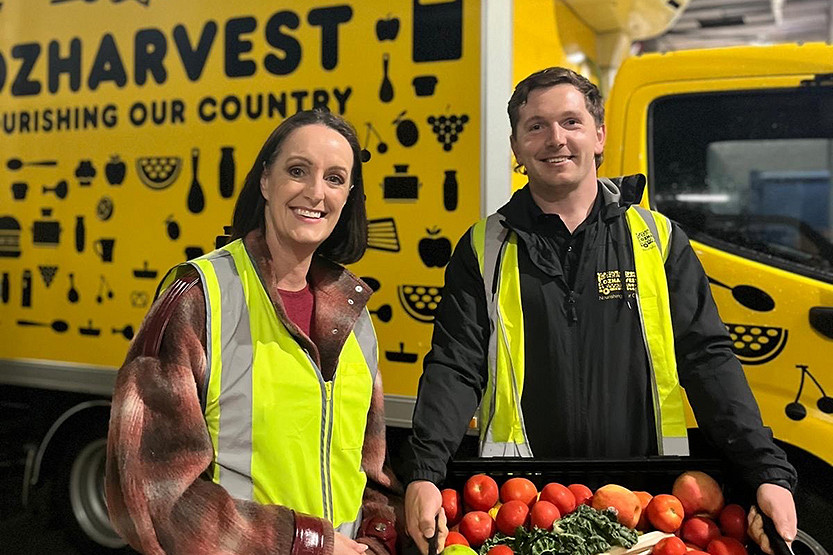
Six months in: representing Melbourne in our national parliament
It’s been just over six months since I was elected to represent our wonderful community in the Australian Parliament; and what a six months it’s been.
Read More
Who actually pays Victorians the most for solar
EastEnders to host Lord Mayor and Deputy Lord Mayor

 Download the Latest Edition