
New garden guidelines open door to greener neighbourhood streets
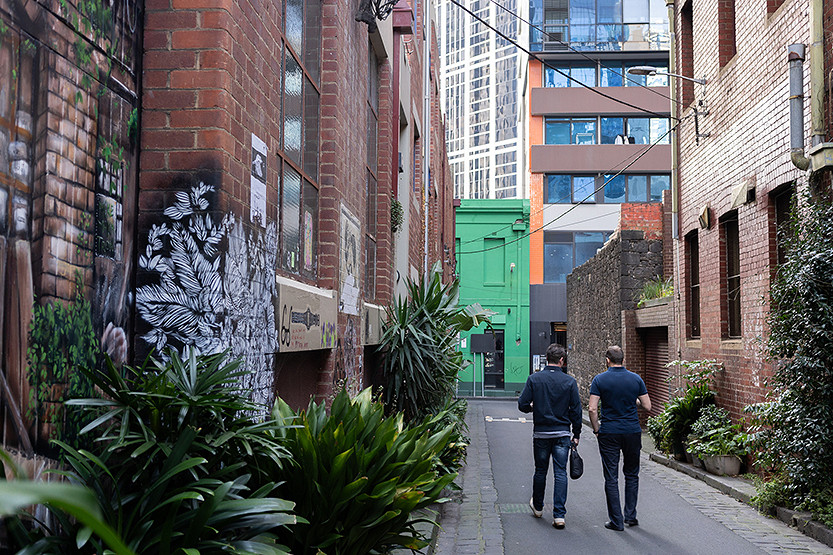

Melburnians will be able to plant small gardens in nature strips, tree plots, laneways and planter boxes more easily under new City of Melbourne guidelines designed to encourage community-led greening across the municipality.
The Garden City Guidelines were unanimously endorsed by councillors at the June 16 Future Melbourne Committee meeting, giving residents, renters and businesses clearer rules for greening local streets without needing a permit in most cases.
The guidelines apply to neighbourhoods outside the Hoddle Grid, including Kensington, Carlton, North Melbourne, West Melbourne, Parkville, Docklands, East Melbourne, Southbank, Fishermans Bend and South Yarra.
The CBD will remain subject to the existing Greening Melbourne Permit system because of its tighter layout, high pedestrian volumes and more constrained public realm. Edible gardens in streets will also still require a Street Garden Permit, while some state-managed and heritage roads are excluded.
Lord Mayor Nick Reece, who was overseas and not at the meeting, said the guidelines would make it easier for residents and businesses to contribute to Melbourne’s garden city identity.
We’re making it easier than ever for Melburnians to roll up their sleeves, uncover their green thumb and start transforming their neighbourhoods, Cr Reece said.
“Melbourne is the garden city, and these guidelines will help our residents and businesses create vibrant green spaces that bring colour, biodiversity and life to our streets.”
The new framework allows for in-ground planting in nature strips and tree plots, as well as pots and planters on footpaths or outside buildings, provided safety, access and maintenance requirements are met.
Residents must check underground services, speak to neighbours, choose appropriate non-invasive plants and maintain gardens over time.
The guidelines prohibit edible plants, trees, spiky or hazardous plants, weeds, synthetic turf, rocks, structures, irrigation systems, electrical wiring and herbicides or insecticides. Plant heights are capped at one metre, or 50cm within 10 metres of intersections or crossings.
Footpaths must retain at least 1.2 metres of clear pedestrian space, with pots and planters also subject to size and stability limits.
Environment portfolio head Cr Davydd Griffiths said the shift from a permit-based approach to an enabling guidelines model would remove a barrier for residents who wanted to green their streets.
“No matter how big or small – every garden makes a difference,” Cr Griffiths said.
“More greenery means cooler streets, better habitats for birds and pollinators, and more welcoming neighbourhoods for everyone.”
At the meeting, Cr Griffiths said many residents had either already been gardening outside their homes or had been “waiting and asking for the opportunity to do so”.
He said the guidelines would help people move from the initial idea of “I’d like to grow something at the front of my house” through the practical steps needed before “putting spade into ground”.
The council says the guidelines support broader goals around biodiversity, urban cooling, stormwater management, social cohesion and neighbourhood pride.
Submissions to the meeting were broadly supportive, including from the Southbank Residents’ Association, which said the guidelines were particularly relevant in high-density areas where streets were often dominated by hard surfaces, buildings and transport infrastructure.
But accessibility concerns emerged as a major talking point.
Disability Advisory Committee member and access consultant Rosemary Walshaw told councillors she supported more urban greening, but warned that environmental outcomes should not come at the expense of accessibility and inclusion.
“For many people with disability, footpaths are not simply public spaces. They are essential transport infrastructure,” she said.
She said barriers often emerged gradually as vegetation grew, pots were moved, paths narrowed or surfaces became slippery, and that people with disability did not always lodge complaints when access was compromised.
“The community should not have to choose between a greener city and an accessible city,” she said.
Other written submissions raised similar concerns, including calls for clearer complaints processes, stronger requirements around planter stability, more explicit warnings about spiky plants and clearer written guidance on bin clearance and pedestrian access.
Council officers said those matters could be addressed through minor editorial changes, frequently asked questions on the council website and the annual review process.
The council will also encourage residents to register new and existing gardens to improve visibility, support communication, recognise community projects and help council contractors understand which gardens are being maintained.
Cr Griffiths said the guidelines would evolve over time, but marked an important step towards allowing “budding green thumbs right across the city” to help green Melbourne’s streets.
The final guidelines will be published on the City of Melbourne website, with a new online landing page and garden registration process. •
Buy our Journalists a coffee
Support our dedicated journalists with a donation to help us continue delivering high-quality, reliable news


Related Articles
Who actually pays Victorians the most for solar
A Victorian solar owner scrolls past an ad promising a big feed-in rate and assumes the maths is simple. Bigger number, bigger cheque. Solar exports rarely work out that neatly.
Read More
CBD greening projects share in council funding boost
Three high-profile CBD greening projects, including one at Federation Square, will share $250,000 under the City of Melbourne’s latest Urban Forest Fund grants round.
Read More
Fed Square features in plans for a 220km Birrarung Valley Walk
A long-term plan for a 220km “connected, whole-of-river trail” along the Yarra, or Birrarung, has been publicly announced, with the walk, from Williamstown to the Upper Yarra Reservoir, expected to open in 2029.
Read More
Who actually pays Victorians the most for solar

EastEnders to host Lord Mayor and Deputy Lord Mayor

 Download the Latest Edition