
Old church welcomes young crowd
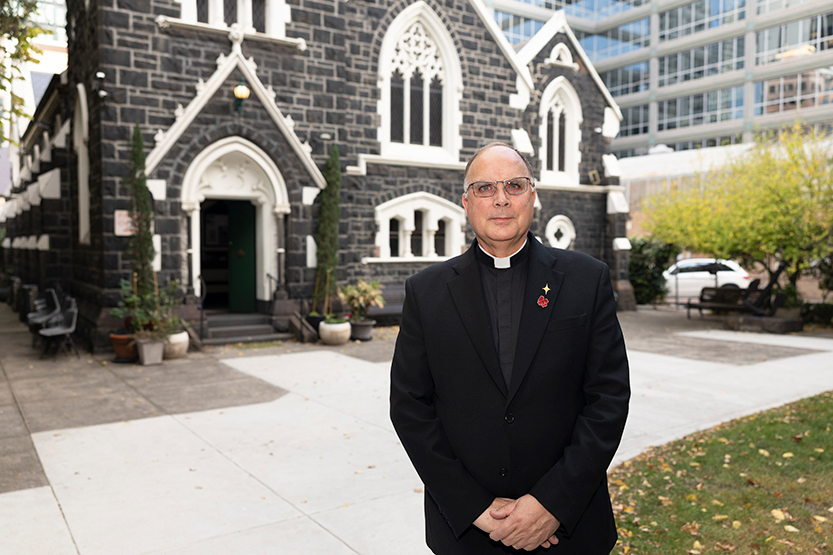
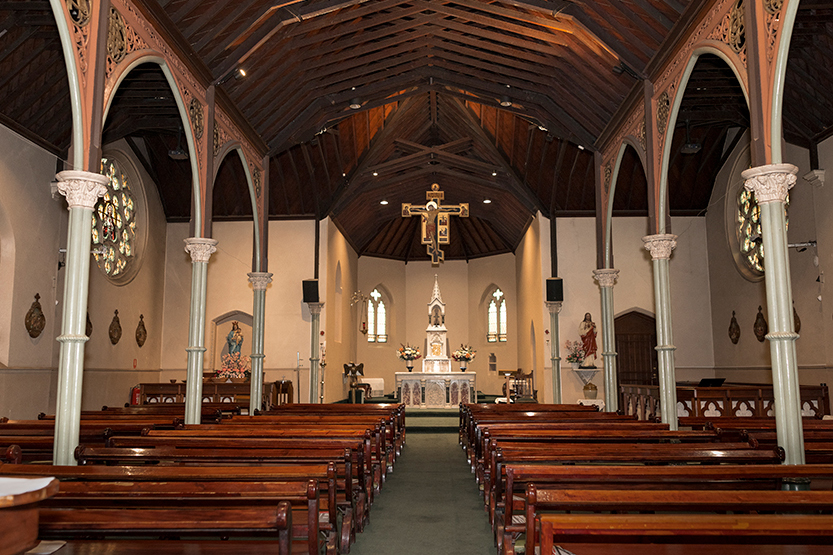
A Neo-Gothic bluestone church nestled into a pocket of greenery overlooked by skyscrapers, St Augustine’s, consecrated in 1869, is one of the CBD’s oldest churches. Its original timber building stood on the Bourke St site from 1853.
Next door to the former West Melbourne Police Station, now a hotel where patrons can drink in the stone cells, St Augustine’s parish is a place of calm and quiet with a welcoming, hospitable “personality”, according to its priest.
“We try to keep the front gates open during the day for the city workers to come and have lunch or sit there. It’s about the only green patch in the area,” Monsignor Stuart Hall told CBD News.
“It’s a great little place.”
Its caretakers try also to keep the church building open so that people, whether Catholic or not, can “come in for a quiet five-minute reflection or prayer or a chance just to be still”.
“It’s a place of refuge, I guess, and quietness,” the priest said. “Where people can centre themselves, whatever’s happening in their lives”.
He recalled that one of the first times he said Mass in the church, “a feller came down and started talking to the statue of Mary,” before complaining about God in colourful language.
Then before leaving, he turned and loudly thanked Him.
“No-one in the congregation batted an eyelid.”
People with mental health and homelessness issues are not uncommon at St Augustine’s.
Out the back is a washing machine and dryer that occasionally get a run washing visitors’ clothes, the priest says.
For the congregants there is usually coffee, tea and biscuits after Mass, and now and then an espresso cart or sausage sizzle.
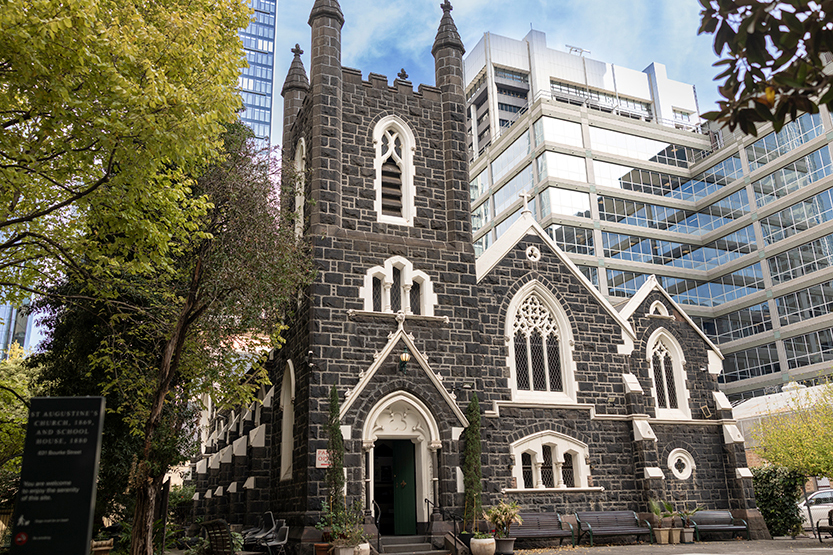
Behind the bluestone church is another place of refuge linked to it, the Stella Maris Seafarers’ Centre.
A home-away-from-home for seafarers – mainly these days the crews of container ships and tankers – it offers support of all kinds, from transport and money-changing to more serious matters and it still has some accommodation.
As well as attracting seamen, St Augustine’s has been something of a magnet for migrants.
The grounds house a monument to the Ukrainian community who “at one point in the history of their immigration, sort of established it as their place of worship,” the parish priest says.
Italians had done a similar thing.
“So, the waves of migration coming into Melbourne have often used the church as a point of reference or a place to worship and congregate.”
Currently young Indonesian Catholics are using it regularly.
St Augustine’s is unique also in offering an 8pm Sunday Mass – the last one of the week in the Melbourne Archdiocese.
Known in Catholic circles as “last chance Mass”, it was at one time held as late as 9.30pm to cater for nurses and other shift workers.
While some of them still grace the pews, there are more uni students and new residents, the monsignor says.
And people who come there early in their lives keep on coming back after they move out to the suburbs.
Overall, the average age of the congregation is 32 to 34, he calculates, compared to “fiftyish” at “the normal parish church” outside the city.
With the small building designed to comfortably hold 150 to 170, it gets pretty cosy.
“In the Sunday Masses, it’s full, and people get to know each other, so the person you’re standing next to is not just a stranger.
“Even if you’re visiting, it’s not uncommon for someone to say, hello and welcome or whatever.”
As a city church, St Augustine’s has “a personality of welcoming and hospitality,” its custodian says. •
This feature is proudly supported by Hidden Secrets Tours Melbourne.
Buy our Journalists a coffee
Support our dedicated journalists with a donation to help us continue delivering high-quality, reliable news


Related Articles
A bar, a laneway and 25 years of city life at Hells Kitchen
When Melbourne pub rockers-turned-stadium band Amyl and the Sniffers had their show cancelled and famously donated their $35,000 fee to the patrons of seven local music venues, Hells Kitchen was one of them.
Read More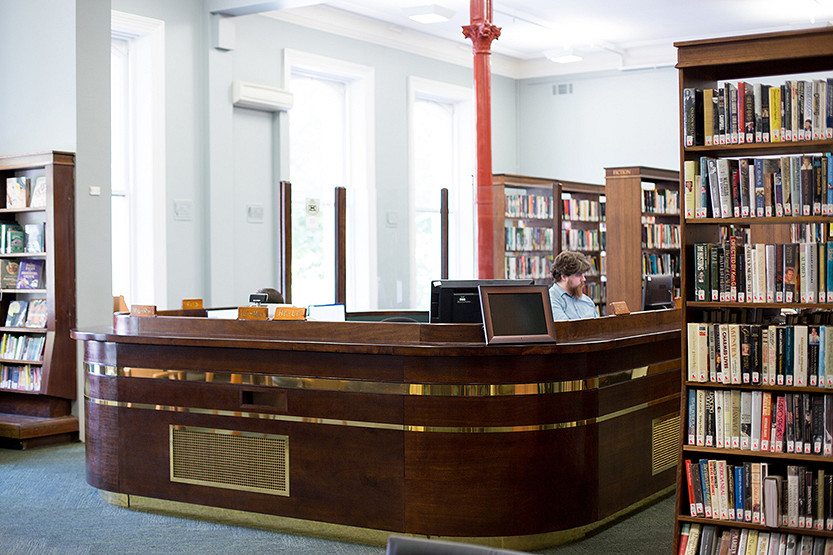
Hidden secret of Melbourne: Athenaeum Library
Above the trundling trams, ever-present cars and the comings and goings of bikes and pedestrians on Collins St sits a venue that has been there since Melbourne’s beginnings.
Read More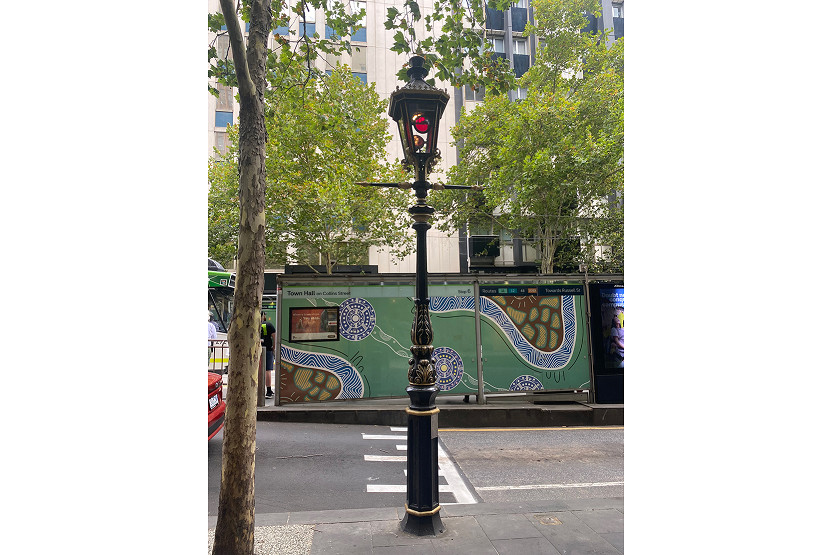
Hidden Secrets: A historic glow returns to Swanston and Collins
Amid the rush of trams, shoppers and office workers at the corner of Swanston and Collins streets, a small but significant piece of Melbourne’s past has quietly been brought back to life.
Read More
QVM food rescue program turns surplus produce into relief for struggling Melburnians
Council backs AI push, framing moment as Melbourne’s “fork in the road”

 Download the Latest Edition