
Police boost CBD presence as Operation Harmony expands
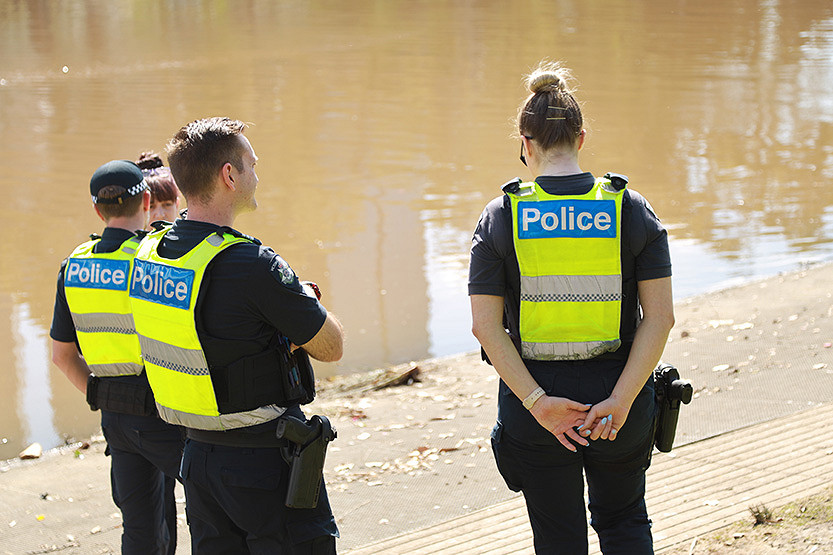

Victoria Police has significantly expanded its visible presence in Melbourne’s CBD, with the latest version of Operation Harmony now delivering almost double the daily number of officers patrolling the city.
The move marks a notable escalation in the response to public safety and amenity concerns in the central city, following years of complaints from traders, workers and residents about anti-social behaviour, retail crime and the need for a more consistent police presence on the streets.
Announced on March 26, the latest iteration of Operation Harmony is set to run for the foreseeable future and will see highly visible patrols across the CBD’s footpaths, roads, train stations, retail strips and other key public spaces.
The operation is being led not only by local police, but also officers from specialist units including the Public Order Response Team, Transit Safety Division, Highway Patrol, Proactive Policing Unit and Mounted Branch.
Victoria Police said the expanded operation would target a clear list of priority issues, including anti-social behaviour around Flinders Street Station and Elizabeth St, retail crime around Bourke Street Mall and Melbourne Central, the safe use of e-scooters and e-bikes around Little Bourke and Swanston streets, thefts from cars in multi-level car parks, and engagement with people experiencing homelessness to connect them with relevant support services.
North West Metro Region Acting Commander Belinda Jones said the increase in police numbers had been driven by the concerns most often raised by people living, working and visiting the city.
“Victoria Police has been very clear that we want to have more police out in the community preventing crime,” Acting Commander Jones said.
This is another example of officers being deployed based on the latest intelligence and most importantly, to resolve issues that are concerning our community.
She said violent crime in the CBD remained relatively uncommon compared with the huge number of people moving through the city each year, but added that Operation Harmony was also about boosting confidence.
“Operation Harmony will aim to increase this perception of safety for residents, visitors and workers in the city,” she said.
The original Operation Harmony was run over December and January, when police focused on key city locations during the busy festive season. That first phase resulted in 66 arrests, more than 470 penalty notices and nearly 20 referrals connecting people with support services.
Inspector Dale Huntington, Melbourne East Local Area Commander, said the operation’s success during the summer period had helped pave the way for a second phase beginning on March 22.
He said the intent during the busy autumn period was to reduce anti-social and criminal behaviour while ensuring a visible and proactive police presence for retailers, local communities and the public.
The expansion comes at a time when the City of Melbourne has also been building up its own community safety officer (CSO) program, which CBD News understands is expected to be expanded further as part of the council’s draft budget next week.
The CSO program represents the city’s largest safety shake-up since the introduction of Protective Services Officers more than a decade ago. The 11-member team, trained in de-escalation, trauma-informed practice and mental health response, is authorised to enforce local laws and make arrests where necessary. They work seven days a week across long shifts aligned to peak activity periods.
The council’s community safety officers are not police, but they have become an increasingly visible part of the city’s safety and amenity mix, particularly when it comes to managing local laws and lower-level public order issues.
According to Inspector Huntington, the officers were proving useful on the ground, particularly in areas where police time is better directed elsewhere.
It is understood police appreciate the role the officers play in administering local bylaws, such as dealing with obstructions on footpaths and other amenity matters that do not require a sworn police response. Where issues escalate, or where there are concerns such as suspected drug dealing or more serious disorder, the officers are understood to contact police and provide another source of local intelligence and monitoring.
CBD News understands local police and the community safety officers hold discussions each week, and that there have so far been few issues around overlap between the two roles.
One issue previously raised publicly concerned what Lord Mayor Nick Reece last year described as the officers’ so-called “power to make citizens arrests” after it was revealed they would carry handcuffs.
While any member of the public can make a citizen’s arrest, very few ever intervene.
Rather, CSOs are “empowered” to make a citizen’s arrest where others wouldn’t – that distinction is important as the city’s broader safety model evolves. The officers are not intended to replace police, but rather to complement them in a growing and increasingly complex CBD environment.
For many in the city, the expanded Operation Harmony will be seen as a welcome response to long-running calls for more boots on the ground.
And with the council also preparing to invest further in its own safety presence, Melbourne’s central city appears to be moving toward a more layered approach, combining police visibility, local law enforcement and support referrals,
Buy our Journalists a coffee
Support our dedicated journalists with a donation to help us continue delivering high-quality, reliable news


Related Articles
Camillo says council delivering on safety and cleaning
Two years into the current council term, City of Melbourne safety and cleaning portfolio lead Cr Rafael Camillo says Town Hall has moved beyond “talking about the problems” and is delivering practical responses to the issues that dominated the 2024 election.
Read More
Operation Harmony nets 55 arrests as police maintain boosted CBD presence
Victoria Police says its expanded Operation Harmony has already led to 55 arrests in Melbourne’s CBD, with the month-long policing surge being credited with helping prevent further crime and improving safety in the city.
Read More
Community CCTV appeal
Local police are appealing to members of the community with public-facing CCTV cameras to register them in a database used to help solve crimes.
Read More
QVM review process only raising further questions

Farewell CBD News – but not goodbye

 Download the Latest Edition