
What Australian startups are prioritising when building their first website

Key Highlights
- Startups want fast, reliable hosting that keeps up with early growth
- Local performance and support are now seen as essential
- Security, flexibility and ease of use guide most first-time decisions
- Website hosting for Australian startups now offers tools tailored to how modern businesses launch and grow
Getting online starts with the right foundation
For Australian startups, building that first business website often feels like a make-or-break moment. It’s not just about establishing an online presence – it’s about launching your product or service with credibility, creating a place for customer trust, and making sure nothing breaks when people start clicking through. That first website needs to load fast, work reliably, and grow alongside the business.
In 2026, many new founders aren’t just looking for the cheapest hosting plan or flashiest design platform. They’re thinking strategically – choosing options that keep the early stages simple without holding them back in six months’ time. Hosting plays a central role in that equation. And the priorities are getting clearer.
1. Local hosting with speed and support that matches
Performance is still king. The difference between a locally hosted site and one on overseas servers can be measured in page load times—but also in lost opportunities. When your homepage takes too long to load, you lose trust before you even get to the pitch.
That’s why many new businesses are prioritising website hosting for Australian startups that’s physically based in Australia. Hosting with local infrastructure means lower latency, quicker DNS resolution, and better search performance in local markets. It also means your data is covered under Australian privacy laws, which is increasingly important for startups handling user information – even in their early stages.
Perhaps more importantly, local hosting tends to come with local support. When you need help troubleshooting at 9am Sydney time, you don’t want to wait for a help desk to come online in the US. Startups don’t have time to sit on hold or explain things twice.
2. Simple, scalable plans that don’t lock you in
Startups evolve fast. You might start with a static page and grow into e-commerce, gated content or an integrated CRM. Your hosting plan needs to scale with you – without forcing a total rebuild when the business outgrows its original setup.
This is where flexibility becomes more valuable than low entry cost. Founders are learning to look for plans that offer seamless upgrades, flexible traffic handling, and staging environments. These tools make it easier to develop features, test campaigns or rework site structure without downtime or disruption.
Domain registration, email integration, and simple add-ons for things like site security or analytics are increasingly being bundled into the same dashboard – because no one wants to juggle four logins just to make one update.
The goal is freedom: freedom to grow, pivot, and rework your online presence without paying penalties or starting from scratch.
3. Stability and uptime over gimmicks
It’s easy to get distracted by flashy dashboards, bundled apps and clever templates. But when your site crashes mid-launch or loads like it’s stuck in 2012, all that goes out the window.
Founders are putting more weight on the fundamentals – like uptime guarantees, regular backups, and clear policies around data storage and server maintenance. A website can’t generate leads, sell products or support investors if it’s offline. And startups can’t afford downtime when every click might be their first customer.
A clean, simple interface with tools you actually use is better than a bloated package full of extras you’ll never touch. Uptime should be at least 99.9 per cent, and ideally supported by proactive monitoring so you’re alerted to issues before customers are.
4. Support That Talks Like a Real Person
When something breaks – and it will – you need fast, useful support. Not a chatbot. Not a 48-hour email delay. Not a phone menu that goes in circles.
This is where local hosting providers often stand out. The best support doesn’t just fix problems – it helps you avoid them in the first place. For founders juggling product development, marketing, admin and sales, having a support team that understands startups (and speaks your language) is a major advantage.
It’s also about tone. Support that’s approachable and technically sharp helps founders feel in control, even if they’re not “tech people.” Whether you’re setting up DNS, migrating domains or restoring a backup, you want support that’s responsive and clear, not condescending or confusing.
5. All-in-one management that doesn’t overwhelm
Startups need to move fast. Switching between multiple providers for hosting, domains, email, and security is not just inefficient – it’s a setup for missed renewals, broken integrations, and wasted time.
That’s why many founders now favour platforms that handle it all. One dashboard. One support channel. One billing system. That simplicity helps reduce mental load and makes it easier to stay on top of technical responsibilities as the team grows.
The best platforms also make it easy to hand things off later – whether to a developer, a marketing manager, or an external agency. Clear settings, predictable billing and role-based access control mean you can build and delegate without untangling messes six months down the track.
Building for growth starts here
In the early days of a startup, your website is often your most visible asset – and your most powerful tool. Hosting might feel like a background decision, but it underpins everything from customer experience to technical scalability.
Australian founders are recognising that the best setup is one that’s fast, local, and ready to grow with them. Whether it's peace of mind from real support, or the confidence that your infrastructure won’t buckle during your first big launch, the right hosting makes the difference between a site that works – and one that works for you.
Buy our Journalists a coffee
Support our dedicated journalists with a donation to help us continue delivering high-quality, reliable news


Related Articles
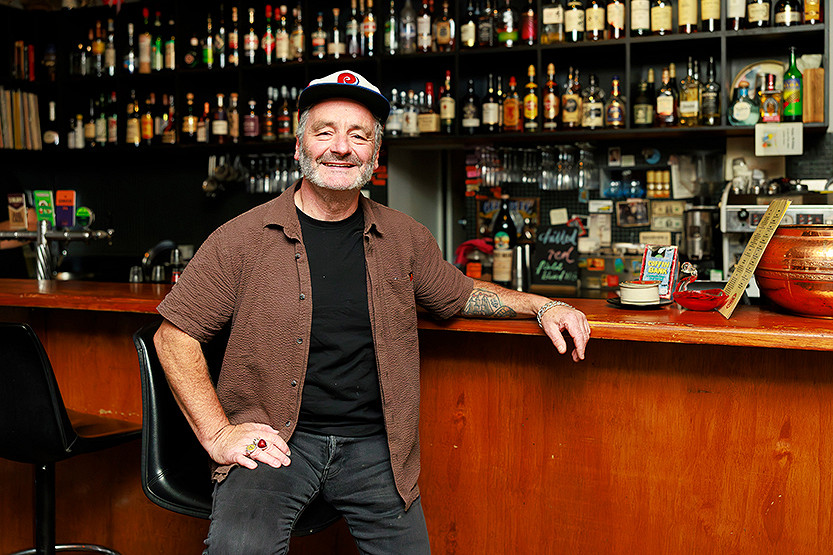
A bar, a laneway and 25 years of city life at Hells Kitchen
When Melbourne pub rockers-turned-stadium band Amyl and the Sniffers had their show cancelled and famously donated their $35,000 fee to the patrons of seven local music venues, Hells Kitchen was one of them.
Read More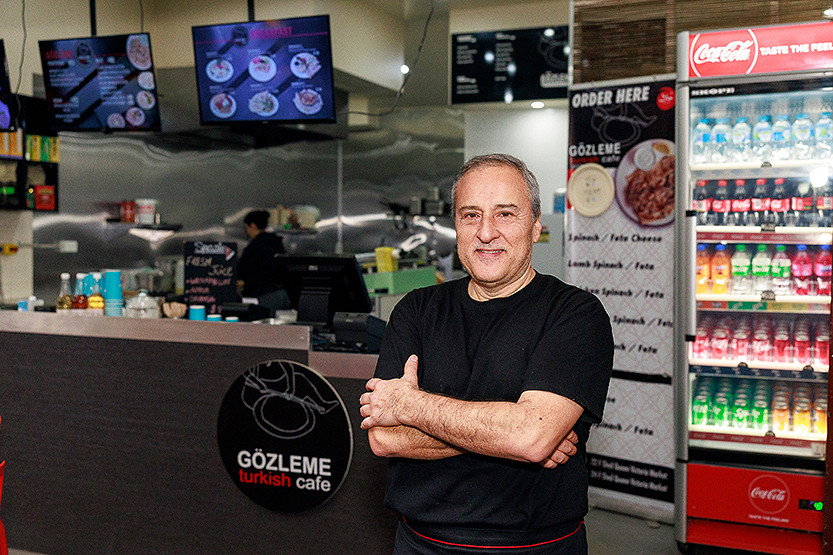
How the Arslans turned gozleme into a QVM staple
Ekrem Arslan and his wife Asiye were the first in Melbourne to sell gozleme, he says. Nearly a quarter of a century on, his happy family market business has expanded but remains largely unchanged.
Read More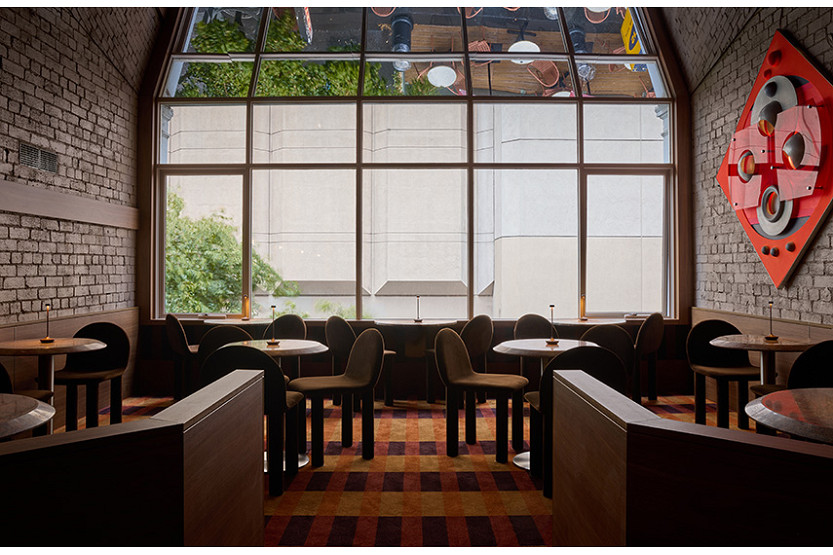
Tuscan-inspired wine bar The Florence opens above Flinders Lane favourite
A new late-night venue has opened on Flinders Lane, with Tuscan-inspired wine and cocktail bar The Florence taking over the level above The Meatball & Wine Bar in the latest move from Melbourne hospitality group Valarc.
Read More
Council backs AI push, framing moment as Melbourne’s “fork in the road”

Kilkenny Inn site set for new chapter as council backs bigger residential tower

 Download the Latest Edition