
Win for protesters as Federal Court rules against CBD police search powers
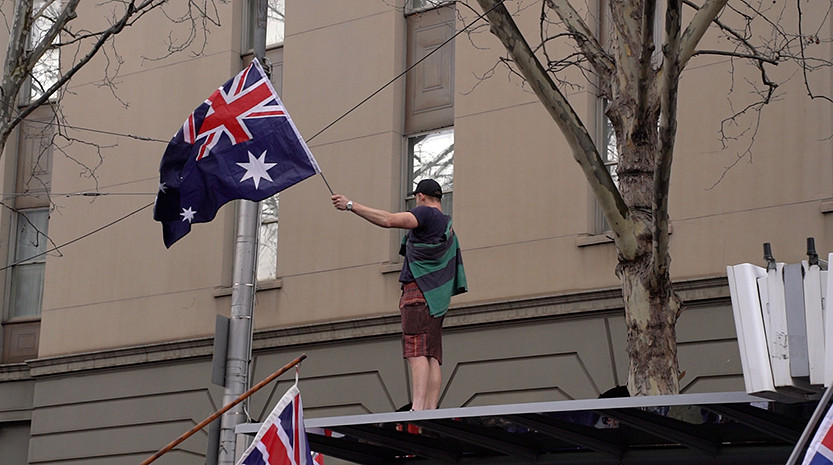
A legal challenge of special police powers to stop and search people in Melbourne's CBD and surrounds has ended with a significant victory for the protesters who brought the case, leaving future use of the powers uncertain.
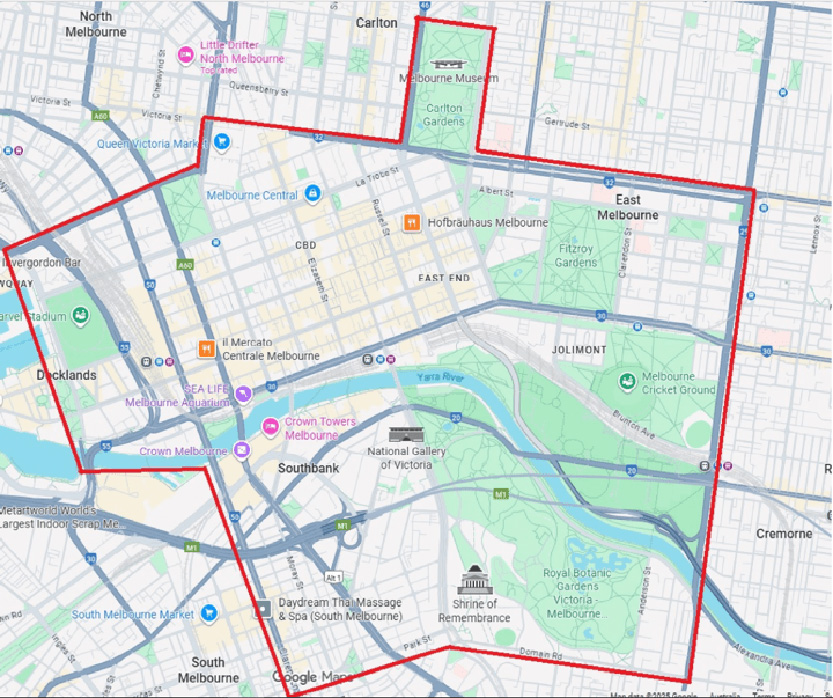
Three protesters – Tarneen Onus Browne, Benny Zable and David Hack – represented by the Human Rights Law Centre, challenged the declaration by Victoria Police last November of the whole of the Melbourne CBD and surrounding suburbs, including Docklands, Southbank and East Melbourne, as a “designated area” for a period of six months.
The designation gave police the power under the Weapons Act 1990 to stop and search people and their vehicles without a warrant or direct them to remove a face covering, or else leave the area, without needing to have a reasonable suspicion a person was carrying a weapon or breaking the law.
Previously police had only been able to declare a designated area for 12 hours.
The extended six-month declaration was made possible after the Victorian Government made changes to laws last March, including banning machetes, in response to knife crime.
In the lead-up to the Federal Court challenge, Victoria Police revoked the CBD designation four months early, on January 9, after Onus Browne – an organiser of the annual Invasion Day rally – and Zable, a performance artist who has worn his distinctive costume to protests for more than 45 years, commenced proceedings. Police later argued the case should be dismissed.
However, Federal Court Justice Elizabeth Bennett disagreed.
On January 23, Justice Bennett found the Victoria Police declaration was invalid and unlawful, and that it contravened rights protected in Victoria’s Charter of Human Rights and Responsibilities, particularly the
right to privacy. She found the Assistant Commissioner who made the declaration had relied on an incorrect interpretation of the law, failed to properly consider the legislative criteria, and failed to adequately consider human rights.
The ruling means Victoria Police can only declare designated areas where it is necessary to address a genuine risk of weapons-related offending.
However, Justice Bennett dismissed a separate challenge by the protesters to the police power to require a person to remove a face mask, finding that power was constitutional – but only if a valid designated area declaration exists.
Onus Browne, a Gunditjmara, Yorta Yorta, Bindal and Meriam community organiser, described the ruling as “a significant win” for protesters and the wider community.
“This is a win for First Peoples and allies coming to the Invasion Day rally, and every person who comes into the CBD and designated areas, who want to be treated with dignity and respect and not subject to intrusive police powers,” she said.
Zable said he was disappointed the court upheld the face covering power, noting his masks were central to his protest performances.
The Human Rights Law Centre’s legal director Sarah Schwartz said the case exposed “significant and systemic failures” in police decision-making.
“This case means Victoria Police can no longer exercise extraordinary powers without proper basis and without consideration of human rights,” she said, adding the ruling raised serious questions about the legality of other designated areas and thousands of searches conducted under them.
Victoria Police said it respected the court’s decision.
“Our intent has always been to protect the community and remove dangerous weapons from our streets,” a police spokesperson said. “Victoria Police will now take the time to consider the court’s findings.”
The spokesperson confirmed there was no weapons search declaration in place for Melbourne’s CBD on Australia Day in 2025, when the Invasion Day march took place, saying police had “no intelligence to suggest a heightened risk of violence”. •
Buy our Journalists a coffee
Support our dedicated journalists with a donation to help us continue delivering high-quality, reliable news


Related Articles

Bennetts Lane signage fight heads to VCAT as council defers decision
A planning dispute over signage at an iconic Bennetts Lane site in the CBD has now spilled into VCAT, with the City of Melbourne deferring formal consideration of the application while discussions continue between council officers and the applicant.
Read More
New VCAT headquarters opens at 308 La Trobe St
Victoria’s civil and administrative tribunal has officially opened its new CBD headquarters at 308 La Trobe St, with the state government saying the move will help reduce wait times and make justice services easier to access.
Read More
Legal challenge lodged against six-month police search zone covering Melbourne CBD
A legal and constitutional challenge has been filed in the Federal Court against Victoria Police’s decision to declare the entire Melbourne CBD and surrounding suburbs a “designated area” for six months, granting officers unprecedented stop-and-search powers across the city.
Read More
Who actually pays Victorians the most for solar

EastEnders to host Lord Mayor and Deputy Lord Mayor

 Download the Latest Edition