
CBD shop vacancies fall again as Walk the CBD points to stronger city recovery
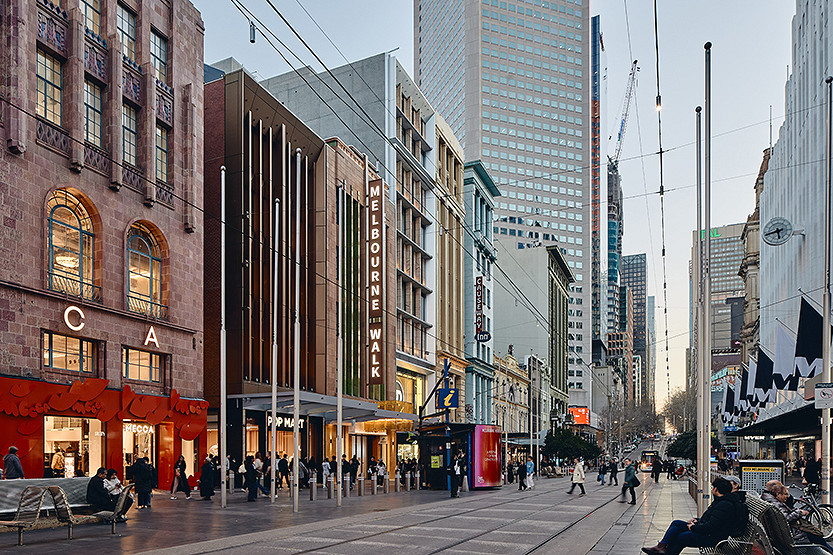

Melbourne’s CBD retail vacancy rate has fallen for a fourth consecutive year, with Fitzroys’ latest Walk the CBD report showing the city’s shopfront recovery continuing to gather pace.
The 2026 report found that overall CBD retail vacancies dropped from 6.1 per cent to 4.6 per cent over the past 12 months, the lowest level recorded in recent years and a sharp improvement from the lockdown era, when vacancies rose to above 30 per cent.
The figures suggest the central city’s mix of retail, hospitality and entertainment is continuing to stabilise, helped by major project completions, new stores and hotels, and stronger visitor activity around key times of the week. Fitzroys said hospitality, food and beverage and entertainment operators were again the main drivers of demand, with that segment now making up 49.4 per cent of the CBD tenancy mix.
James Lockwood, Fitzroys division director, said the reshaping of the city had translated into long-term vacancy lows and a new sense of buzz in the CBD.
The reshaping of Melbourne’s CBD has translated into long-term lows in vacancies, a new retail landscape, and an unmistakeable newfound buzz, he said.
Among the strongest performers was Swanston St, where vacancies tightened further from 2.6 per cent to just 1.9 per cent as retailers moved to be close to the new Town Hall and State Library Metro Tunnel stations. Little Bourke St was even tighter at 1.1 per cent, while La Trobe St between Elizabeth and Russell streets recorded no vacancies at the time of reporting.
Chinatown also improved, with vacancies falling from 6.6 per cent to 3.5 per cent, reflecting strong weekend and evening trade and continued spillover into nearby streets and laneways. Bourke Street Mall held firm at four per cent, supported by major new drawcards including Mecca’s flagship store, Melbourne Walk, JD Sports and the two IHG hotels.
Elsewhere, Elizabeth St continued its sharp recovery, improving from 8.1 per cent to 5.3 per cent, while Flinders Lane tightened from 4.2 per cent to 3.2 per cent and Russell St improved from 10.9 per cent to 7.6 per cent. Collins Street West also fell from 9.4 per cent to 7.0 per cent.
Only two of the 17 precincts surveyed recorded a rise in vacancies, with Collins St East increasing to six per cent and Exhibition St to 7.3 per cent.
The report argues that changing visitation patterns are now shaping the city’s retail mix more than the traditional office week. Successful traders, it says, have adapted to stronger midweek, Friday night and weekend visitation, with people increasingly coming into the city for a broader experience combining shopping, dining, culture and events. The City of Melbourne reported a record $1.2 billion in spending in December 2025, which was cited as further evidence of that shift.
Hotel growth is also playing a role. Fitzroys said Melbourne had added 5000 hotel rooms across 22 buildings since January 2019, with a further 2100 rooms under construction or opening across 2025 and 2026, helping support the city’s retail and hospitality recovery.
While the city’s office market still faces headwinds, the latest Walk the CBD figures suggest that for shopfronts at least, Melbourne’s CBD is continuing to move in the right direction. •
Buy our Journalists a coffee
Support our dedicated journalists with a donation to help us continue delivering high-quality, reliable news


Related Articles
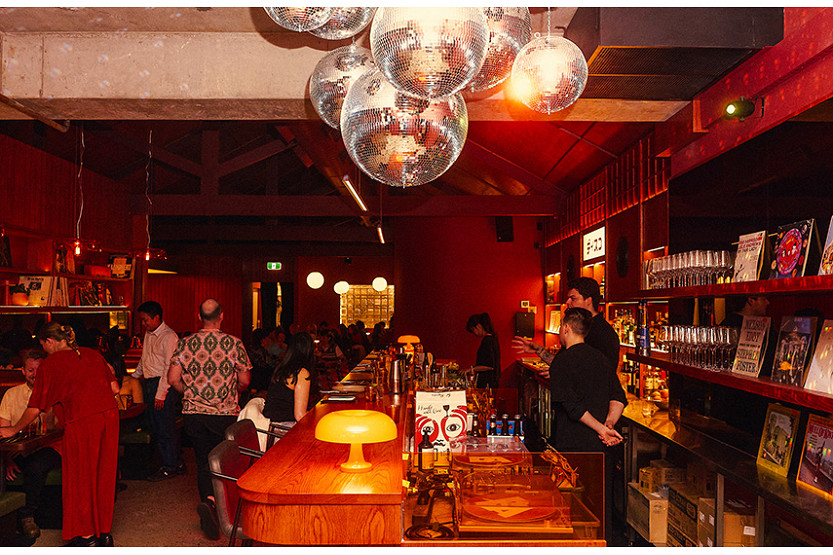
Melbourne tops nation for night-time economy
Melbourne has recorded the fastest-growing night-time economy of any Australian capital, with new data showing the city added almost 3000 jobs and nearly 180 venues in just one year.
Read More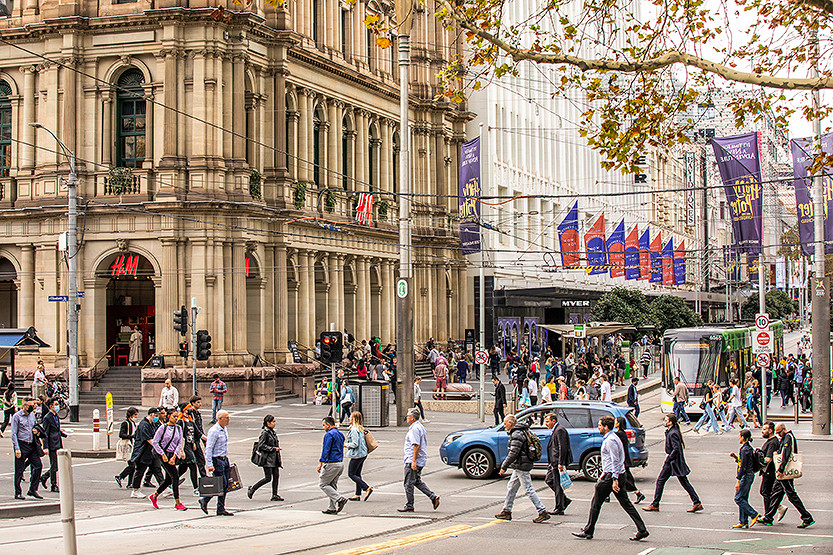
Record December caps strong rebound in Melbourne’s CBD economy
Melbourne’s CBD economy ended 2025 on a high, with December recording the biggest spending month ever captured in the City of Melbourne’s economic data, according to the council’s latest Economy Snapshot.
Read More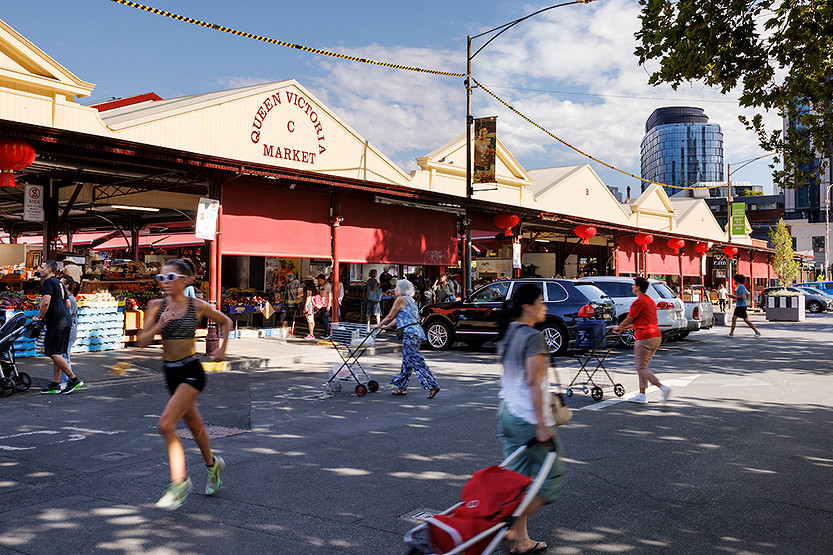
Queen Victoria Market records strongest visitation in years despite renewal works
Queen Victoria Market has recorded its strongest visitation in years, with a new annual report showing the historic precinct continues to draw growing crowds even as major renewal works reshape the site.
Read More
Who actually pays Victorians the most for solar
EastEnders to host Lord Mayor and Deputy Lord Mayor

 Download the Latest Edition