
City of Melbourne pushes back on State’s plan to mandate work-from-home rights


The City of Melbourne has formally come out against the Victorian Government’s plan to legislate a right for employees to work from home two days a week, warning that the move could hurt the city’s fragile post-pandemic recovery.
In a nine to two vote on October 21, councillors supported a motion moved by Cr Rafael Camillo and seconded by Cr Philip Le Liu urging Premier Jacinta Allan to abandon the proposal and preserve the current system of negotiated workplace flexibility. The motion was also backed by Lord Mayor Nick Reece.
“Melbourne comes alive through its people,” Cr Camillo said. “Our city thrives when people are here, connecting, collaborating, and supporting local business. Flexibility should be about choice – something that’s worked out between employers and employees, not imposed through a blanket rule.”
The motion notes that the government’s plan could “adversely impact Melbourne’s CBD through a future increase in office vacancy rates, a decline in city activation and negative impacts on small businesses who rely on foot traffic.”
It further argues that “flexibility in the workplace is best achieved through negotiation between employers and employees”, warning that a “one-size-fits-all mandate” would add bureaucracy and undercut the diversity of Victoria’s industries.
The resolution calls on the State to focus instead on “policies which seek to build confidence, attract investment and drive economic activity,” saying that mandated work-from-home rights would place Melbourne at a competitive disadvantage nationally and internationally.
Cr Camillo said the council’s vote reflected the concerns of businesses, landlords and the hospitality sector.
“I’ve been listening to the business community, who’ve told us their concerns,” he said.
Empty offices mean fewer people in the city and tougher times for the businesses that keep Melbourne prosperous and vibrant. We should be focused on building confidence, attracting investment and keeping Melbourne competitive.
Cr Le Liu said the motion gave the city a clear position on an issue that goes to the heart of Melbourne’s recovery.
“This sends a very clear signal that this is the way we want to go,” he said. “We represent the closest people to the people and businesses, and many stakeholders have made it very clear that this is something they do not support. Investors have told us they’re alarmed by this proposal and have shifted their money to Sydney. When people stop coming to the city and when the city’s dead, it’s very hard to get it back.”
Several councillors echoed concerns that the proposal could discourage office investment and further hollow out weekday activity in the city centre, already burdened by high vacancy rates and slow return-to-office patterns.
Cr Owen Guest said legislating work-from-home rights would “hamstring business” at a time when government should be “making things easier, not harder.”
“Flexibility is the word,” he said. “It is popular, but that doesn’t mean we should legislate it. This is a relationship that should be forged between employers and employees.”
Cr Gladys Liu also supported the motion, saying governments should not “tell businesses or people what to do.”
“Our job is to make sure we have an active, vibrant city,” she said. “People can choose to work from home – that’s fine – but we don’t need government to tell them.”
Two councillors opposed the motion – Labor’s Davydd Griffiths and the Greens’ Dr Olivia Ball – arguing that legislating the right to work from home would protect employees from power imbalances and increase workforce participation.
“Flexible working arrangements have enabled millions of people, many of them women, to balance caring responsibilities with paid work,” Cr Dr Ball said. “It’s a win for the environment and the economy.”
The motion passed despite public opposition from former council candidate Aaron Moon, who told councillors before the vote that working from home is “a defining feature of the modern workplace” and that opposing it “trivialises” the city’s advocacy efforts.
The Allan Government remains firmly committed to its proposal. Earlier this month, it released results from a record-breaking 36,770-response survey showing that 74 per cent of employees rated the right to work from home as “extremely important,” and 83 per cent said they were more productive doing so. The Premier said the findings confirmed that “work from home works for families and it’s good for the economy.”
But at Town Hall, councillors framed their stance as a “line in the sand” moment for Melbourne’s future.
After years of talk about retrofitting towers and reviving the city economy – with little visible progress beyond the coming Metro Tunnel stations at Town Hall and State Library – the motion signalled a more assertive approach to advocacy on state policy.
“This is the capital city,” Cr Camillo said in closing. “We have a duty to show our constituents our view. Whether the Premier listens or not, we’re doing our job. We need to send a strong message to our residents, businesses and investors about our vision for Melbourne.” •
Buy our Journalists a coffee
Support our dedicated journalists with a donation to help us continue delivering high-quality, reliable news


Related Articles
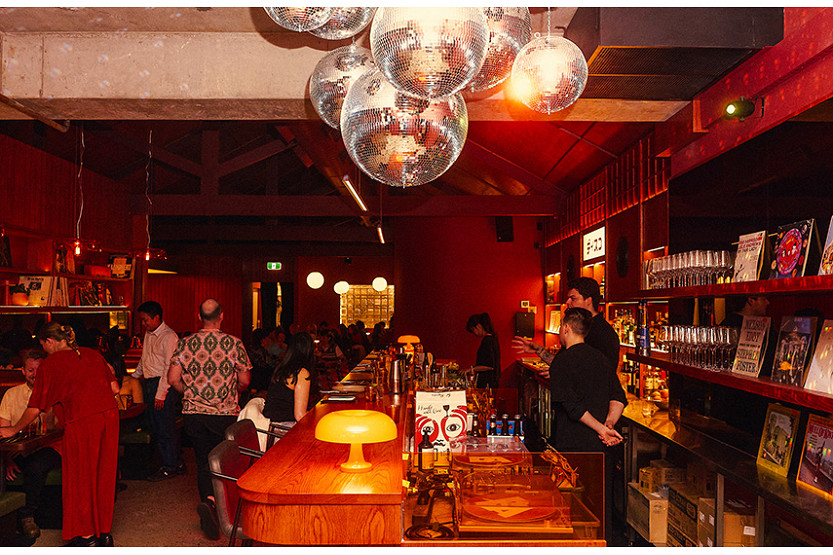
Melbourne tops nation for night-time economy
Melbourne has recorded the fastest-growing night-time economy of any Australian capital, with new data showing the city added almost 3000 jobs and nearly 180 venues in just one year.
Read More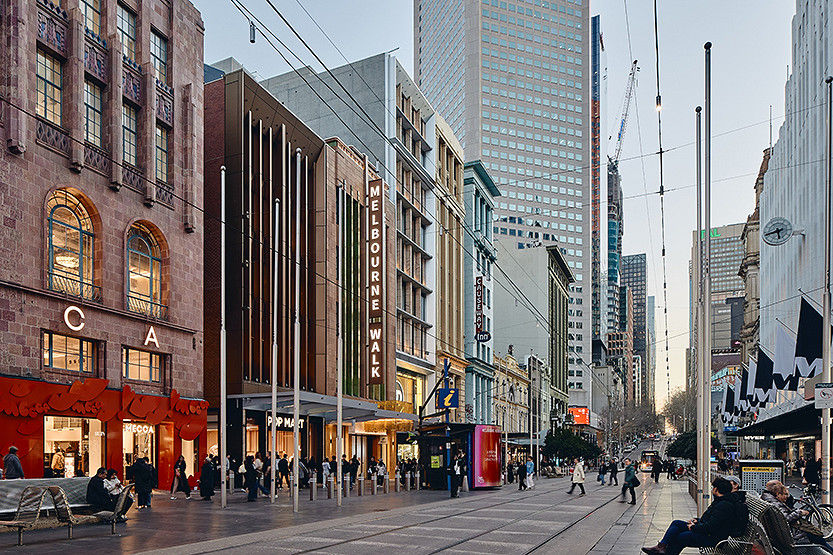
CBD shop vacancies fall again as Walk the CBD points to stronger city recovery
Melbourne’s CBD retail vacancy rate has fallen for a fourth consecutive year, with Fitzroys’ latest Walk the CBD report showing the city’s shopfront recovery continuing to gather pace.
Read More
Record December caps strong rebound in Melbourne’s CBD economy
Melbourne’s CBD economy ended 2025 on a high, with December recording the biggest spending month ever captured in the City of Melbourne’s economic data, according to the council’s latest Economy Snapshot.
Read More
Who actually pays Victorians the most for solar

EastEnders to host Lord Mayor and Deputy Lord Mayor

 Download the Latest Edition