
City safety and security dominate discussions over new Council Plan
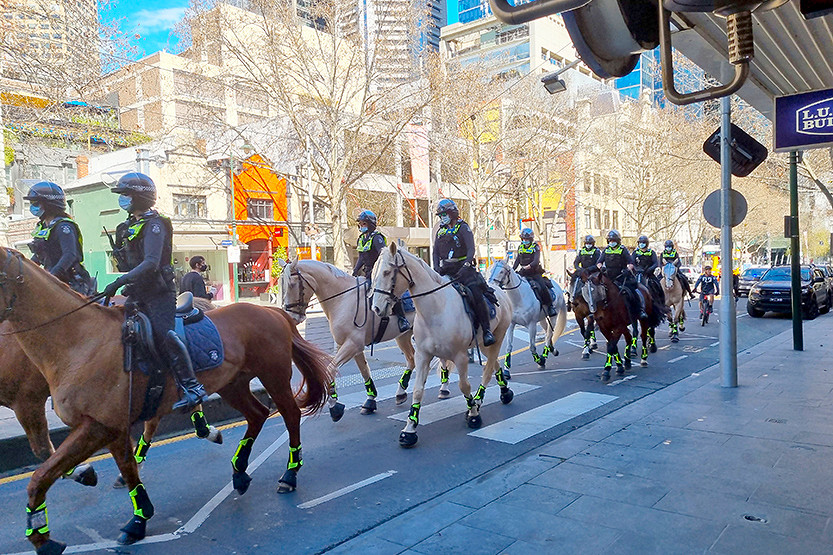

The City of Melbourne has bolstered its focus on city safety in its draft strategic Council Plan, with some councillors calling for a crackdown on protests.
At the August 19 Future Melbourne Committee (FMC) meeting, the council mooted its draft plan to deliver “healthy, safe and connected communities”, and advocate for measures to be brought in that reduce disruption caused by protests.

The council called for a coordinated review across all levels of government to establish a framework that safeguards the right to protest but reduces disruption. However, this became a point of contention at the meeting.
The portfolio head for Aboriginal Melbourne, Cr Dr Olivia Ball, said, “I am very concerned about the idea that protest cannot disrupt.”
Cr Dr Ball said that the very point of protest is to disrupt and that she could not support anything that infringed on this right.
However, the council broadly supported addressing the disruptions protests can cause.
At the meeting, the portfolio head for safety and cleaning, Cr Rafael Camillo, said, “We need stronger engagement with state and federal government to find better ways that allow us to maintain the right of people to protest in a way that minimises disruption to the city life.”
“We need to be able to ensure residents, businesses and visitors can continue to go about their daily life in a safe and secure manner,” he said.
Deputy Lord Mayor Roshena Campbell believes that there needs to be a “balancing exercise”, that protects both people’s right to protest and people using the city, particularly for traders and elderly and disabled people.
“[Melbourne] has been disrupted by weekly protests for almost two years, protests that are having a real impact on businesses who are losing essentially one day of trade every week,” Cr Campbell said.
The focus on city safety within the strategic plan saw a fault line re-emerge over the council’s approach, with Cr Dr Ball questioning whether the investment in security cameras and security guards was an appropriate use of council funds.
“Council has promised $2.1 million for new CCTV cameras and $ 2 million for more boots on the ground in this year alone,” she said. “This is a shocking misuse of public money.”
However, Cr Philip Le Liu disputed Cr Dr Ball’s critique and said that the investment in city safety was of paramount importance.
If people cannot walk into the city safely, if people do not feel safe … we have failed a fundamental job that the city should be doing, he said.
Despite the division over city safety and protests, the draft strategic plan was widely supported, with all councillors in favour apart from Cr Owen Guest who abstained from voting.
The Council Plan is one of the City of Melbourne’s key strategic documents that outlines its commitment to the community, what the council seeks to achieve and how it proposes to achieve the plan’s objectives.
As a part of the plan, the council has committed to six strategic priorities: “governing for our future”, “healthy, safe and connected communities”, “living sustainably”, “vibrant and creative Melbourne”, “leveraging our economic strengths” and “building a city for people”.
The draft plan will now undergo community consultation before the final plan is voted on at the October 21 FMC meeting. •
Buy our Journalists a coffee
Support our dedicated journalists with a donation to help us continue delivering high-quality, reliable news


Related Articles
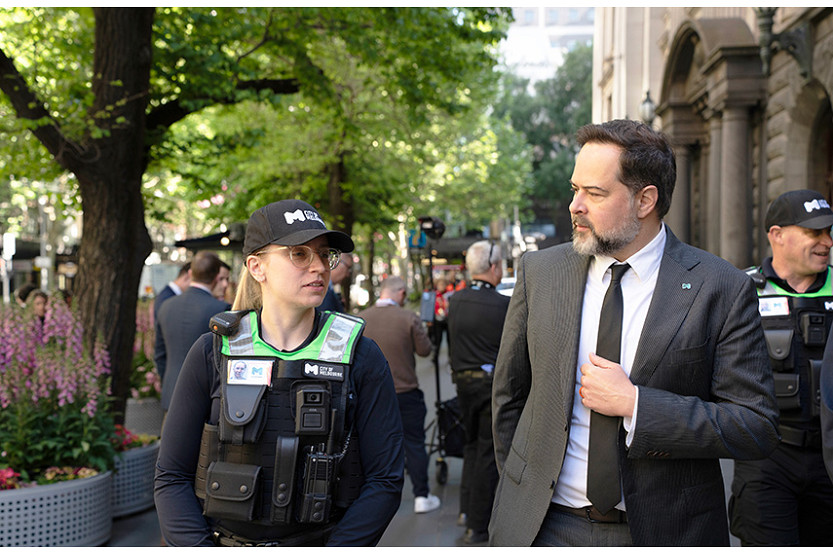
Camillo says council delivering on safety and cleaning
Two years into the current council term, City of Melbourne safety and cleaning portfolio lead Cr Rafael Camillo says Town Hall has moved beyond “talking about the problems” and is delivering practical responses to the issues that dominated the 2024 election.
Read More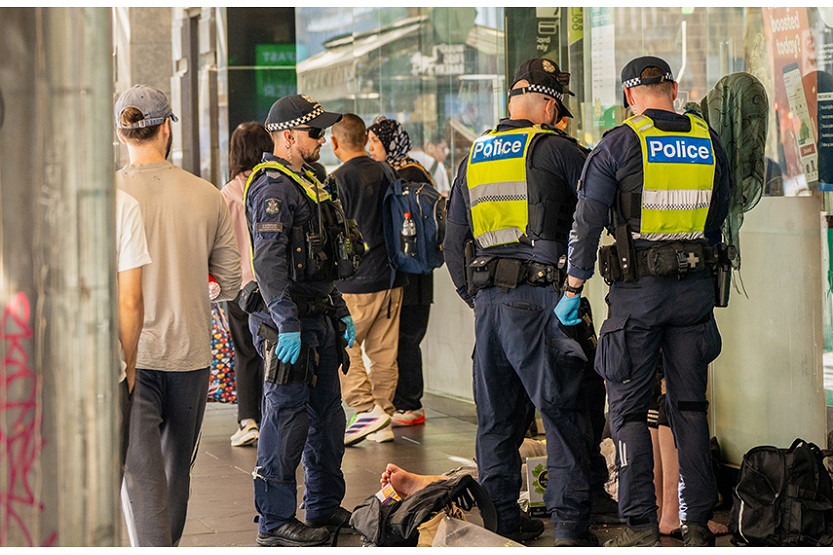
Operation Harmony nets 55 arrests as police maintain boosted CBD presence
Victoria Police says its expanded Operation Harmony has already led to 55 arrests in Melbourne’s CBD, with the month-long policing surge being credited with helping prevent further crime and improving safety in the city.
Read More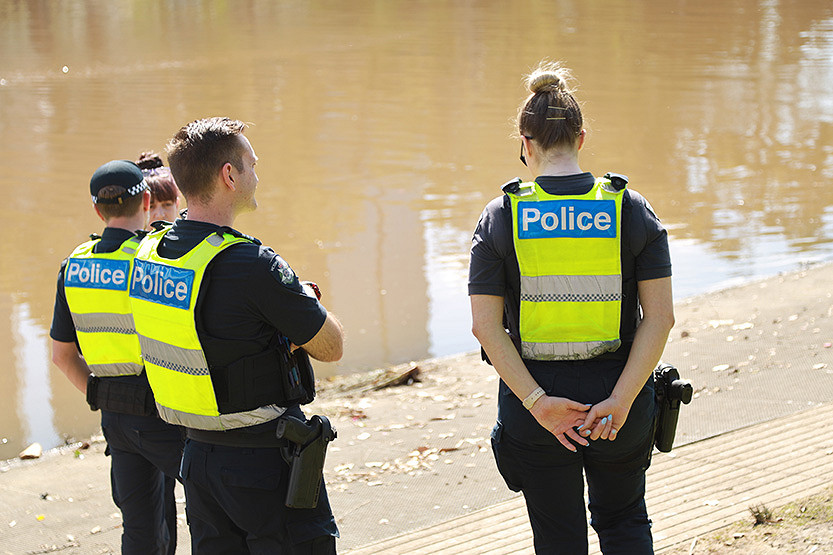
Police boost CBD presence as Operation Harmony expands
Victoria Police has significantly expanded its visible presence in Melbourne’s CBD, with the latest version of Operation Harmony now delivering almost double the daily number of officers patrolling the city.
Read More
Who actually pays Victorians the most for solar

EastEnders to host Lord Mayor and Deputy Lord Mayor

 Download the Latest Edition