
Council aims to double the number of houses in the city by 2051
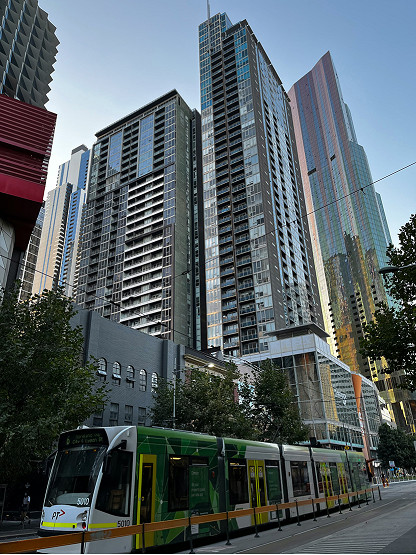

The City of Melbourne aims to double the number of homes within the municipality over the next 25 years. However, councillors have raised concerns about the feasibility of this goal.
By 2051, the City of Melbourne aims to have delivered 119,500 homes, doubling the current housing stock, which has taken more than 150 years to build.
According to a council report tabled at the September 16 Future Melbourne Committee (FMC) meeting, all scenarios tested to date demonstrate that the Melbourne Planning Scheme has the capacity to meet the Victorian Government’s housing target.
While the council believes this target is achievable, planning portfolio lead Cr Roshena Campbell argued at the meeting that state-level reform was needed to accelerate the number of homes being built in the city.
We know that there are 17,000 dwellings in this municipality that have been approved but haven’t been built, Cr Campbell said.
Cr Campbell noted that based on discussions with developers, high taxes have stymied development and created a challenging environment for building.
“I certainly hope that the state government will have a long and hard look at that, because it is not the case that councils … are the blocker on housing supply.”
In September 2023, the Victorian Government released Victoria’s Housing Statement and identified the need for 2.24 million new homes by 2051.
To achieve this, the Victorian Government set targets for different areas across the state and established areas with looser planning restrictions known as activity centres, including two located in the inner city within the City of Melbourne and the City of Yarra.
The focus of these activity centres is to unlock more development around train and tram corridors, rezone strategic sites, apply newly developed planning controls, and fast-track specific site developments.
However, at the September 16 meeting, the council requested that Lord Mayor Nick Reece write to the Victorian Government seeking clarity on the activity centres and associated housing targets.
The council also requested confirmation regarding the timing and delivery of the future heavy rail connection between Docklands and Fishermans Bend, which was announced in June 2024.
The Department of Transport and Planning (DTP) has proposed that commuters will travel from the soon-to-open Parkville Station to Docklands, before continuing to new stations at Sandridge (Fennell St) and the employment precinct (Salmon St) in Fishermans Bend.
Cr Davydd Griffiths said progress on public transport in Fishermans Bend was a vital part of Melbourne accommodating hundreds of thousands of new residents and visitors.
He added that the housing targets and advocacy for improved public transport were part of a broader suite of initiatives the City of Melbourne was pursuing to prepare the city for the future, noting that the Council Plan was currently in its final stages of development.
The Council Plan is one of the City of Melbourne’s key strategic documents that outlines its commitment to the community, what the council seeks to achieve and how it proposes to achieve the plan’s objectives.
“We’re starting to think about what it really means to plan for Melbourne’s future, the needs of residents, businesses, workers and visitors, and how we deal with the significantly expanded population we can expect to have,” Cr Griffiths said. •
Buy our Journalists a coffee
Support our dedicated journalists with a donation to help us continue delivering high-quality, reliable news


Related Articles
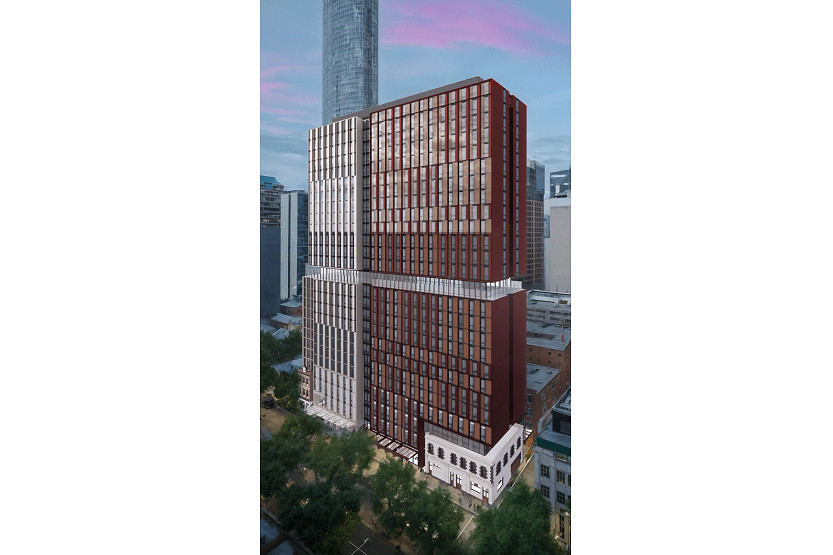
Construction begins on major student tower at 570 Little Bourke St
Construction has officially begun on a major new student accommodation tower at 570 Little Bourke St, with project partners marking the milestone at a ground-breaking and time capsule ceremony in the CBD on March 23.
Read More
Zero affordable homes delivered under central city uplift scheme
Almost a decade after it was introduced with the promise of delivering community benefits, the state government’s central city floor area uplift (FAU) scheme has failed to produce a single affordable housing unit in Melbourne’s CBD or Southbank.
Read More
QVM review process only raising further questions

Farewell CBD News – but not goodbye

 Download the Latest Edition