
Fire Services Museum of Victoria: Keeping watch on our fires
Thanks to its venerable old building and dedicated volunteers, the Fire Services Museum of Victoria offers visitors time out, a sense of perspective and some learnings about fires and fire safety.
Ian Munro and his fellow volunteers have been keeping a close watch on January’s fires.
“Some of our members are out there on the trucks or in the incident command centres,” he said.
The former firefighter is also tracking the blazes in order to add them to a bushfire map, with this year’s burnt areas to be overlaid with those of Black Saturday, Ash Wednesday, Black Friday (1939) and the 1943-44 fires “hidden under wartime censorship”, among others.
Housed in the 1893-built former headquarters of the Melbourne Metropolitan Fire Brigade, the Fire Services Museum of Victoria is a good place to get perspective on bushfires as well as city blazes and the equipment and organisations involved in fighting them.
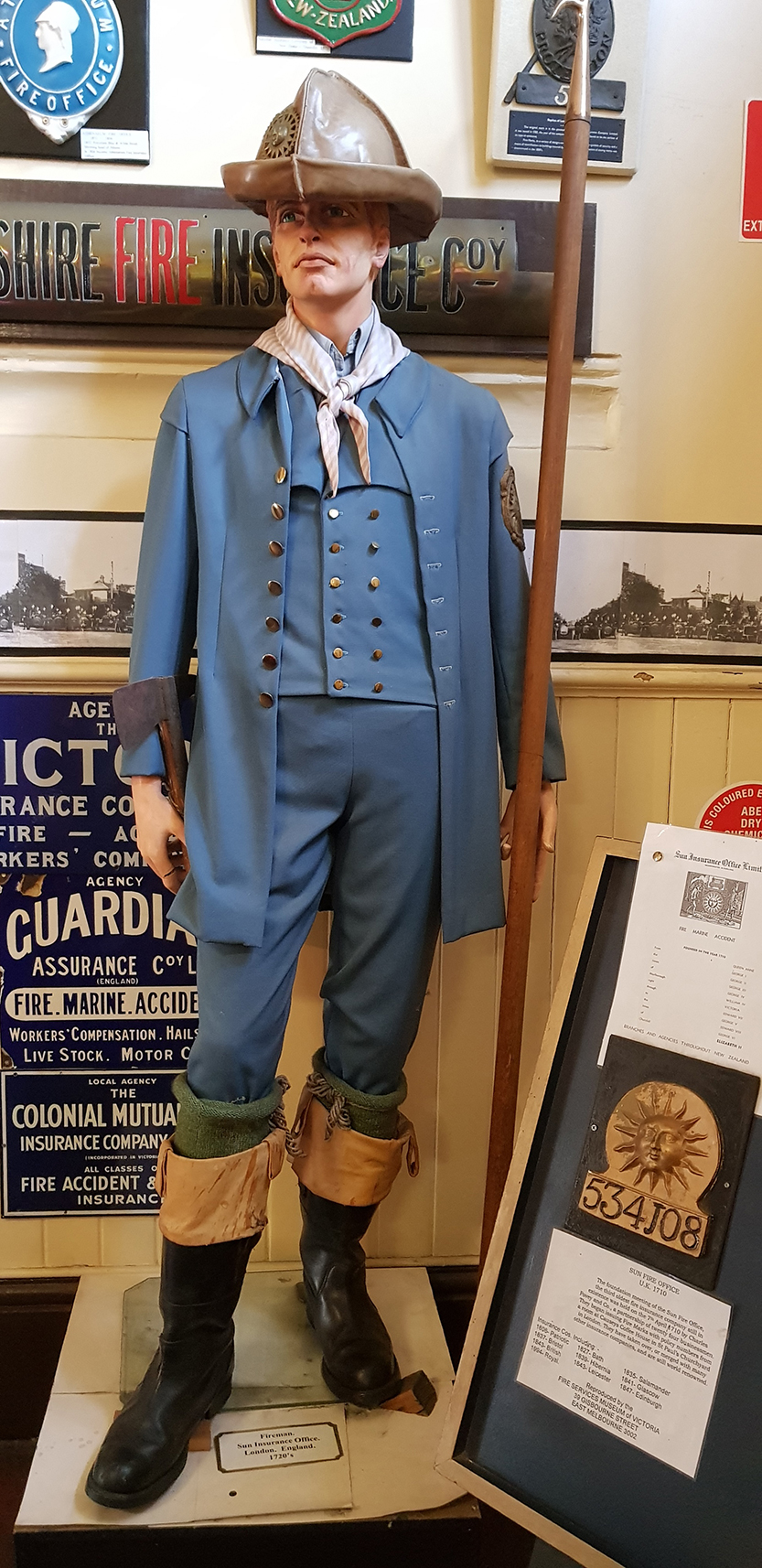
The Gisborne St museum, which still has the look and feel of a 19th century fire station, contains Australia’s biggest collection of fire brigade memorabilia, according to the volunteers who manage it, including helmets and uniforms from around the world dating back to the 1700s.
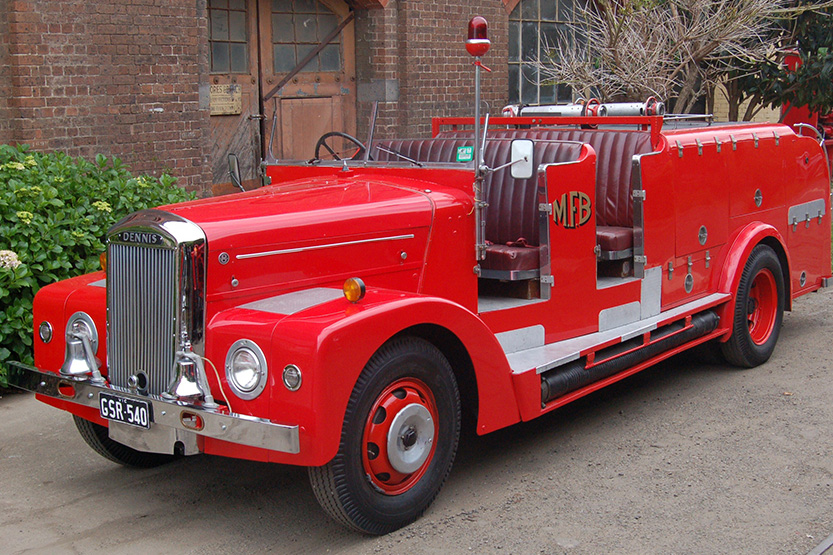
Among its display of vintage vehicles is a fire truck that began life as Dame Nellie Melba’s limousine.
The 1911 Pierce Arrow was purchased in the US, Ian said, and after being sold by the singer to the state’s fire service it was built up as a fire truck, known as “the Melba Pump”, which ran until 1940.
Also on view is a 1938 country service Dodge and an 1890s wagon-style “hand pumper”.
A collection of historic photos and miscellanea includes a series of letters to newspapers – from 1890, 1944 and 2019 – that show that changes to the management of Victoria’s fire services have always attracted controversy.
While that fact hasn’t changed, the equipment and communications for fighting and preventing fires has undergone a revolution.
At the back of the museum is a 45m tower, once staffed around the clock with spotters scanning the horizon for signs of smoke.
When they saw it, they would ring down to the watch room, where staff called the nearest fire station, prompting firefighters to “hitch up the horses and gallop out”, Ian said.
In the wood-panelled watch room you can see – and hear – how the process worked when a street alarm was sounded, with a system of clocks coding the location of the signal.
As well as learning about the old days at the museum, you are likely to be treated to some lively patter.
Ian, who spent 35 years at the Metropolitan Fire Brigade, joked that his feet still glowed in the dark from the nights he spent at Coode Island.
Millions of litres of chemicals burned just a few kilometres from the CBD in the 1991 disaster, which launched a giant black toxic cloud over the city and neighbouring suburbs.
Ian also jokes about the 1897 Great Fire of Melbourne, which burned out the city block north from Flinders to Elizabeth streets, suggesting that the Young & Jackson’s publican shifted his stock into St Paul’s Cathedral for safekeeping.
For more “lively” fire stories visit the museum at 39 Gisborne St, East Melbourne on Thursdays, Fridays and Sundays. •
This feature is supported by Hidden Secrets Tours Melbourne.
Buy our Journalists a coffee
Support our dedicated journalists with a donation to help us continue delivering high-quality, reliable news


Related Articles
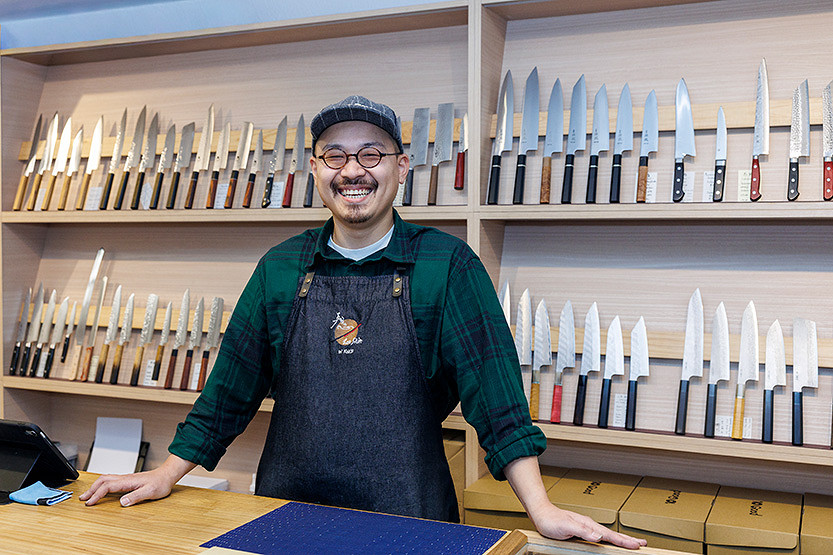
There’s happiness in a sharp, handmade blade
Little Collins St business Zan Shin marks its first anniversary in August. The shop’s owner and manager say its Japanese knives and knife-sharpening service can bring customers fun and happiness. Hundreds of five-star reviews suggest they may be right.
Read More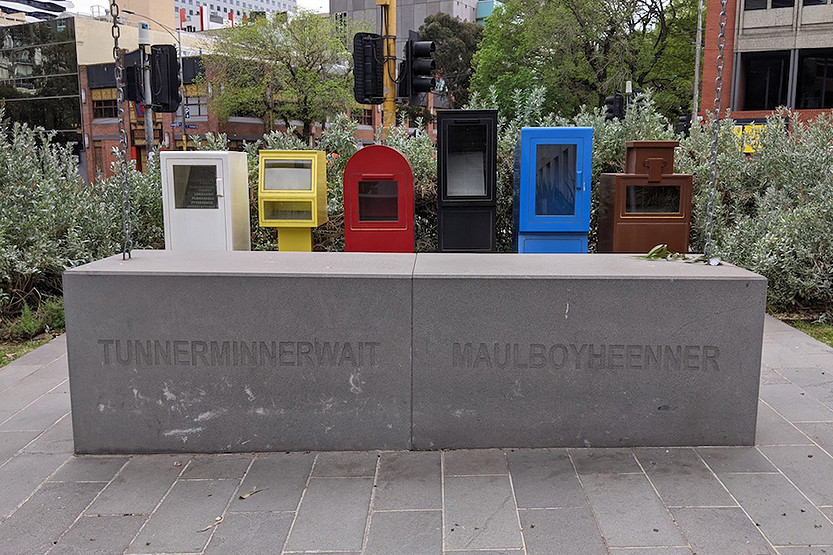
Frontier wars memorial in the heart of the city
Tucked into a tiny pocket of native trees, shrubs and plantings on one of Melbourne’s busiest corners is a surprising monument.
Read More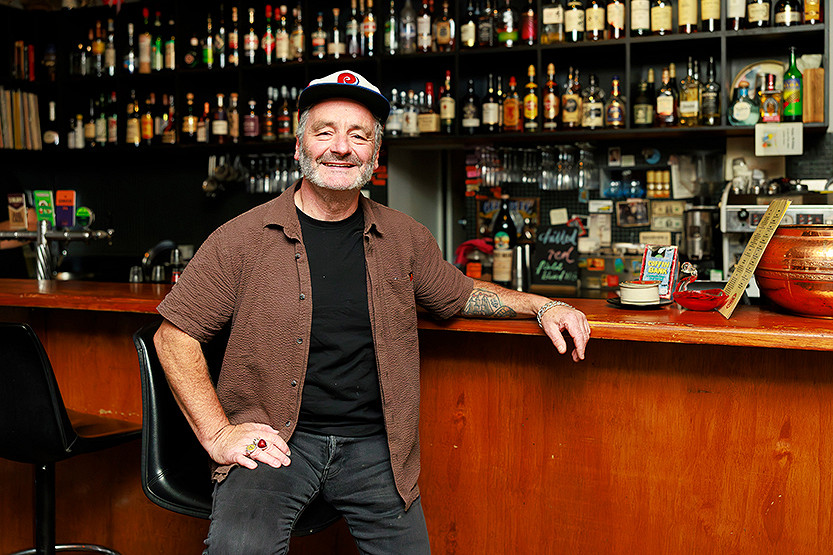
A bar, a laneway and 25 years of city life at Hells Kitchen
When Melbourne pub rockers-turned-stadium band Amyl and the Sniffers had their show cancelled and famously donated their $35,000 fee to the patrons of seven local music venues, Hells Kitchen was one of them.
Read More
Who actually pays Victorians the most for solar

EastEnders to host Lord Mayor and Deputy Lord Mayor

 Download the Latest Edition