
Food relief motion passes after turbulent week for council and Salvation Army

A City of Melbourne push to shore up after-hours food relief has received overwhelming support from councillors following a turbulent week of public debate over the future of the Salvation Army’s central-city services.
Lord Mayor Nick Reece’s motion passed the Future Melbourne Committee 10 votes to zero on August 18, with Cr Phil Le Liu abstaining, and will now return to the full council because the committee cannot authorise the proposed budget changes.
The motion would double the council’s 2026-27 allocation for food security initiatives from $250,000 to $500,000 and establish a procurement process for an after-hours meal service, continued operation of the Melbourne Food Rescue Network and longer-term food relief partnerships.
It followed a week of significant media attention after Salvation Army Project 614 leader Brendan Nottle publicly questioned the future of its Night Time Cafe and criticised an unfulfilled $6 million election commitment made by Cr Reece in 2024.
The Lord Mayor’s “homelessness package” pledge included $6 million to the Salvation Army and a further $3.2 million to Melbourne City Mission, none of which have been delivered. Cr Reece acknowledged in an article by The Age that he made a mistake in promising funds prior to going through a tender process.
Mr Nottle since told 3AW: “it actually feels to me like there is a push to starve the most vulnerable out of the city.”
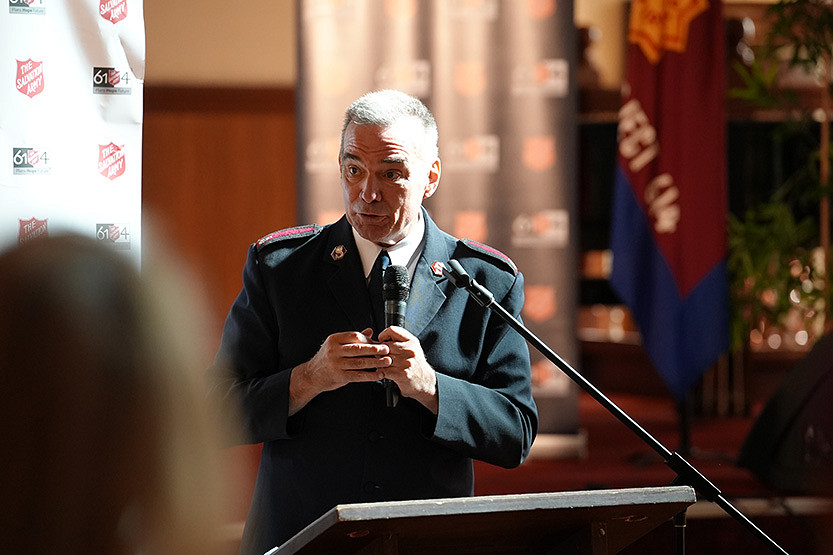
The Salvation Army’s Melbourne leader was the first public submitter at Tuesday night’s meeting, telling councillors the issue went well beyond providing meals to around 200 people each night.
“It’s actually not about dollars,” Mr Nottle said. “It’s about 200-plus people a night that will be going without not just a meal, but wraparound support.”
These are the people that we see around the city. They’re not a problem. They are not an issue to be removed or moved on. They are human beings that need intensive support.
The original motion proposed a $109,000 bridging grant directly to Project 614. However, amendments agreed on the night instead asked management to explore options to continue the Night Time Cafe After Hours Program for up to another three months, or until the new food relief service begins, subject to legal, procurement and contractual requirements.
Another amendment added consideration of the impact food relief services have on local amenity and safety, and a provider’s ability to manage those impacts.
That reflected concerns raised by CBD resident Lyn Gazal, who lives opposite the Salvation Army in Bourke St and told councillors she had experienced abuse, people sleeping around her building and other amenity problems.
But council meeting regular Chris Thrum said the city should recognise how important it was to continue to support the Salvos.
"Everyone here is familiar with the Salvos. We know the great work that they've done for decades. And so this is a time where I think we can show some TLC to the Salvos."
Mr Nottle’s appearance came after tensions between the Salvos and Town Hall spilled into public view, placing considerable pressure on the council to clarify what would happen when existing arrangements end.
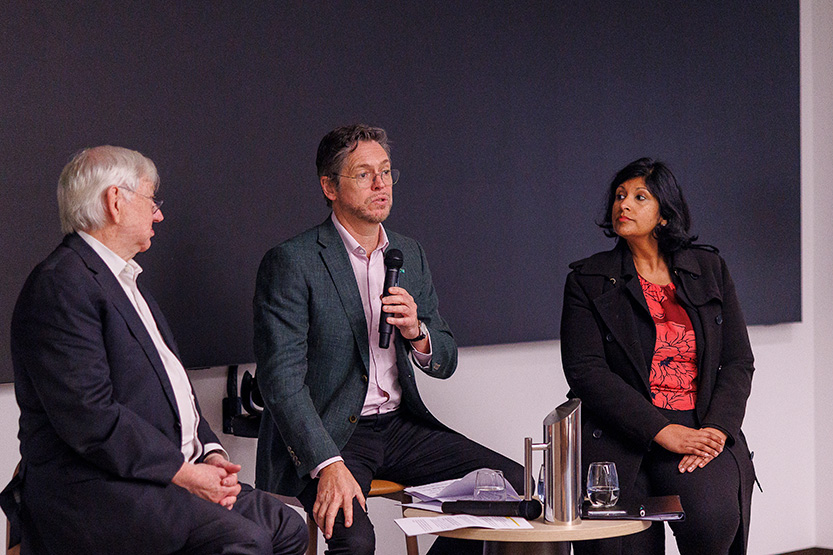
Cr Reece said the motion addressed a gap that had emerged despite the council’s recently expanded $2.3 million homelessness service package.
“While the new arrangements with VincentCare will deliver more help, more care, more meals than ever before, as we have heard, there is a gap that has been identified in after-hours meal services,” he said.
Several councillors nevertheless raised governance and budget concerns.
Cr Owen Guest supported the motion but reserved his position ahead of next week’s council meeting, arguing councillors were being asked to commit money before receiving detailed advice about how it would be funded.
Cr Le Liu, who ultimately abstained, questioned whether the motion should explicitly require a “hot” after-hours meal, prompting an extended exchange over whether doing so would unnecessarily restrict seasonal meal options.
Council officers advised that the broader wording would allow nutritional requirements to be determined through procurement.
Cr Olivia Ball said, “It probably won't surprise anyone to learn that food is a human right. And what we may not understand but should, if we had any human rights education, is that governments are obliged to use the maximum available resources to fulfil their human rights obligations.”
“Everything above and beyond that is a nice to have,” she added.
The amended motion also calls for the Victorian Government to match council funding and requires management to identify possible organisational savings before the matter returns to council.
Buy our Journalists a coffee
Support our dedicated journalists with a donation to help us continue delivering high-quality, reliable news


Related Articles
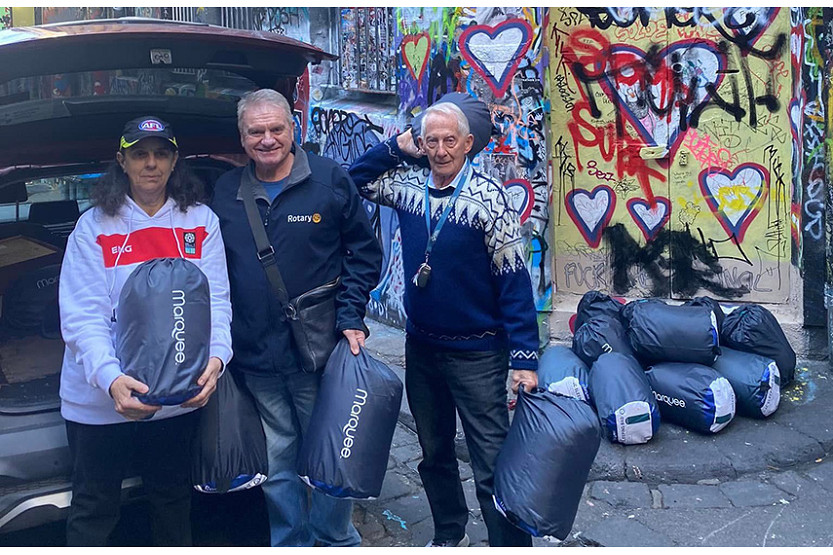
Rotary delivers winter warmth to people sleeping rough
Rotary Central Melbourne has delivered 228 winter-grade sleeping bags to help people experiencing homelessness stay warmer and safer during the colder months.
Read More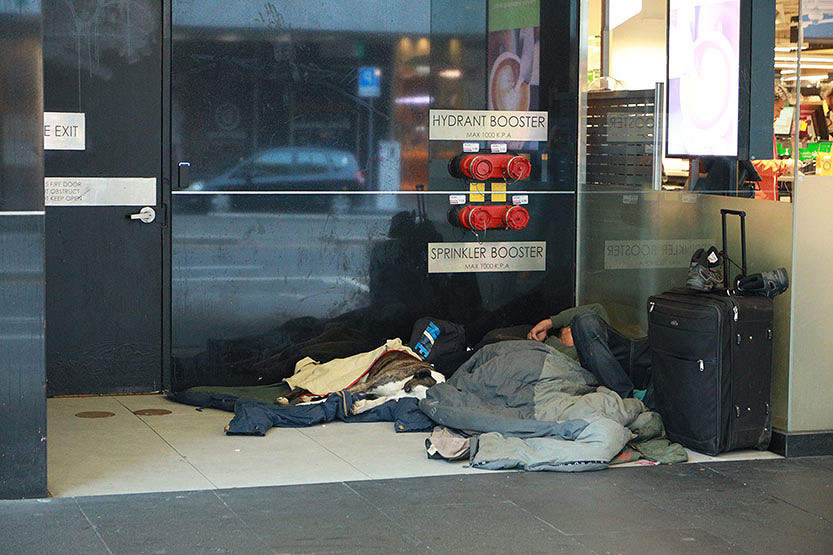
New members appointed to advise council on homelessness
The City of Melbourne has refreshed its Homelessness Advisory Committee (HAC), appointing three new members to help guide policy and practice as the city confronts rising demand for support services.
Read More
CBD resident urges council to hold faith-based organisations accountable in combating homelessness
Jake Land is a CBD resident and a former council candidate and adult store proprietor. However, now in retirement, he has shifted his energy into a campaign calling for churches in Melbourne to do more to address the homelessness crisis.
Read More
Who actually pays Victorians the most for solar

EastEnders to host Lord Mayor and Deputy Lord Mayor

 Download the Latest Edition