
Legal challenge lodged against six-month police search zone covering Melbourne CBD


A legal and constitutional challenge has been filed in the Federal Court against Victoria Police’s decision to declare the entire Melbourne CBD and surrounding suburbs a “designated area” for six months, granting officers unprecedented stop-and-search powers across the city.
The action has been brought by community organiser Tarneen Onus Browne and veteran peace activist Benny Zable, represented by the Human Rights Law Centre, after Assistant Police Commissioner Russell Barrett authorised the changes.
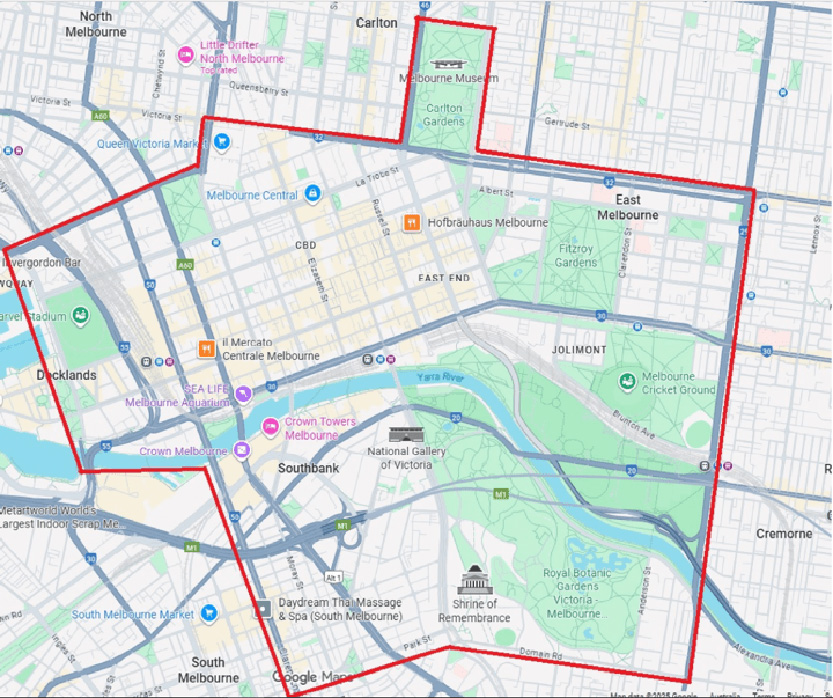
Under the declaration, CBD, Docklands, Southbank and the sporting and entertainment precinct and parts of East Melbourne and South Melbourne as a “designated area”. This gives protective services officers (PSOs) the power to stop and search anyone – without a warrant or reasonable grounds.
Searches may involve an electronic wand or a pat-down and people may be asked to remove outer clothing and to empty bags or pockets. Vehicles can also be searched.
Tarneen Onus Browne said the decision threatened the rights and safety of everyone entering the CBD.
“I’m worried about the impact of these extra police powers not just on Blackfullas, but on anyone who comes into the CBD. This is about all of our basic human rights and safety in our city.”
Onus Browne, who has organised Invasion Day rallies for a decade, said the decision conflicts with Victoria’s commitments to Treaty and truth-telling.
“What does it say that Victoria has just signed a Treaty but are now expanding the powers for police to harm us and stop us from speaking up about our history and resistance?”
They said the designation would deter First Nations people and allies from attending the protest and undermine public health advice encouraging mask-wearing.
Performance artist Benny Zable, known for his “Greedozer” protest costume, said he had already been told to remove his mask at previous designated-area protests.
I’m worried that police will now have more powers to use more violence against me, as well as other people who wear masks for all sorts of reasons, including vulnerable people.
Civil liberties groups warn the powers are “ripe for abuse”, particularly for communities already disproportionately targeted by police.
New data from the Centre Against Racial Profiling shows higher rates of searches and use of force against Aboriginal, African, Middle Eastern and Pacific Islander communities.
Advocates also fear the powers will restrict peaceful protest, especially ahead of the annual Invasion Day rally on January 26.
The Human Rights Law Centre argues the six-month designation is unlawful because it is not “necessary” to address the risk of weapons offences.
The challenge also claims the powers breach multiple rights under the Victorian Charter, including freedom of assembly, privacy, non-discrimination and freedom from arbitrary detention.
A further argument alleges the face-covering powers are unconstitutional at protests because they interfere with the implied freedom of political communication.
Human Rights Law Centre legal director Sarah Schwartz said the challenge sought to curb “ever-expanding” police powers.
“The powers to stop and search anyone in the city for the next six months, for no reason, are extraordinary and ripe for abuse.”
She said peaceful protest remained vital to democracy and must be protected.
Buy our Journalists a coffee
Support our dedicated journalists with a donation to help us continue delivering high-quality, reliable news


Related Articles
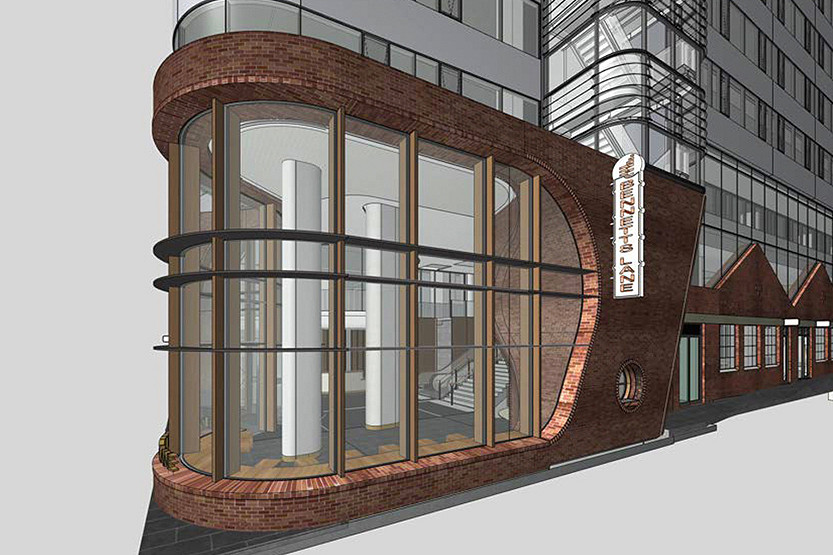
Bennetts Lane signage fight heads to VCAT as council defers decision
A planning dispute over signage at an iconic Bennetts Lane site in the CBD has now spilled into VCAT, with the City of Melbourne deferring formal consideration of the application while discussions continue between council officers and the applicant.
Read More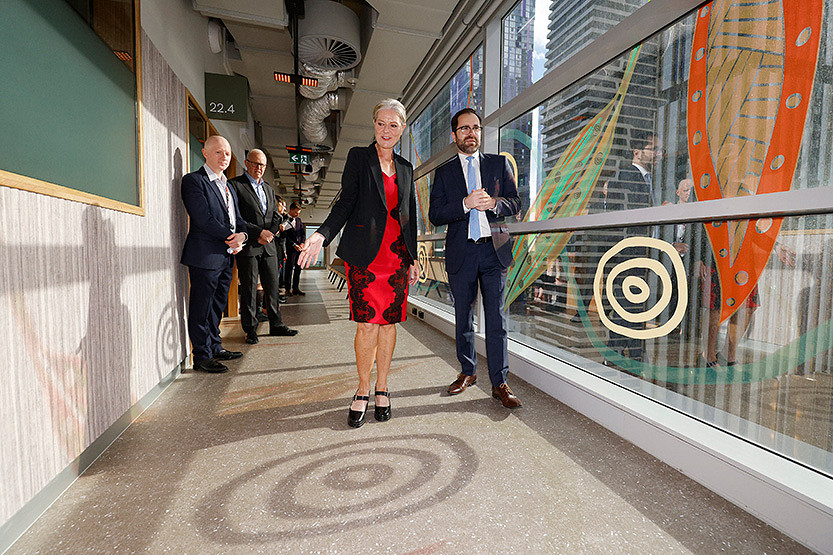
New VCAT headquarters opens at 308 La Trobe St
Victoria’s civil and administrative tribunal has officially opened its new CBD headquarters at 308 La Trobe St, with the state government saying the move will help reduce wait times and make justice services easier to access.
Read More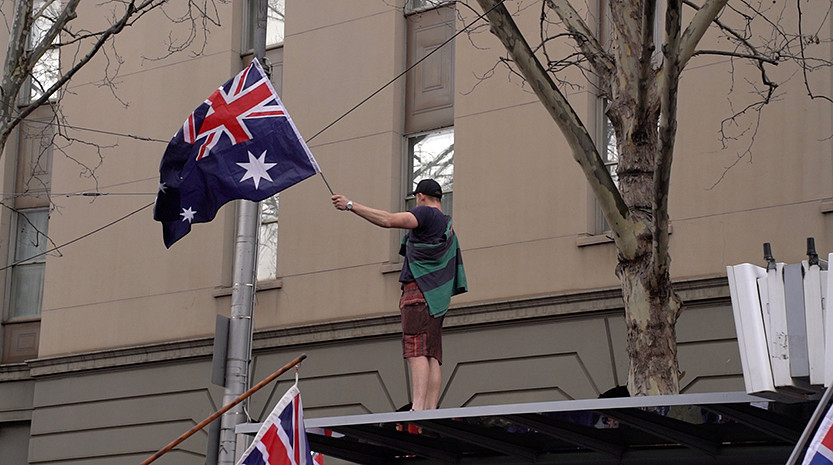
Win for protesters as Federal Court rules against CBD police search powers
A legal challenge of special police powers to stop and search people in Melbourne's CBD and surrounds has ended with a significant victory for the protesters who brought the case, leaving future use of the powers uncertain.
Read More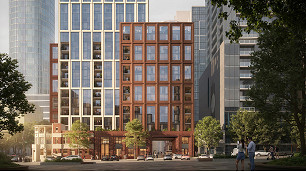
Kilkenny Inn site set for new chapter as council backs bigger residential tower
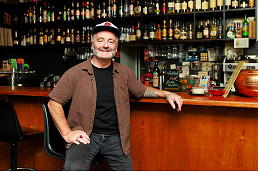
A bar, a laneway and 25 years of city life at Hells Kitchen

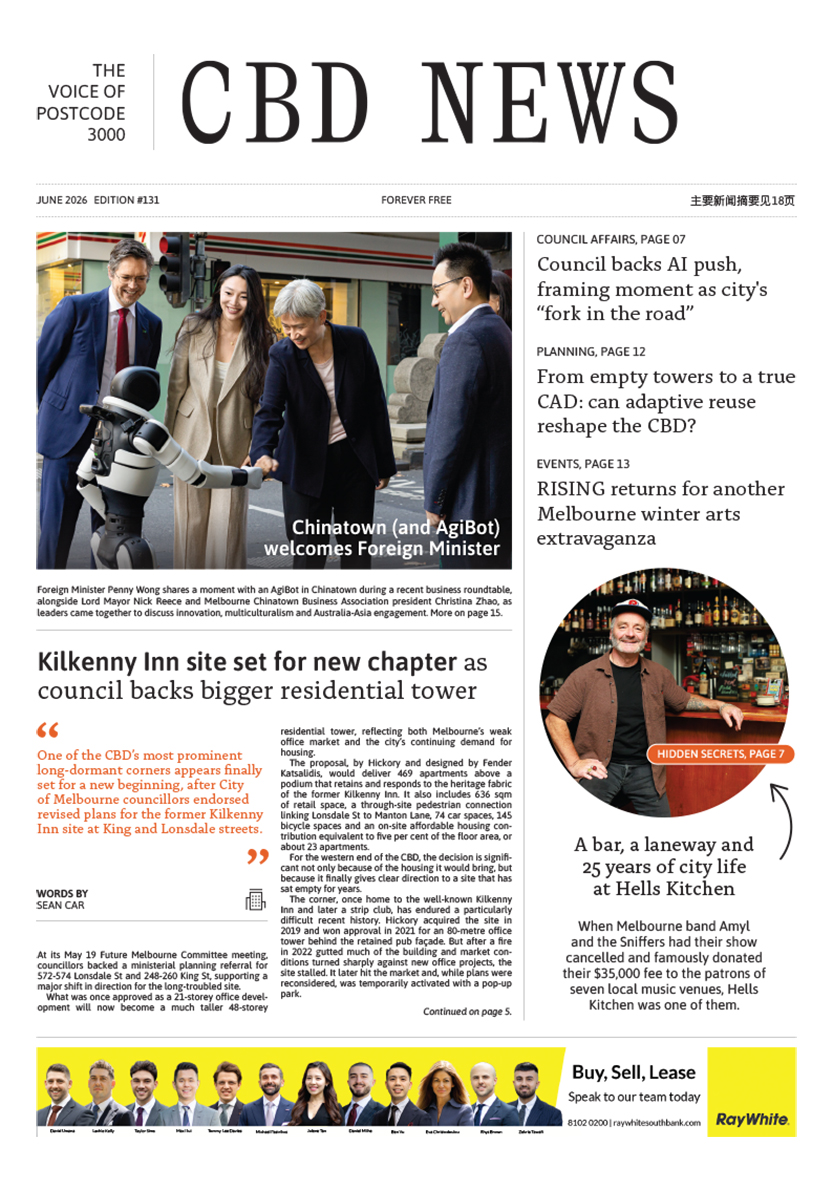 Download the Latest Edition