
Melbourne’s global health partnership puts local policy in the spotlight
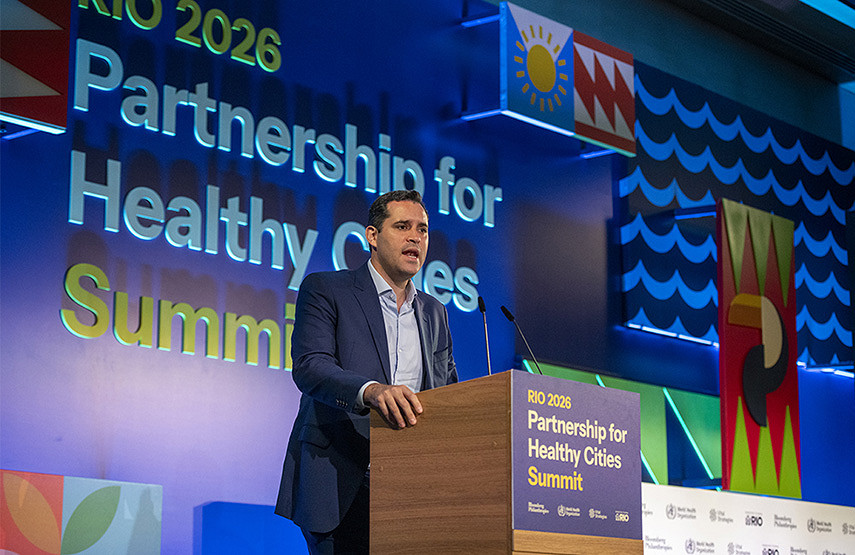

The City of Melbourne’s quiet but increasingly influential role in a global public health network is helping shape some of the most practical policy responses now emerging across the municipality, from smoke-free zones to food relief and a pushback against junk food advertising.
Melbourne is currently the only city in Australia and New Zealand that is part of the Partnership for Healthy Cities, a global network of 74 cities supported by Bloomberg Philanthropies, the World Health Organization and Vital Strategies.
The initiative is focused on tackling non-communicable diseases such as cancer, diabetes, heart disease and chronic lung conditions, which together cause nearly 46 million deaths worldwide each year.
The premise is simple: with more than half the world’s population now living in cities, local governments have a major role to play in shaping healthier environments and communities. Each city in the network focuses on one of 15 proven actions designed to reduce disease and improve public health.
For Melbourne, that work has already translated into a series of concrete local initiatives over the past several years.
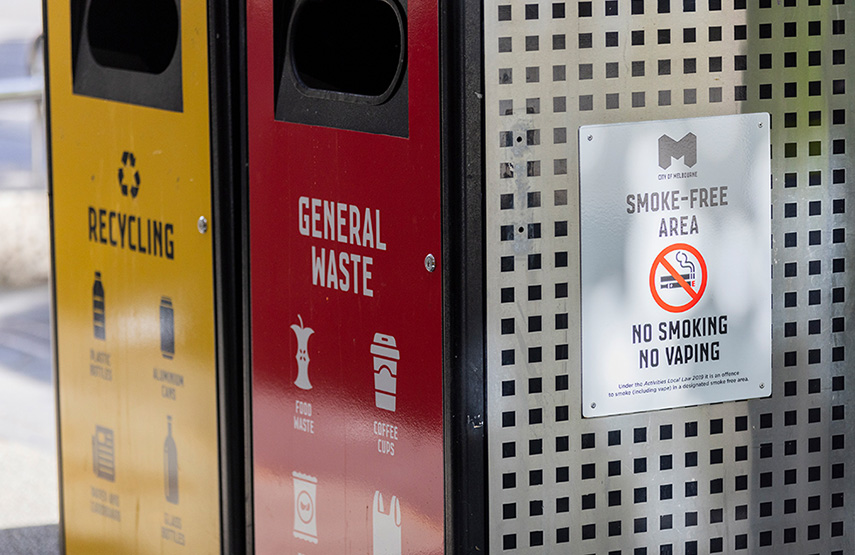
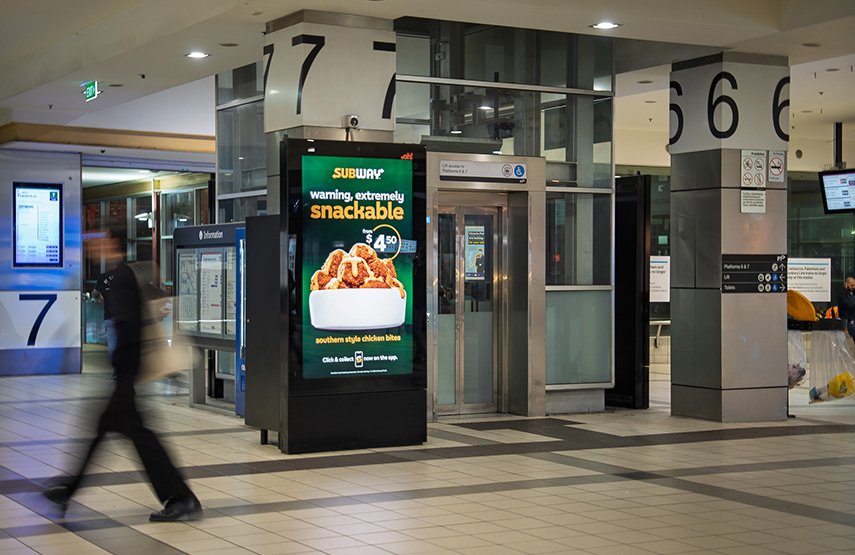
Among them have been the city’s Smoke-free Melbourne policy between 2019 and 2021, a multilingual COVID-19 Community Support Directory in 2020, a mini-grants program during the pandemic that included public hand sanitiser stations, and a review and refresh of the city’s food policy that culminated in the release of Food City 2024–34. More recently, the city has completed an audit of unhealthy product advertising across major transport hubs and developed an advocacy toolkit aimed at reducing unhealthy advertising across the municipality.
The council also recently took part in the Partnership for Healthy Cities Summit in Rio de Janeiro, where Melbourne joined more than 50 other cities to share ideas, compare policies and learn from other urban centres tackling similar health challenges.
Lord Mayor Nick Reece said the city’s involvement in the partnership was helping drive practical outcomes.
“Whether it’s clearing the air from harmful smoke, improving access to healthier food, or cracking down on junk food ads – we’re making Melbourne healthier and more liveable,” he said.
He also linked the work to broader cost-of-living and food security concerns.
No-one in Melbourne should have to choose between paying a bill and feeding their family. That’s why we’re strengthening food relief initiatives and backing communities to grow their own food.
Community and City Services portfolio head Cr Gladys Liu said the partnership recognised a basic truth about urban life.
“The success of a city comes down to the health of its people – that’s why we’re proud to be part of the Partnership for Healthy Cities,” she said.
That work is now increasingly visible in city policy. The council is preparing to consult on expanding smoke-free areas around more than 70 community and recreation facilities, up from 16 currently designated zones, while its updated food policy has strengthened support for food relief and community growing initiatives. The city has also raised concern about the saturation of unhealthy food and drink advertising in major transport hubs, where an audit found that six in 10 food and drink ads promoted unhealthy products.
Ariella Rojhani, director of the Partnership for Healthy Cities at Vital Strategies, said Melbourne’s work reflected the kind of local leadership the network was trying to foster.
“Cities are on the frontlines of today’s most urgent health challenges – and they are also where some of the most effective solutions are being developed,” she said.
“Through the Partnership for Healthy Cities network, we see how local leadership is driving meaningful change, from creating smoke-free environments to improving food systems and reducing exposure to harmful advertising.”
Buy our Journalists a coffee
Support our dedicated journalists with a donation to help us continue delivering high-quality, reliable news


Related Articles
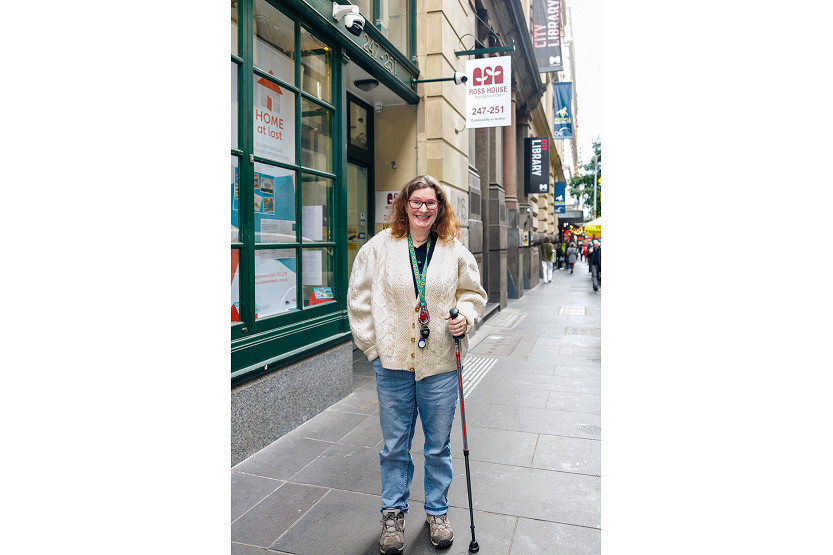
Knowing more about brain injury
Brain injuries can happen to anyone, and while the Melbourne CBD-based self-advocacy organisation Brain Injury Matters (BIM) faces an uncertain future, it wants to see more public education about this type of trauma.
Read More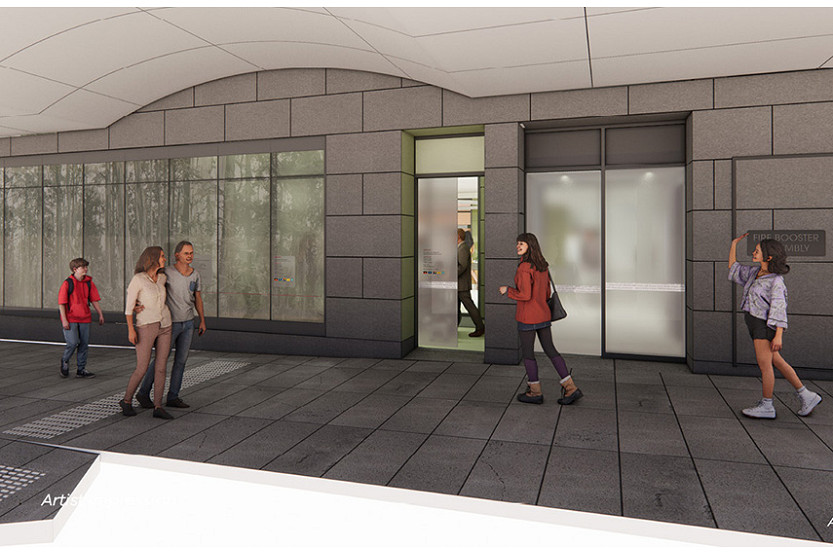
New Flinders St health hub to open later this year
A new community health hub aimed at supporting some of Melbourne’s most vulnerable people is expected to open on Flinders St later this year, as the state government continues to roll out its response to drug harm in the CBD.
Read More
Street Side Medics calls for volunteer GPs at Bourke St clinic
Street Side Medics has issued an urgent call for Melbourne GPs to volunteer at its Bourke St clinic, as demand continues to grow for free primary healthcare among people experiencing homelessness.
Read More
Who actually pays Victorians the most for solar
EastEnders to host Lord Mayor and Deputy Lord Mayor

 Download the Latest Edition