
Knowing more about brain injury
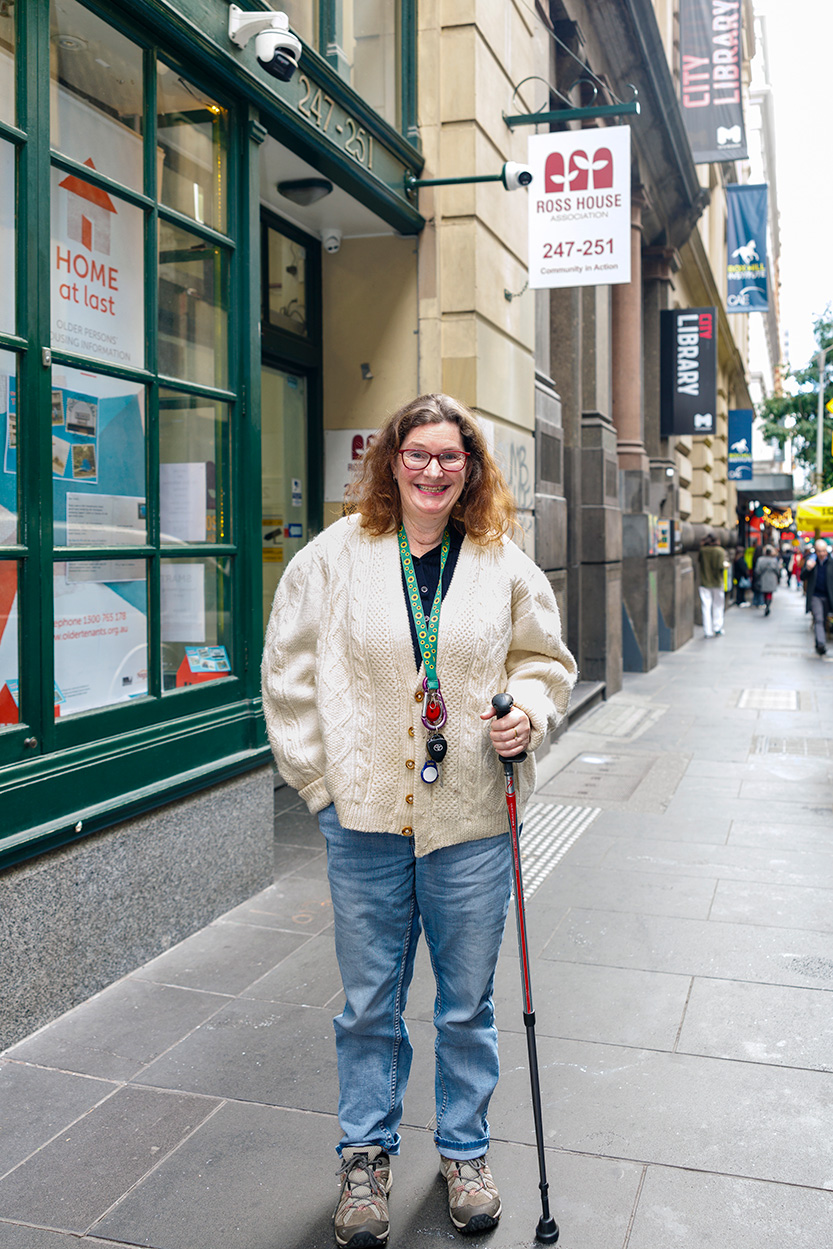
Brain injuries can happen to anyone, and while the Melbourne CBD-based self-advocacy organisation Brain Injury Matters (BIM) faces an uncertain future, it wants to see more public education about this type of trauma.
BIM told CBD News that without adequate, ongoing funding the Ross House-based not-for-profit group struggles to guarantee even the continuation of its vitally important peer support programs.
Nia Giddings was just 18 when she had a car accident that changed her life.
“I was sitting in the back seat, and I flew into the front seat and bashed my head under the steering wheel,” she says.
No-one else was injured in the crash.
The then teenager had amnesia for three months.
She initially lost her speech and couldn’t move her right side.
“You think that you’re the only person this has [ever] happened to,” Nia says, “because it’s not widely known or talked about in the community.”
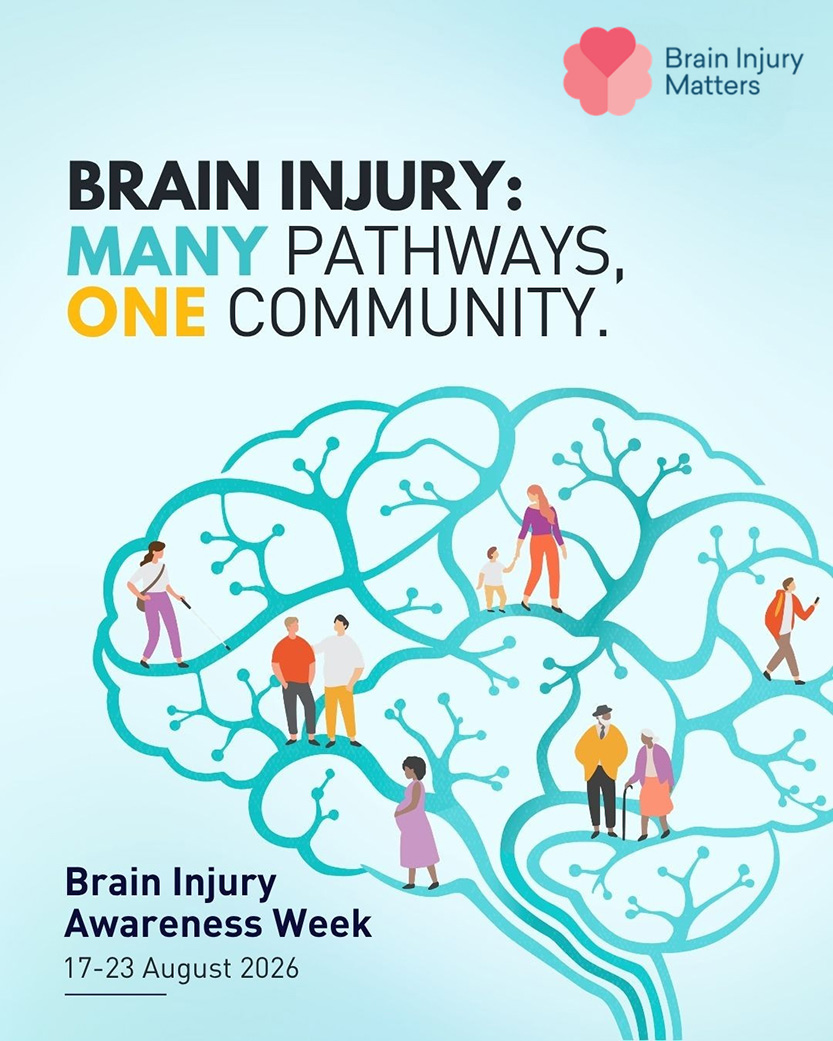
Marked this year around Australia from August 17 to 23, Brain Injury Awareness Week aims to improve that situation.
Its 2026 slogan: “Brain injury: many pathways, one community” refers to the large variety of different types of acquired brain injuries – not just traumatic ones caused by transport accidents or the chronic traumatic encephalopathy (CTE) suffered by footballers – but also those experienced by stroke sufferers and people with degenerative diseases like multiple sclerosis and dementia.
The slogan also reflects the fact that even for people with similar sorts of injuries the impacts are “very individual and unique,” says Nia, who is deputy chair of the Brain Injury Matters committee.
“But we all have a similar journey.”
“We all experience the same fatigue, physical issues and issues with how people treat us. Loneliness is a big issue. You feel isolated and lonely.”
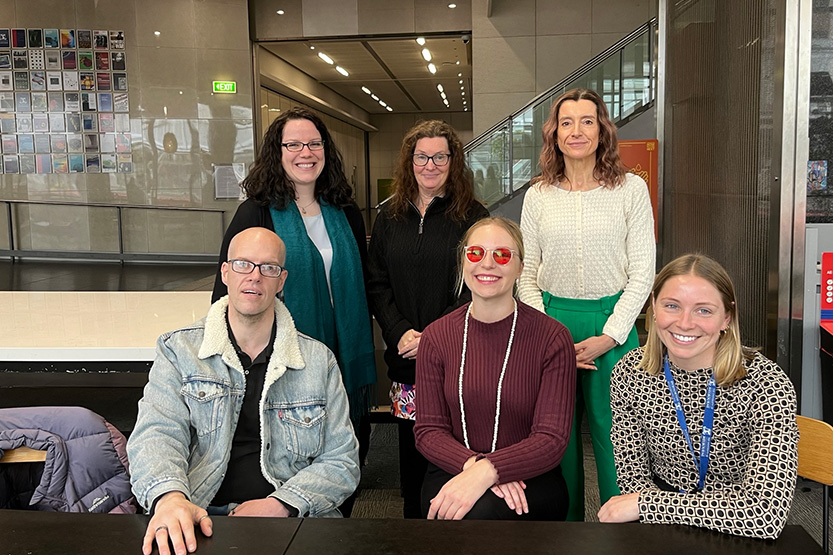
Despite being “pretty banged up” Nia “got on with life as best [she] could” after her accident.
A determined person, she went on to do a Bachelor of Arts in English literature, then a master’s degree in library and information studies, and is these days a working mother with two teenagers.
But issues she experiences with mobility, balance and language mean she is often looked on by people who don’t know her as “a bit of a halfwit,” she says.
“They’re very quick to put me down, which is very, very annoying.”
“And it would be good if there was more education about not judging people as being drunk when they fall over because that’s a common accusation I’ve had all my life.”
Nia noticed a real difference in the way strangers treated her, though, after she started wearing a sunflower lanyard a few years ago.
The lanyard has been adopted internationally as a signal that the wearer has a non-visible disability.
“When I started wearing it, I’d be crossing the road and people started offering me assistance, which was great,” Nia says.
“That doesn’t happen as often as I’d like.”
BIM member and PhD student Nat Linke says brain injury “can happen quickly and can happen to anyone”.
Nat had a cycling accident near St Kilda Rd in 2020 but counts herself lucky to have had a lot of support from her friends and family and workplace and to have suffered an injury that wasn’t as severe as it could’ve been.
A researcher before her accident, she turned her attention to brain matters after it.
“I thought we really need to improve quality of life for people living with brain injury,” she says, noting that the outcomes when people lacked support were often “diabolical”.
People are more likely to be unemployed, have substance use issues, housing insecurity or involvement in the criminal justice system if they have a brain injury.
According to Nat, in Victoria more than 50 per cent of people experiencing homelessness and 42 per cent of men entering prison have a brain injury.
“Not only is that terrible for the individual but it also impacts society as a whole,” she says, noting that locking a person up costs about $150,000 a year.
Her research project, driven by BIM, will look at the “total societal costs” of brain injury in Victoria with a view to “how we can improve the way resources are allocated”.
For BIM member Ross, who lost his job, hobby and social life after a debilitating motorbike crash and then developed depression, what has been crucial in “getting [him] back out into the world” has been the BIM peer support group program.
Its meetings enable people with brain injuries to come together in a relaxed atmosphere and share stories about their issues and dramas which other people won’t necessarily understand.
In his group, “everyone’s there for each other,” Ross says, which has seen him make friends for life.
“If peer support groups like BIM don’t survive, then you can guarantee I wouldn’t survive,” he said.
Developed during COVID and set up with grant money that has long since lapsed, the groups have been “growing and growing” since 2022, Nia says.
There are currently four weekly in-person meetings around Melbourne, two that run online and four new groups in regional Victoria.
While the state government is providing some funding for the latter, BIM is struggling overall, Nia says.
Its existing peer support groups and self-advocacy and research work “can’t run on nothing,” she says.
Meanwhile there is also a real need for ongoing education.
“It’s not that people don’t think about us or don’t care,” Nia says.
“It’s just that they don’t know.”
Buy our Journalists a coffee
Support our dedicated journalists with a donation to help us continue delivering high-quality, reliable news

Related Articles
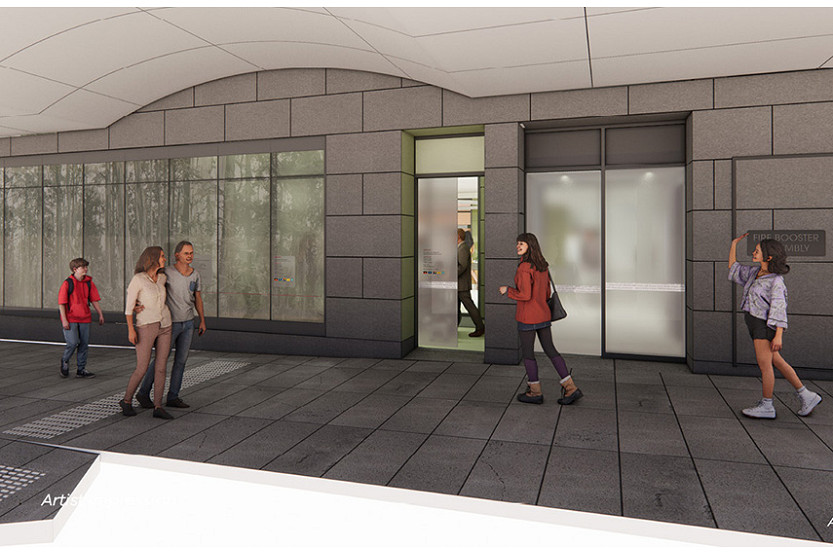
New Flinders St health hub to open later this year
A new community health hub aimed at supporting some of Melbourne’s most vulnerable people is expected to open on Flinders St later this year, as the state government continues to roll out its response to drug harm in the CBD.
Read More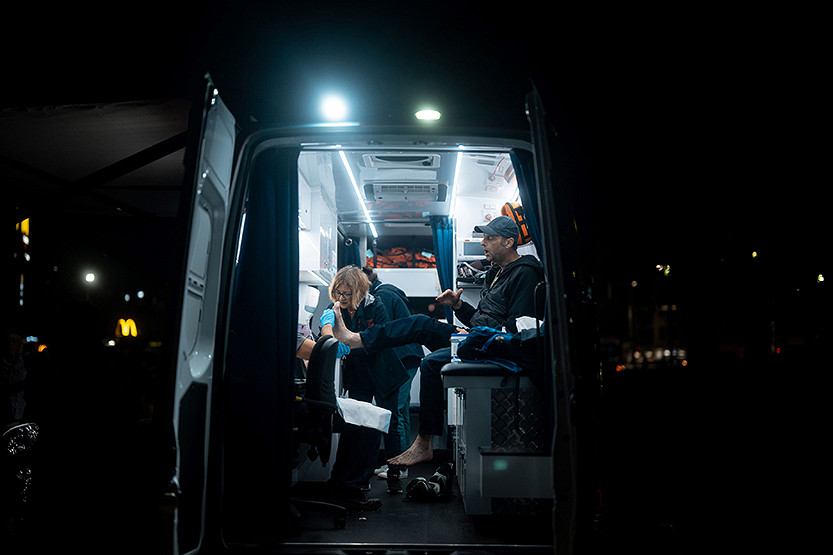
Street Side Medics calls for volunteer GPs at Bourke St clinic
Street Side Medics has issued an urgent call for Melbourne GPs to volunteer at its Bourke St clinic, as demand continues to grow for free primary healthcare among people experiencing homelessness.
Read More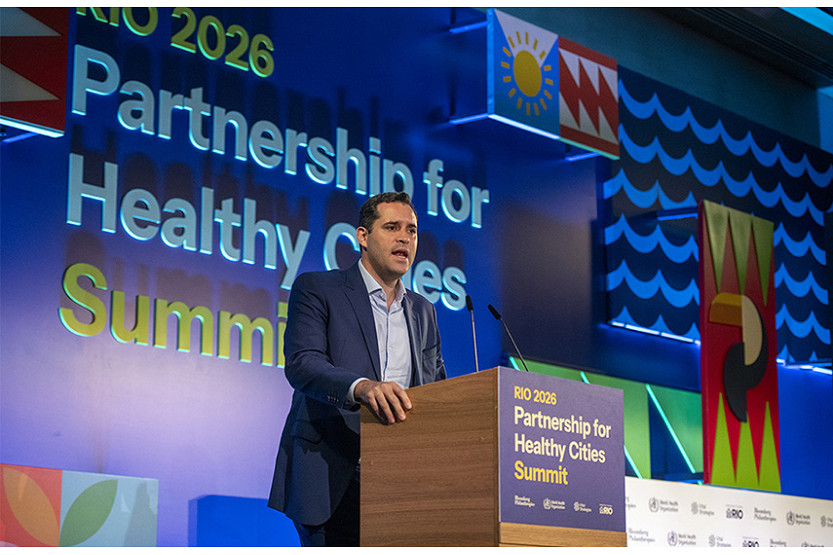
Melbourne’s global health partnership puts local policy in the spotlight
The City of Melbourne’s quiet but increasingly influential role in a global public health network is helping shape some of the most practical policy responses now emerging across the municipality, from smoke-free zones to food relief and a pushback against junk food advertising.
Read More
Who actually pays Victorians the most for solar
EastEnders to host Lord Mayor and Deputy Lord Mayor

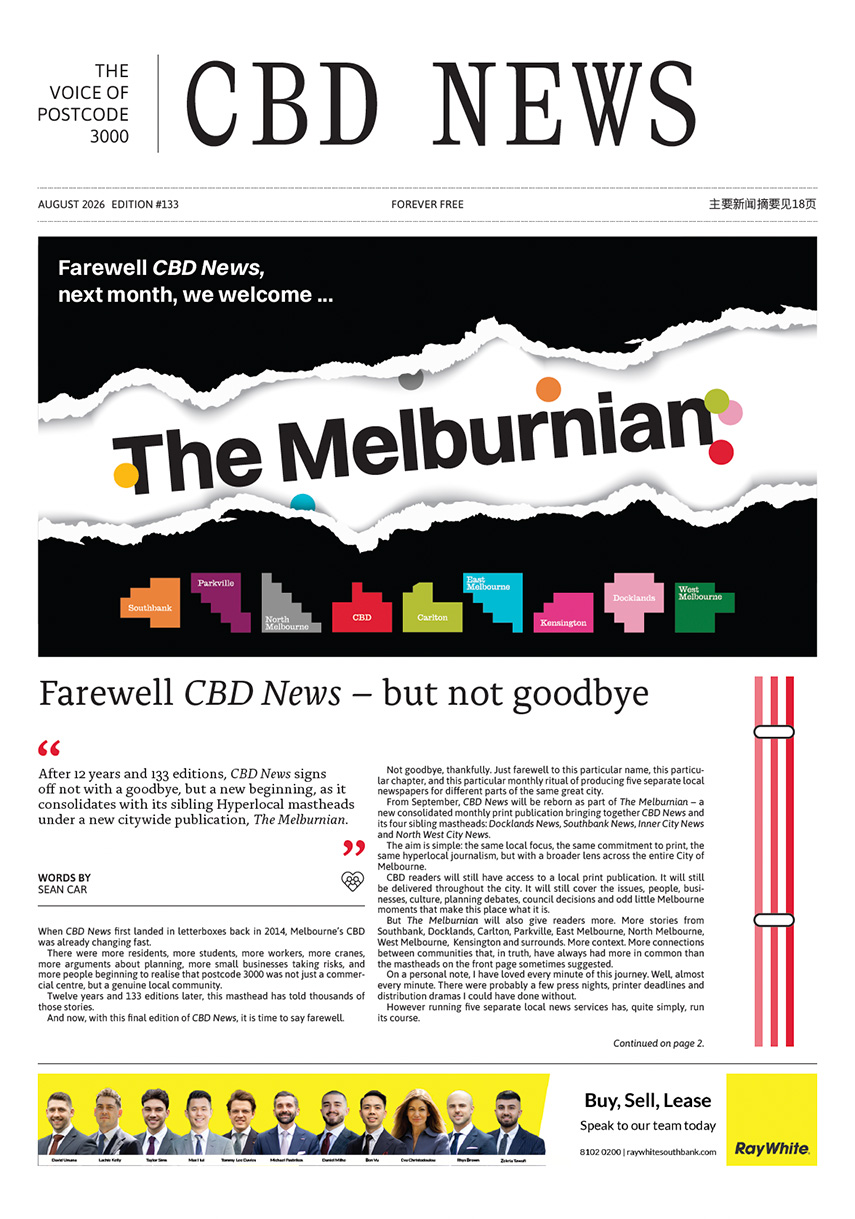 Download the Latest Edition