
Planning needs more than box-ticking

The way we plan and design our city has lasting consequences, and Melbourne’s recent planning history offers some useful lessons.
For some time, the City of Melbourne has operated under planning laws that give the Planning Minister decision-making power over developments exceeding 25,000 square metres. While the council’s views are sought, the Minister is not obliged to agree.
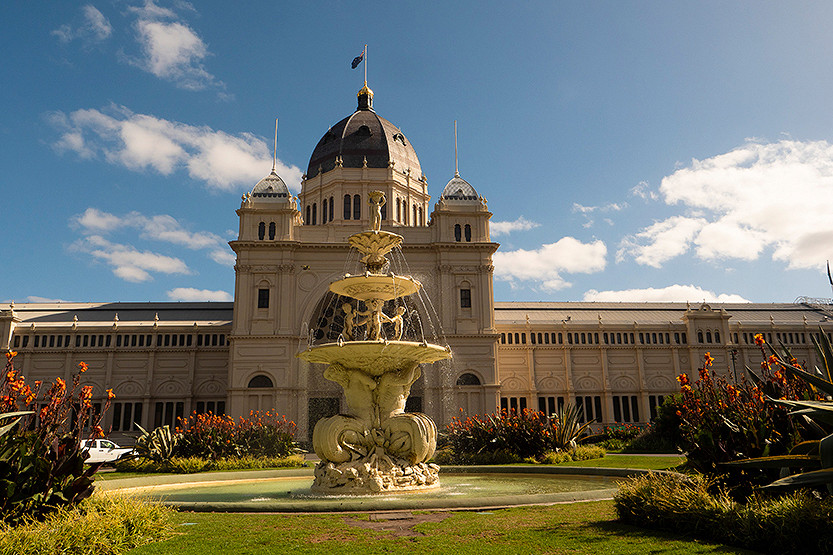
Heritage decisions can also contradict expert advice. Shell House at 1 Spring St comes to mind, as does concern about the impact of Gurrowa Place on Queen Victoria Market. The unoccupied Shangri-La Hotel and Sapphire by the Gardens development in La Trobe St, which significantly affects the UNESCO World Heritage-listed Royal Exhibition Building and Carlton Gardens, is another example many regard as poor decision-making.
The new planning environment also means the City of Melbourne can often avoid giving public notice. The Comedy Theatre environs development is a telling example. Despite years in the planning phase, neighbouring residents and local small businesses had little opportunity to comment until the matter came before councillors. To its credit, the council did raise it, but by then the chance for meaningful engagement had largely passed.
Another development in Exploration Lane, approved by council officers, did not comply with the council’s own policies, yet “considering” those policies was deemed sufficient. An adjacent resident was unaware of the approval until advised by EastEnders. This lacks fairness and any principle of natural justice.
Wesley Place in Lonsdale St may now be seen as a creative precinct, but it came at a cost, including the demolition of the heritage-listed Princess Mary Club. It has also left residents of 72 nearby apartments with reduced light, privacy and clear air. Even now, promised access to meeting spaces for community purposes has not occurred. The Brady Hotel saga in Little Lonsdale St may now be history, but those who witnessed how it unfolded, with the acquiescence of the City of Melbourne, do not easily forget. Several councillors declared conflicts of interest, leaving no quorum for a formal councillor-led resolution.
Despite these examples, we have also seen some outstanding developments in the CBD, and good outcomes should make us proud. But as Activity Centres are rolled out across Victoria, fast-tracking development and often limiting public scrutiny, there is a risk that some of the CBD’s mistakes will be repeated elsewhere. Developments may be approved so long as the necessary boxes are ticked, but planning should be about more than compliance.
We are told there are thousands of approvals under the “old” rules that have not been acted upon. The market will ultimately decide whether they proceed, but construction costs and capital constraints are clearly influencing these decisions. Building affordable homes remains difficult, and those who need affordable housing continue to struggle.
Meanwhile, the need for social and public housing remains urgent. The decision to demolish public housing towers across inner Melbourne leaves a void that cannot be filled without major public investment. Relocating residents while keeping them connected to their communities will be a daunting task. We rely on architects, developers and town planners to create homes that are liveable, sustainable and cost-effective. Perhaps AI will assist, but so will meaningful engagement with communities.
Creating forums where all stakeholders can discuss planning collaboratively may offer a better pathway forward. The labels NIMBY and YIMBY create artificial divisions when many of us want similar outcomes.
At our next meeting on Tuesday, July 21, EastEnders will welcome Professor Donald Bates, Chair of Architectural Design at the University of Melbourne. All are welcome at 10.30am at 2 Lonsdale St. •
Buy our Journalists a coffee
Support our dedicated journalists with a donation to help us continue delivering high-quality, reliable news


Related Articles

EastEnders keeps community conversation alive
EastEnders provides a vehicle for residents to come together, share thoughts on areas of common interest and hear from inspirational guest speakers.
Read More
Community engagement: a matter long supported by EastEnders
At our February meeting we welcomed Dinuki Scharenguivel, the council’s manager of community engagement and impact when we debated several aspects of the proposed City of Melbourne 2026-2030 Community Engagement Policy.
Read More
How seriously is the City of Melbourne in engaging with the community?
Hide behind the shield or engage with your community.
Read More
Who actually pays Victorians the most for solar

EastEnders to host Lord Mayor and Deputy Lord Mayor

 Download the Latest Edition