
Record December caps strong rebound in Melbourne’s CBD economy
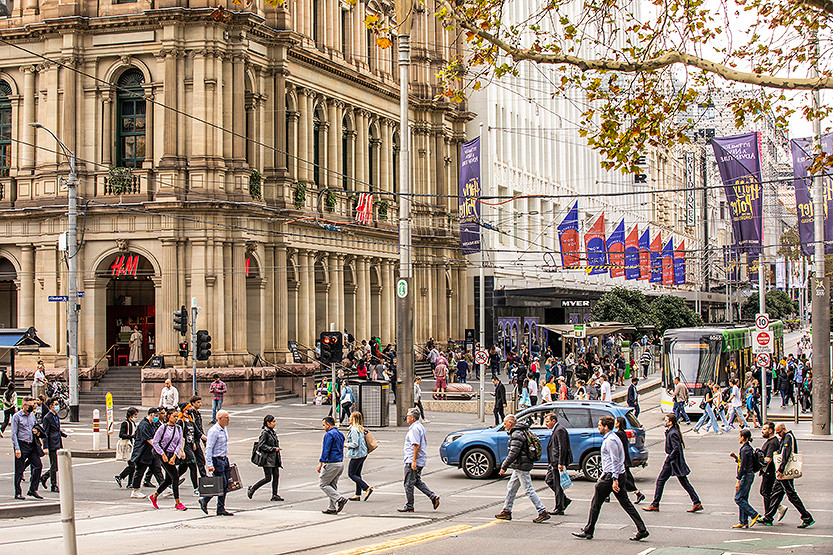

Melbourne’s CBD economy ended 2025 on a high, with December recording the biggest spending month ever captured in the City of Melbourne’s economic data, according to the council’s latest Economy Snapshot.
The March 2026 snapshot paints an increasingly upbeat picture for the central city, showing rising consumer spending, stronger pedestrian traffic, more retail and hospitality businesses, and a growing number of previously vacant shopfronts being brought back to life.
The headline figure is December’s all-time spending record across the municipality, which reached $1. 205 billion, ahead of December 2024’s $1. 136 billion and above previous December peaks in 2022 and 2023. The snapshot notes this was the highest spending level ever recorded by the City of Melbourne, even when adjusted for inflation in 2025 dollars.
Lord Mayor Nick Reece said the figures confirmed Melbourne’s strength as a retail destination.
Melbourne is officially Australia’s shopping capital – and the latest figures show that December was the biggest spending month on record in the city, he said.
Cr Reece added that new flagship retail openings were helping drive momentum, particularly in the core city.
“With new flagship stores like MECCA and Rodd & Gunn opening their doors and more big names like MUJI set to follow, Bourke Street Mall is the beating heart of Melbourne’s retail scene.”
The snapshot points to the opening of major new stores such as Pop Mart and MECCA’s flagship along Bourke Street Mall as key contributors to stronger visitation and spending through the second half of the year. It also shows pedestrian traffic near the Bourke Street Mall south sensor was up sharply in 2025 compared with 2024, with increases of 39 per cent in November and 37 per cent in December. Across the April to December period, monthly pedestrian growth turned strongly positive from late winter onward.
That rebound has been matched by improvement at street level. In the six months to November 2025, 84 vacant shopfronts were reactivated across the municipality, including 43 in the CBD, representing a 13.5 per cent reactivation rate in both areas.
“It’s fantastic to see so many exciting shopfronts lighting up the city, powered by low vacancy rates,” Cr Reece said.
The council’s latest data also shows the retail and hospitality base continuing to expand. In 2024 there were 4570 retail and hospitality businesses operating across the municipality, up by 273 businesses, or eight per cent, since 2022. Food and beverage was the standout sector, adding 167 cafes, bars and restaurants, while retail added 77 businesses. The growth also translated into jobs, with food and beverage creating nearly 4000 new positions and retail adding almost 2400 more between 2022 and 2024.
“Stronger pedestrian numbers indicate people are just loving the city as a place to shop, dine and experience everything Melbourne has to offer,” the Lord Mayor said.
The latest snapshot suggests the CBD’s recovery is no longer just about bouncing back from the pandemic, but about building fresh momentum. While challenges remain in parts of the central city, the combination of record spending, busier streets and more occupied shopfronts points to a retail core that is regaining confidence.
And with Melbourne recently named Time Out’s best city in the world, the council is betting that the city’s retail revival still has more room to run. •
Buy our Journalists a coffee
Support our dedicated journalists with a donation to help us continue delivering high-quality, reliable news


Related Articles
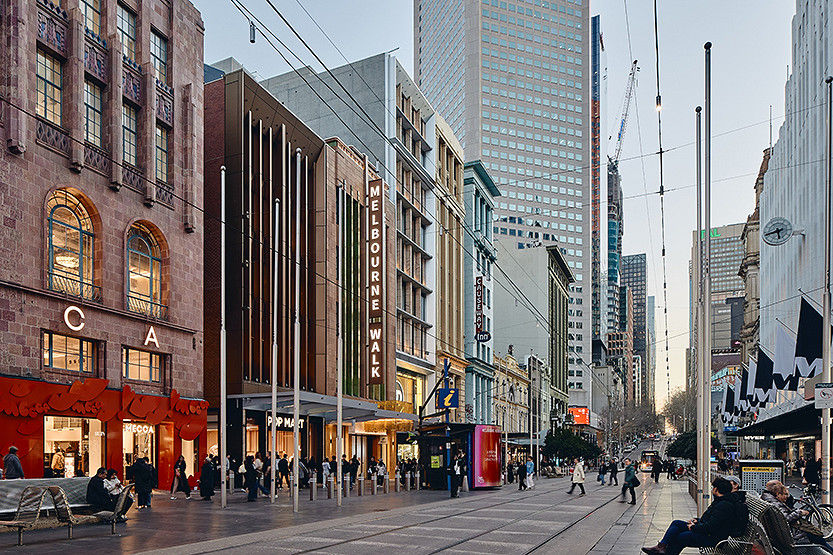
CBD shop vacancies fall again as Walk the CBD points to stronger city recovery
Melbourne’s CBD retail vacancy rate has fallen for a fourth consecutive year, with Fitzroys’ latest Walk the CBD report showing the city’s shopfront recovery continuing to gather pace.
Read More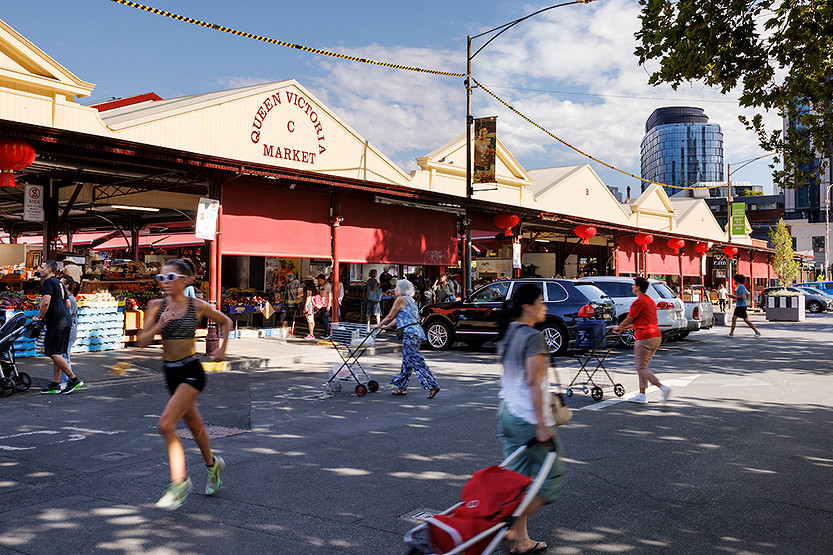
Queen Victoria Market records strongest visitation in years despite renewal works
Queen Victoria Market has recorded its strongest visitation in years, with a new annual report showing the historic precinct continues to draw growing crowds even as major renewal works reshape the site.
Read More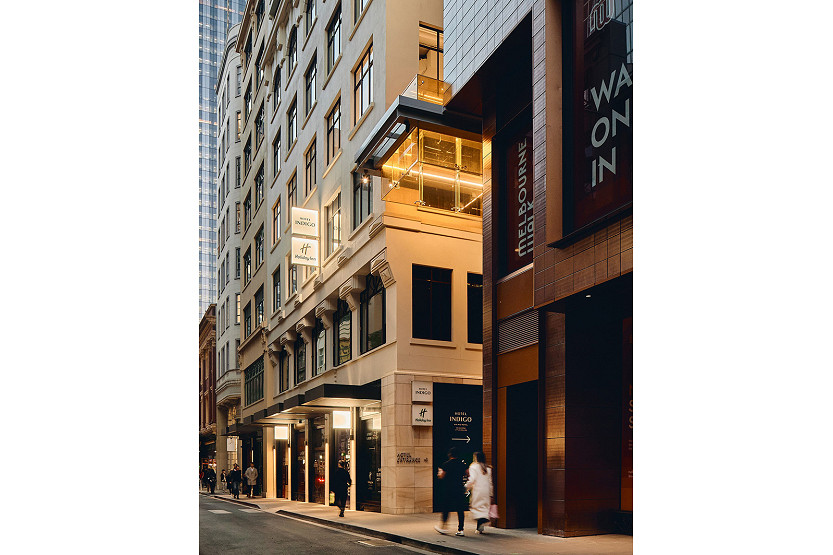
Melbourne CBD retail surges as Lacoste joins wave of flagship openings
Melbourne’s CBD retail market is continuing its strong post-pandemic resurgence, with global fashion brand Lacoste the latest to secure a major flagship store in the heart of the city.
Read More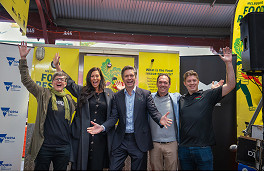
QVM food rescue program turns surplus produce into relief for struggling Melburnians
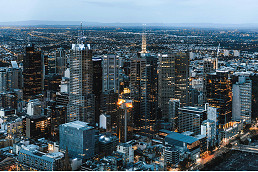
Council backs AI push, framing moment as Melbourne’s “fork in the road”

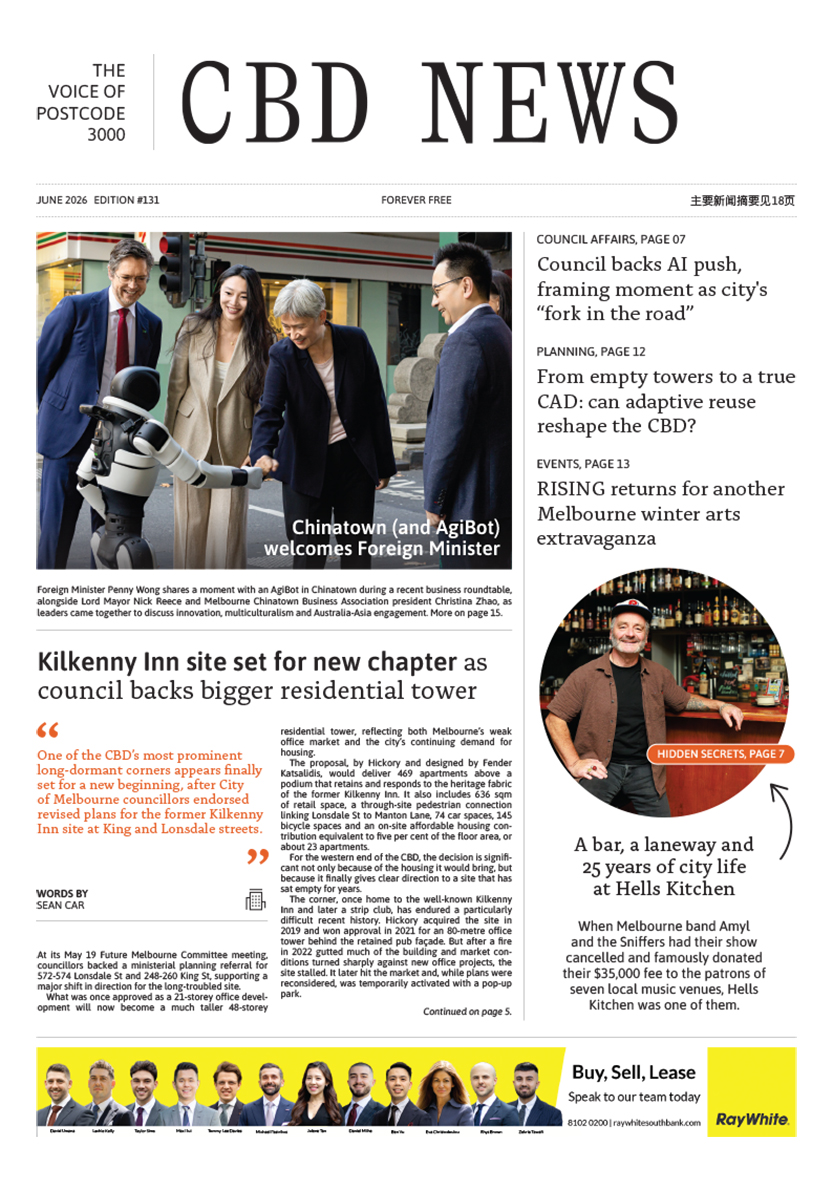 Download the Latest Edition