
The City of Melbourne is looking to reduce the disruption caused by protests
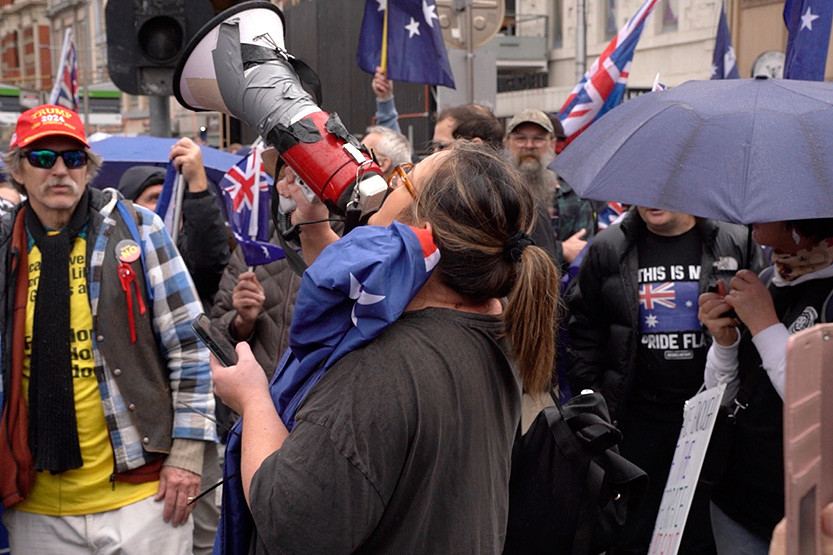
The City of Melbourne intends to reduce disruption caused by weekly protests. However, experts warn that the right to peaceful assembly must be protected.
In its Draft Council Plan 2025-29, the City of Melbourne has proposed advocating for a coordinated review across all levels of government to establish a framework that safeguards the right to protest while reducing disruption to the functioning of the city and maintaining a safe environment for the community.
This follows two years of pro-Palestine marches held in the CBD every Sunday, as well as the Neo-Nazi led “March for Australia” on August 31 which escalated into violence when the two separate protests converged.
However, with potential restrictions being considered, human rights experts have emphasised the importance of the City of Melbourne protecting people’s right to protest.
David Mejia-Canales, senior lawyer at the Human Rights Law Centre, said, “the City of Melbourne also has an obligation to consider how its actions may impact human rights under Victorian human rights law.”
“All levels of government have to work to facilitate the right to peaceful assembly for all people within their jurisdiction, and to ensure that any restriction on human rights is consistent with international and Victorian human rights law.”
There have been unsuccessful attempts at the state level to introduce a permit system similar to that in New South Wales.
In August, Opposition Police Minister David Southwick sought to introduce a bill to overhaul protest laws and establish a new registration scheme. This would have granted the Supreme Court the power to block certain protests from proceeding altogether.
Additionally, when Victoria Police Chief Commissioner Mike Bush started as the state’s top cop, he said that introducing a permit system for protests was not worthwhile.
Mr Mejia-Canales noted, “Australia has a long and proud history of peaceful protest driving social change – from women’s right to vote, to First Nations land rights, and the rights of working people.”
“The City of Melbourne itself is the birthplace of the eight-hour workday, where union members building the Victorian Parliament and The University of Melbourne downed tools to demand better working conditions.”
Cr Dr Olivia Ball also expressed concerns over the council’s proposal and said that it remained unclear what these measures would actually involve.
Peaceful protest is a human right. Being able to freely express your views in public with others is fundamental to democracy, she said in recent Instagram post.
“Given most protest is about what the government is doing, government can’t be the arbiter of when, whether and where people can protest,” she added.
However, speaking at the August 19 Future Melbourne Committee (FMC) when the Council Plan was discussed, Deputy Lord Mayor Roshena Campbell said that there needed to be a “balancing exercise”.
Cr Campbell said that it was important to protect both people’s right to protest and people using the city, particularly traders and elderly and disabled people.
“[Melbourne] has been disrupted by weekly protests for almost two years, protests that are having a real impact on businesses who are losing essentially one day of trade every week,” Cr Campbell said.
The council’s head of the safety and cleaning portfolio, Cr Rafael Camillo, said that the reason behind the push for a review by all tiers of government was so that a discussion on the best ways to move forward could begin.
He said that many residents and businesses within the community he had spoken with were struggling with the ongoing protests.
However, exactly what role the city would play remains unclear according to Cr Camillo, who said that he would like to find a better way of managing protests through an intergovernmental review of the current approach to management and enforcement. •
Buy our Journalists a coffee
Support our dedicated journalists with a donation to help us continue delivering high-quality, reliable news


Related Articles
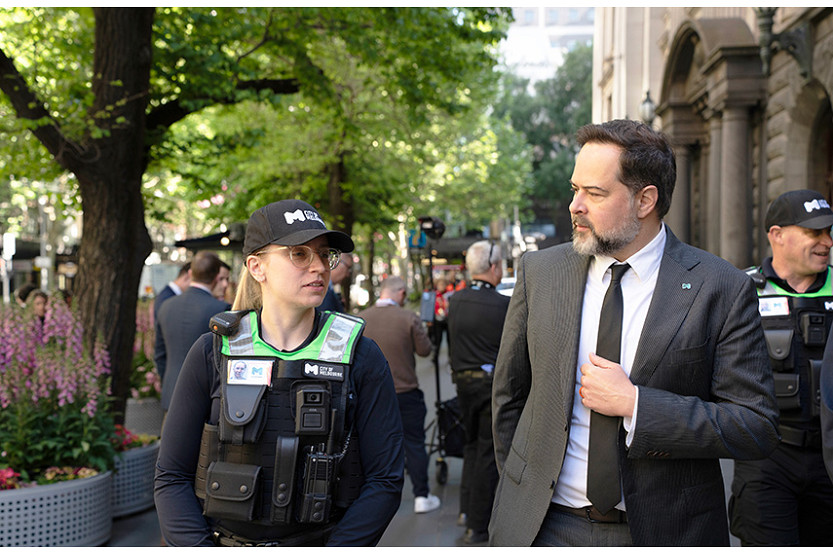
Camillo says council delivering on safety and cleaning
Two years into the current council term, City of Melbourne safety and cleaning portfolio lead Cr Rafael Camillo says Town Hall has moved beyond “talking about the problems” and is delivering practical responses to the issues that dominated the 2024 election.
Read More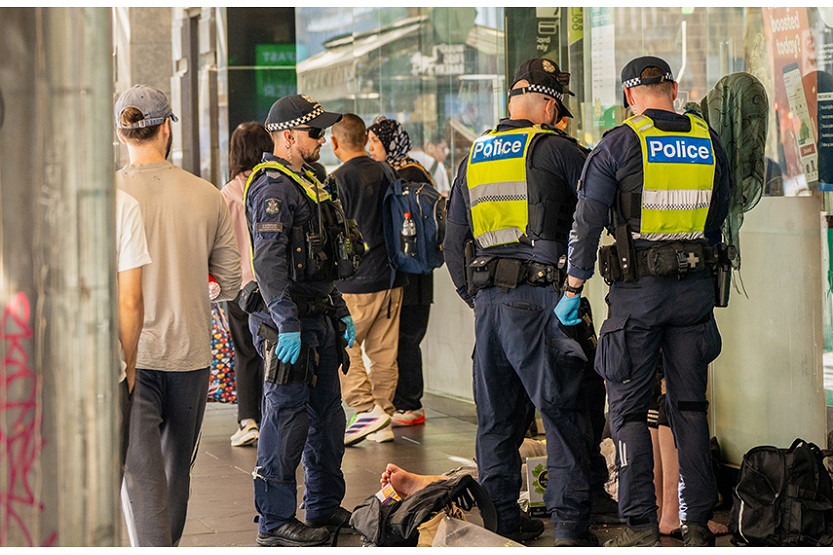
Operation Harmony nets 55 arrests as police maintain boosted CBD presence
Victoria Police says its expanded Operation Harmony has already led to 55 arrests in Melbourne’s CBD, with the month-long policing surge being credited with helping prevent further crime and improving safety in the city.
Read More
Police boost CBD presence as Operation Harmony expands
Victoria Police has significantly expanded its visible presence in Melbourne’s CBD, with the latest version of Operation Harmony now delivering almost double the daily number of officers patrolling the city.
Read More
Who actually pays Victorians the most for solar
EastEnders to host Lord Mayor and Deputy Lord Mayor

 Download the Latest Edition