
The hidden financial hurdles most church boards face when planning to build
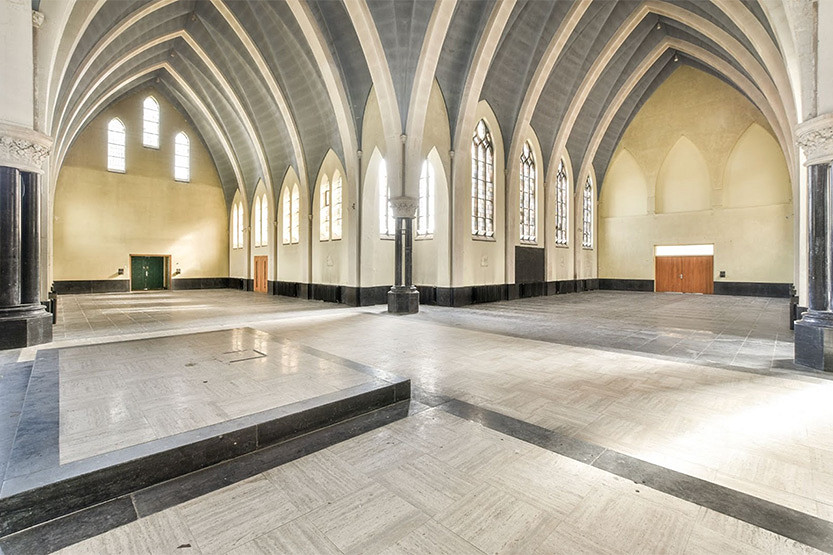
You’ve been part of every conversation. The church’s vision is clear, the support is strong, and the dream of a new building feels like it’s finally within reach.
But as you move from inspiration to planning, the questions shift quickly from design choices to financial realities. That’s often when things get more complicated.
Key takeaways:
- Delays in planning approvals often lead to unexpected cost increases
- Site preparation costs are frequently underestimated and can cause early overruns
- Donation shortfalls and fundraising delays can put pressure on project timelines
- Daily church operations may suffer financially during prolonged construction
Most church boards don’t start out expecting financial hurdles. The assumption is that with enough faith and fundraising, the project will take shape as planned. But the truth is, even with generous pledges and enthusiastic volunteers, there are layers of cost and risk that aren’t obvious until they hit. And they often show up early – well before the first slab is poured.
Planning to build a church isn’t like a standard commercial project. The funding streams, approval processes, and land considerations bring unique challenges. And while your board may be strong in spiritual leadership, managing a major building budget is a different kind of stewardship.
Delayed approvals and cost escalation
It’s common to underestimate how long it takes to receive full council approvals, especially if your building plans involve rezoning, increased traffic considerations, or changes to land use. What begins as a hopeful 6-month approval period can easily double, particularly in areas where planning departments are backlogged or cautious about religious developments on community land.
These delays don’t just slow the project – they affect your bottom line. Building materials rarely stay the same price for long. Timber, steel, and concrete have all seen sharp cost rises in recent years. Labour shortages in the construction sector can push wages up too, especially in regional areas where contractor availability is limited.
By the time approval is granted, the original budget may no longer cover the same scope. Boards that fail to account for inflation or don’t set aside a buffer for time-related cost increases often find themselves needing to rework the project midstream. That’s when compromises start creeping in – less seating, fewer amenities, or unfinished spaces that get deferred indefinitely.
Misjudging site preparation costs
Even with land already owned or generously donated, what’s underneath can become a financial trap. The assumption that a flat, cleared block equals a ready-to-build site is rarely accurate. Soil classification can dramatically affect footing and slab requirements, with reactive soils or poor drainage conditions requiring engineering solutions that aren’t part of the original quote.
Site accessibility also matters. If the block sits far from utilities, or if existing infrastructure can’t support increased usage, the church may be liable for upgrades. These can include sewer connections, stormwater capacity, or even road access modifications – especially if the council deems the new build will significantly increase foot traffic.
This is often where well-intentioned budgets come unstuck. Many boards don’t factor in the added costs that show up between land purchase and construction start. They’ve done the homework on the building cost per square metre, but not on the specific demands of the site itself. And by the time these issues surface, they can’t be delayed – they have to be fixed before any actual building begins.
Overestimating donation reliability
A strong capital campaign can generate incredible energy. Enthusiastic members pledge large amounts, fundraising events exceed expectations, and the momentum feels unstoppable. But once the dust settles, many boards discover a much slower reality: pledges aren’t payments, and not every commitment turns into cash.
People give with good intentions, but circumstances change. Job loss, health issues, or shifts in personal finances can reduce or delay contributions. Even with regular reminders and updates, some pledged amounts never arrive. This puts pressure on timelines, especially when the build is under way, and contractor payments come due.
That’s where some churches consider lending for churches as a short-term solution. It can help bridge gaps in funding when cash flow lags behind commitments. But if borrowing decisions are made reactively, without clear repayment plans or financial forecasting, they can create long-term strain. Regular repayments might limit ministry funding or push boards to cut back on staffing and community programs to meet loan obligations.
This gap between expected and actual giving is rarely discussed at the start. Yet it’s one of the most common reasons building timelines get extended, projects are scaled down, or financial stress builds quietly in the background.
Underestimating operational disruptions
Building while running an active church isn’t just about sharing space – it affects almost every part of your weekly rhythm. Parking might be reduced. Entry points change. Children’s programs may shift to temporary or less suitable rooms. These disruptions may feel manageable at first, but over time they can affect attendance, engagement, and event income.
For churches that rent out spaces or host community groups, ongoing construction can mean reduced bookings. A dusty, noisy or partially closed facility isn’t always appealing for weddings, conferences, or weekday hires. That income drop may not have been factored into the build budget, but it can quietly reduce the church’s capacity to manage running costs while building expenses increase.
There’s also the question of congregational fatigue. Volunteers working harder to accommodate temporary setups, or pastors adjusting constantly to layout changes, can experience burnout. These challenges don’t appear on any spreadsheet, but they carry a real cost – particularly if the project stretches beyond the original timeline.
Some churches plan for the big numbers – construction costs, consultant fees, contingency margins – but overlook the softer impact of how a building project reshapes daily operations. That oversight can lead to budget gaps not because of overspending, but because of underestimating what will be lost along the way.
Lack of financial expertise on the board
Many church boards are filled with passionate, capable leaders – but financial experience isn’t always part of the mix. When planning a building project, this lack of expertise can lead to overconfidence in budgets, underdeveloped funding strategies, or overlooked contract details that carry long-term implications.
In some cases, there’s an assumption that because a quote looks reasonable and a contractor comes recommended, the process will take care of itself. But building projects bring dozens of decisions that require a detailed understanding of long-term cash flow, staged payments, and contract negotiation. Without the right financial lens, boards might sign off on timelines or terms that strain the church down the track.
External advisors can be invaluable here, but not every board seeks them out early. Waiting until problems arise can reduce the options available and increase the cost of course correction. Engaging a finance professional or a quantity surveyor before the first quote is approved can make the difference between a controlled project and one that slowly unravels.
There’s no shame in seeking outside help – it’s often the smartest decision a board can make. Building a church is a spiritual commitment, but it’s also a commercial transaction with complex moving parts. Getting that balance right takes more than good intentions.
Conclusion: Planning beyond faith and vision
Spiritual vision may set the direction, but it’s the financial groundwork that keeps a church building project stable. Boards that enter the process with open eyes, realistic projections, and the humility to seek help tend to navigate the pressure more effectively.
The obstacles aren’t always dramatic – they often come in the form of slow approvals, quiet cost creep, and well-meaning but missed donations.
The excitement of building something new should be preserved, not overwhelmed by unexpected bills or strained resources. Careful preparation, grounded decisions, and honest conversations can help keep the focus where it belongs: on creating a space that serves the community well, for years to come.
Buy our Journalists a coffee
Support our dedicated journalists with a donation to help us continue delivering high-quality, reliable news


Related Articles

Good Nature Hotel brings new pub and beer garden to Fed Square
A new urban pub and beer garden has opened at Federation Square, bringing a fresh all-weather hospitality venue to one of Melbourne’s busiest cultural and sporting precincts.
Read More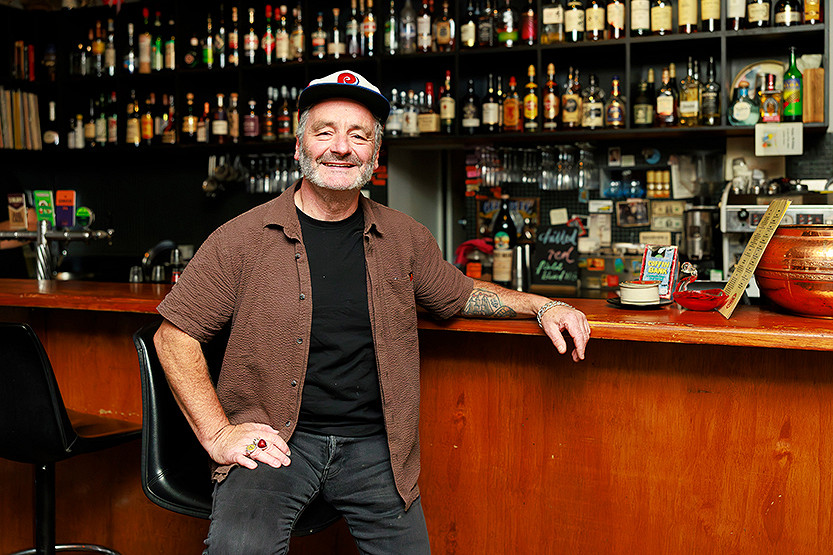
A bar, a laneway and 25 years of city life at Hells Kitchen
When Melbourne pub rockers-turned-stadium band Amyl and the Sniffers had their show cancelled and famously donated their $35,000 fee to the patrons of seven local music venues, Hells Kitchen was one of them.
Read More
How the Arslans turned gozleme into a QVM staple
Ekrem Arslan and his wife Asiye were the first in Melbourne to sell gozleme, he says. Nearly a quarter of a century on, his happy family market business has expanded but remains largely unchanged.
Read More
QVM food rescue program turns surplus produce into relief for struggling Melburnians

Council backs AI push, framing moment as Melbourne’s “fork in the road”

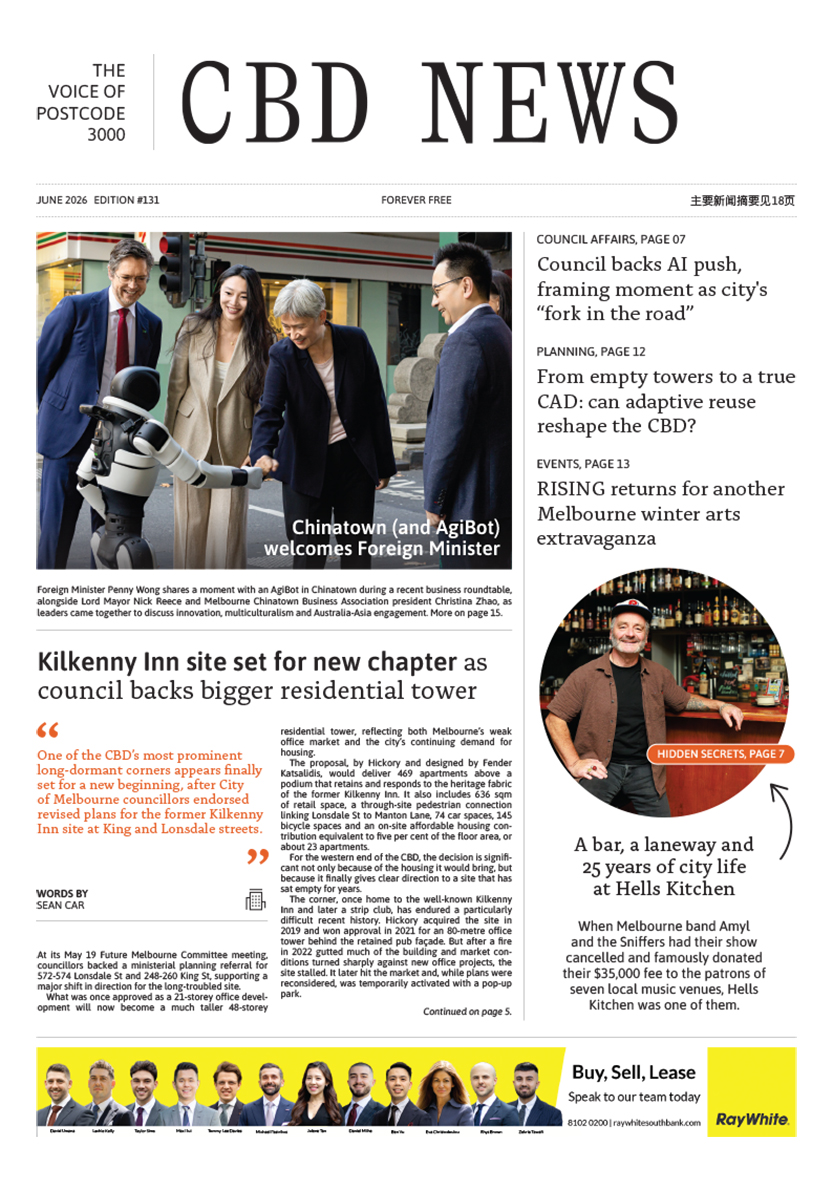 Download the Latest Edition