
The realities of community health amid a city petty crime “epidemic”
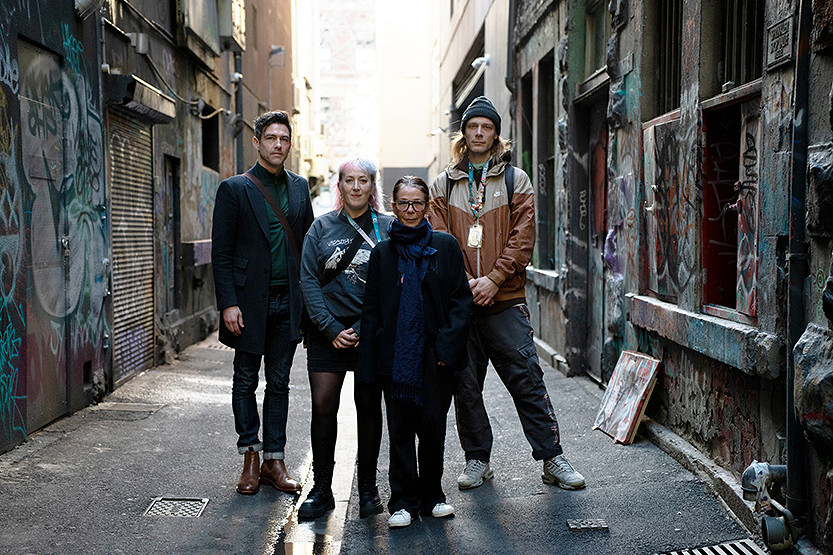

Every day, Cohealth’s outreach team supports the city’s most vulnerable. They walk Melbourne’s streets and laneways to check on the welfare of people sleeping rough.
While there are many reasons a person may end up sleeping on the street, a significant portion of Cohealth's clients are people who have fled domestic violence, are struggling with addiction, or have experienced a life filled with trauma.
Some clients have been urinated on, verbally abused, or assaulted while sleeping on Melbourne’s streets, and following the City of Melbourne’s security guard trial earlier this year, clients reported feeling intimidated.
The trial, which involved two security guards supporting municipal local laws officers on their daily patrols, was launched in response to 37 incidents of violence recorded over the past two years against council staff.
It targeted on-street begging and anti-social behaviour. However, Cohealth’s outreach team members said they were not consulted during the trial, despite an initial intention by the council to do so.
However, a City of Melbourne spokesperson refuted this, stating that any claims that it did not consult cohealth were incorrect. The council claims it consulted cohealth on multiple occasions, both before and during the trial.
In the wake of the trial, the council is expanding its security measures through the introduction of 11 new Community Safety Officer roles. These officers will provide on-street support and help connect vulnerable individuals with existing support services.
Speaking to CBD News, Lord Mayor Nick Reece said that "big cities around the world are suffering from an epidemic of petty crime.”
Whether it’s shoplifting, vandalism, anti-social behaviour or drug and alcohol use on the streets, we are getting on the front foot and doing everything we can at a city level to keep our city safe, Cr Reece said
However, as the remit of the City of Melbourne’s safety programs expands, Cohealth is calling for better engagement to ensure their clients are not mistreated.
Addressing the complex issues faced by people sleeping rough is no easy task and Cohealth’s outreach team is on the frontline, according to Merelyn Fernon, the program facilitator for Cohealth’s CBD outreach.
Ms Fernon leads a team of 34, which includes peer and harm-reduction workers, case managers and community nurses.
Their service goes beyond the bounds of public health. As well as providing medical support, the team connects clients with other services such as Launch Housing; distributes safe-injecting equipment when needed, and helps people access warm bedding or clothing.
Ms Fernon describes Cohealth as a “non-judgemental” service that helps people live as safely as possible, regardless of their circumstances.
She has worked with Cohealth since 2010, having previously worked as a psychiatric nurse in several Melbourne public hospitals.
During her time with Cohealth, she has supported clients in overcoming physical and mental health challenges and finding stable housing – although some may never make it off the streets.
Ms Fernon fears the “human side” of homelessness can be overlooked when safety crackdowns occur.
“I’ve done thousands of hours of outreach, and I’ve met some of the most incredible people and had the most incredible conversations.”
“I’ve heard so many stories of pure tragedy,” she said. “I’m always just so impressed by the resilience my clients have – the challenges they’ve faced, the situations they’ve lived through – and yet they’re still here.”
In July, CBD News joined the outreach team as they patrolled the city. Alongside Ms Fernon were Dr Dean Membrey, harm-reduction worker George Dowling, and peer worker Laura Deverell.
During the patrol, the team supported several rough sleepers, engaged with council workers cleaning areas known for street sleeping, and provided medical care to clients.
The outreach team explained that trust takes years to build, and many people won’t share details about their situation until that trust is established.
Dr Membrey said the relationships between clients and peer or harm-reduction workers allowed him to offer the best possible support, as the shared connection helped clients feel more comfortable.
Another challenge is that many clients don’t have active Medicare cards and may move away from the location where the team initially engaged with them.
By working closely with the outreach team, Dr Membrey is able to provide essential medication to people in need who might otherwise never receive the treatment they require.
As the City of Melbourne intensifies its crackdown on begging through the deployment of its community Safety Officers, a key question looms: can it build trust with all stakeholders to ensure the city is safe for everyone?
According to Cohealth, the council's alleged failure to consult it before and during the security guard trial meant that its team missed the opportunity to provide feedback on a program that negatively impacted their clients.
However, Lord Mayor Nick Reece has committed to consulting Cohealth on the rollout of the municipality’s new community safety officers.
“Council will run stakeholder engagement sessions with key groups in the city who work with and support people sleeping rough,” he said.
“We’re still working through the details of how community safety officers will collaborate with other agencies on the street, but I can assure you it will be an integrated operation.” •
Buy our Journalists a coffee
Support our dedicated journalists with a donation to help us continue delivering high-quality, reliable news


Related Articles
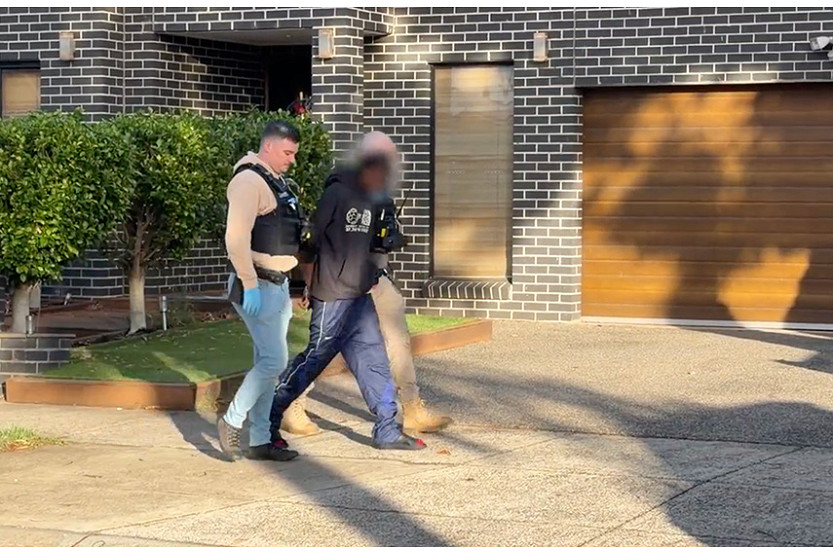
Three arrested as police claim breakthrough in CBD nightclub arson spree
Victoria Police says it has now arrested someone in relation to every alleged Operation Eclipse arson offence in Melbourne’s CBD, following the arrest of three more people over a series of nightclub fires and attempted fires earlier this month.
Read More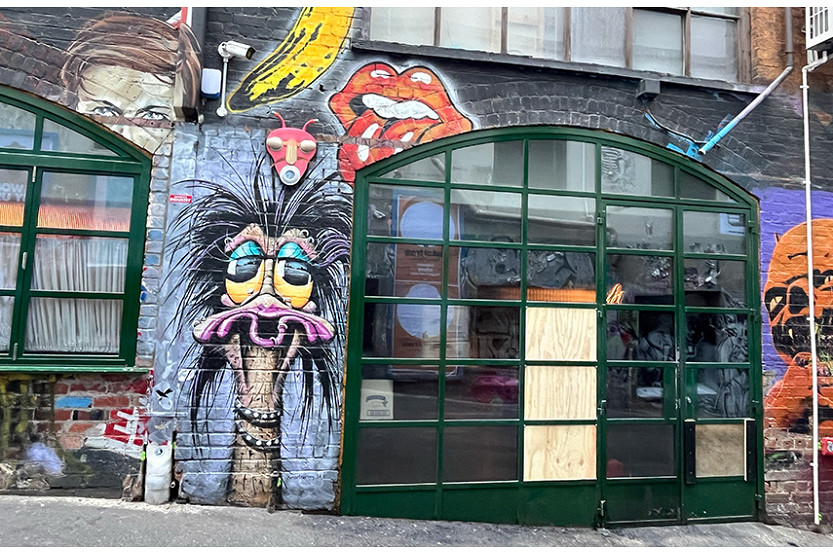
Second ACDC Lane arson attack
Three teenage boys were charged and remanded in custody after an arson attack on an ACDC Lane bar on Anzac Day weekend.
Read More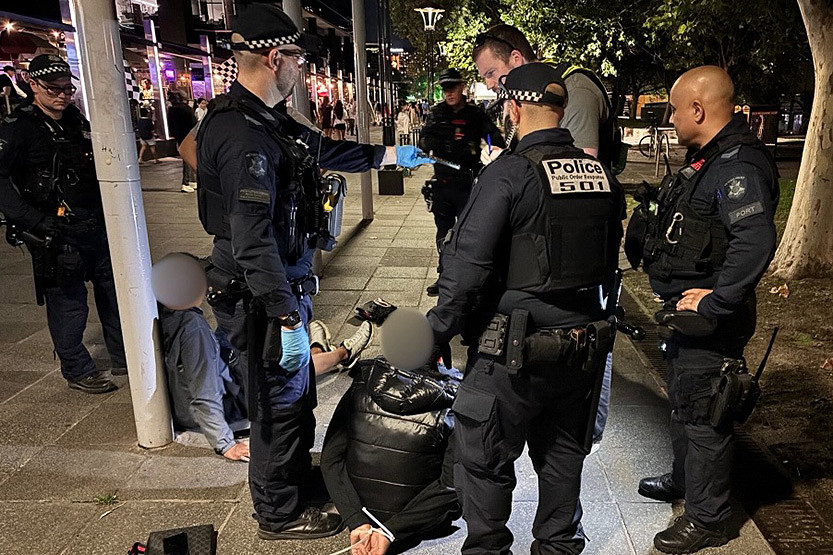
Moomba weapons arrest
Police believe they likely prevented serious violence when they arrested several armed males near St Kilda Rd on the first night of the Moomba Festival, they said.
Read More
Kilkenny Inn site set for new chapter as council backs bigger residential tower
A bar, a laneway and 25 years of city life at Hells Kitchen

 Download the Latest Edition