
Why rebuilding trust in your body starts with movement, not mindset

Key highlights
- Body trust returns through repeated, supported movement
- Mindset follows evidence, not intention
- Bayside osteopathy services help guide safe physical reconnection
- Gentle treatment supports function, not just symptom relief
When your body stops feeling like home
It’s not always dramatic. Sometimes it’s just hesitation – a slight pause before standing up, a wince before reaching overhead, or the way you hold your breath while tying your shoes.
For some people, it shows up after an injury. For others, it creeps in after years of stress, pain, or burnout. Either way, the feeling is the same: your body doesn’t feel like somewhere you fully live anymore. It feels like something you manage.
That disconnect is subtle but powerful. You start to second-guess what you can do. You move less, trust less, and over time, it gets harder to tell what’s fear and what’s function. It’s not about laziness or weakness – it’s about not feeling safe in your own skin. And while mindset work has its place, healing often starts somewhere quieter. It starts with movement.
You might not even remember when the shift happened – when ease became effort, when movement started feeling risky instead of intuitive. That kind of disconnection rarely shows up overnight.
The myth that mindset comes first
There’s this idea that you have to “get your head right” before you can feel better in your body. That you need motivation, clarity, or a breakthrough moment before you start moving again. But for most people, especially after a long disconnect, the mental shift doesn’t come first. It follows.
The nervous system responds to experience, not just thought. Moving – even slowly, even imperfectly – gives your brain new information. It says, this is safe now. This works again. And that evidence is what starts to change how you feel. You don’t need to believe in your body before you use it. You just need to let it show you what it can still do.
How small movements change internal narratives
Something shifts when you realise you can squat without bracing, walk without pain, or breathe fully again. These aren’t major milestones – they’re quiet ones. But they matter more than motivation because they change the story, you’re carrying about what’s possible.
This is where support can make the difference between staying stuck and starting again. Bayside osteopathy services offer a way back into movement that’s guided, not forced. Sessions are designed to ease tension, restore mobility, and build trust between your body and your brain. It’s not about fixing you. It’s about reminding your system that you’re safe to move – that strength and ease are still there underneath the hesitation.
Why hands-on treatment helps rebuild trust
Touch matters. Not in a symbolic way, but in a real, grounded, physiological way. When someone works with your body in a way that’s respectful, informed, and present, it changes how your nervous system responds. You move differently when you’re not guarding. You breathe more deeply when you’re not anticipating pain.
Osteopathy offers a space for that kind of shift. The work isn’t just about pain relief. It’s about function – how your body moves, recovers, and responds to the world around it. For people who’ve been disconnected from their physical selves, this kind of care can restore something that’s hard to name: trust. Not just that your body works, but that you’re allowed to feel at home in it again.
Trust is built through repetition, not force
Healing isn’t a breakthrough moment. It’s small, boring wins. Reaching without flinching. Standing without effort. Moving without bracing for what might go wrong. These moments don’t come from willpower. They come from doing the thing, noticing it didn’t hurt, and doing it again.
That’s why movement matters more than mindset. Not because the mind is irrelevant, but because it follows the body’s lead. You don’t rebuild trust through force or toughness – you do it through consistency. By showing up for your body a little more each day, even when it feels unfamiliar. And over time, it stops feeling like something you manage. It starts to feel like home again.
Progress doesn’t always look like strength gains or longer workouts. Sometimes it’s just realising you didn’t hesitate before stepping out of bed. Or that you stood taller in the kitchen without thinking about it. These moments are easy to miss, but they matter. They’re proof that your body is learning to trust you back – not because you pushed harder, but because you moved in ways that felt safe enough to try again.
Buy our Journalists a coffee
Support our dedicated journalists with a donation to help us continue delivering high-quality, reliable news

Related Articles
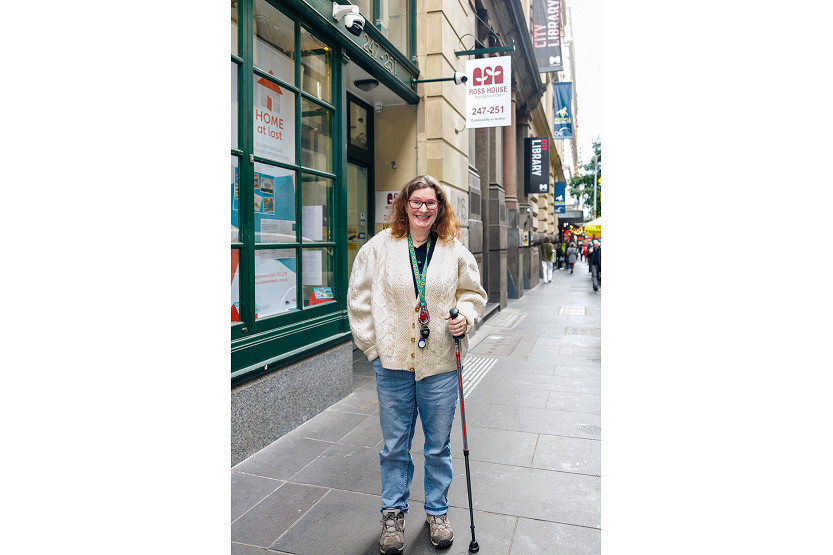
Knowing more about brain injury
Brain injuries can happen to anyone, and while the Melbourne CBD-based self-advocacy organisation Brain Injury Matters (BIM) faces an uncertain future, it wants to see more public education about this type of trauma.
Read More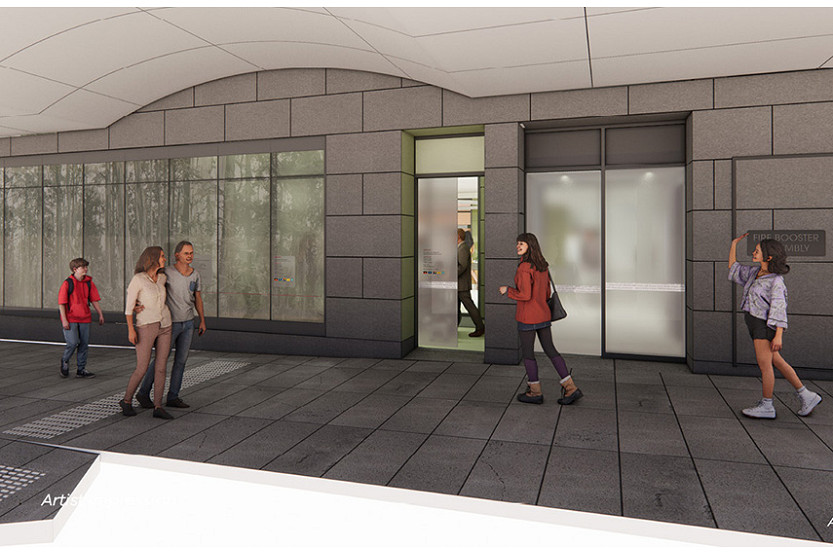
New Flinders St health hub to open later this year
A new community health hub aimed at supporting some of Melbourne’s most vulnerable people is expected to open on Flinders St later this year, as the state government continues to roll out its response to drug harm in the CBD.
Read More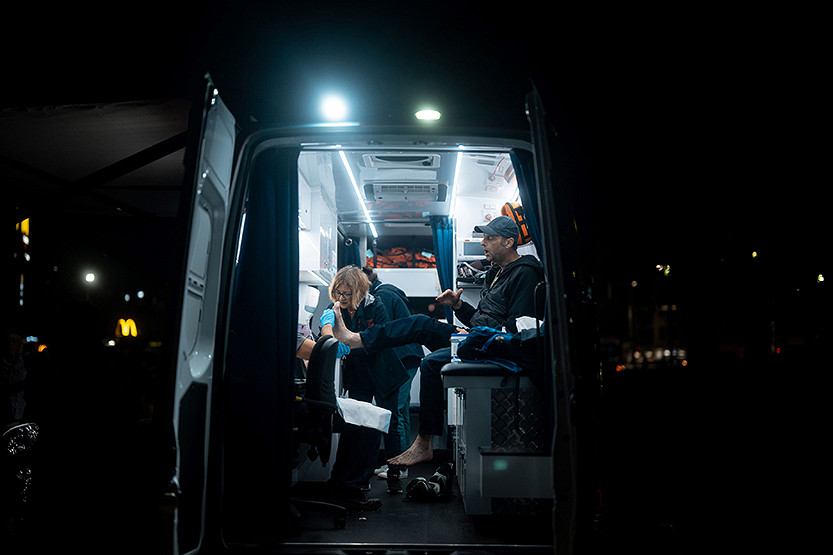
Street Side Medics calls for volunteer GPs at Bourke St clinic
Street Side Medics has issued an urgent call for Melbourne GPs to volunteer at its Bourke St clinic, as demand continues to grow for free primary healthcare among people experiencing homelessness.
Read More
QVM review process only raising further questions

Farewell CBD News – but not goodbye

 Download the Latest Edition