
Council backs Retrofit Melbourne pilot
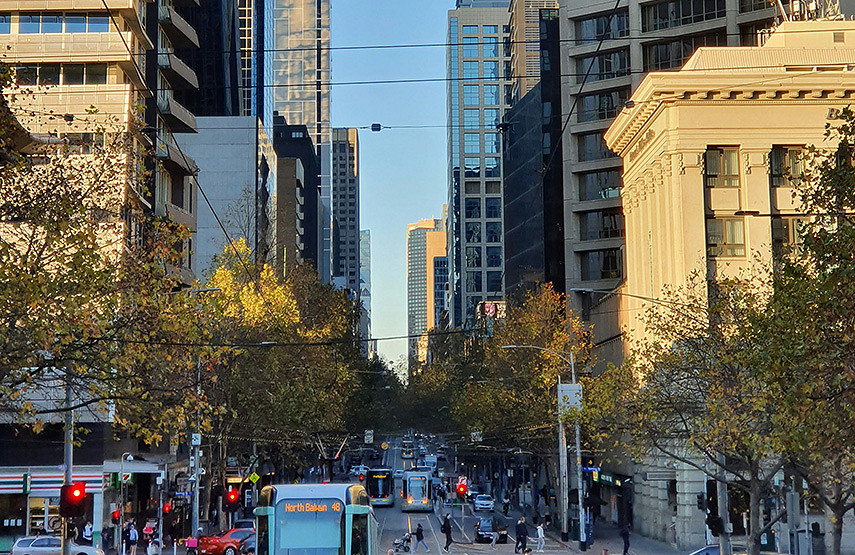

The City of Melbourne has approved a new three-year Retrofit Melbourne Financial Incentive Scheme, aimed at helping older commercial buildings cut emissions, reduce operating costs and remain competitive amid high office vacancy rates.
Councillors voted at the July 21 Future Melbourne Committee meeting to establish the pilot program, which will begin in the 2026–27 financial year and provide targeted financial support for owners of lower-performing mid-tier office buildings.
All councillors present supported the motion except Cr Owen Guest, who voted against it.
The scheme forms part of the council’s broader Retrofit Melbourne Plan, which seeks to accelerate upgrades to existing commercial buildings as the city works towards net zero emissions by 2040.
According to the council report, buildings account for almost 60 per cent of municipal emissions, while more than 80 per cent of the buildings expected to be in use by 2040 already exist.
The report also notes that Melbourne’s central city office market is experiencing structural change, with office vacancy sitting at about 18 per cent, the highest of any Australian capital city. Demand is increasingly concentrated in efficient, high-amenity and environmentally sustainable buildings, placing pressure on older, lower-performing office stock.
The pilot will provide partial reimbursements for three types of retrofit activity: energy performance benchmarking, action plans for energy-saving improvements and electrification, and implementation of energy-saving works.
Eligible building owners will be able to receive up to $2500 for benchmarking, up to $7500 for action plans, and up to $40,000 for implementation works, with reimbursements capped at 50 per cent of eligible costs.
Funding will be targeted at privately owned office buildings more than 15 years old, between 1000sqm and 20,000sqm, with a NABERS energy rating of four stars or below, or buildings that have never been rated.
The council’s environment portfolio lead Cr Davydd Griffiths said the $800,000 pilot was an important step in ensuring Melbourne retained high-quality commercial buildings while reducing emissions.
He said the program would begin with energy performance benchmarking, before moving to action plans and then the implementation of energy-saving improvements.
“Sixty per cent of the emissions in the municipality come from buildings,” he said. “Addressing this is a really important environmental measure.”
Cr Olivia Ball, who seconded the motion, described the program as a “win-win-win initiative”.
“We know that we need to electrify everything as fast as possible,” Cr Ball said. “And 60 per cent of our emissions come from buildings, and building owners are just not retrofitting fast enough.”
She said government had a role to play when the market was failing to deliver the transition at the pace required.
“Retrofitting is about climate adaptation too, because a well-insulated and double-glazed building is more comfortable, more leasable, as well as needing less power to operate,” she said.
Cr Rafael Camillo said the initiative was about more than sustainability, describing it as an economic activation measure for a changing CBD.
“We have older office buildings facing high vacancy rates and rising operational costs,” he said. “At the same time, those buildings represent a tremendous opportunity if we can help them modernise, improve their performance, and remain competitive.”
Cr Phil Le Liu supported the motion but urged the council to also explore its own opportunities around carbon credits, arguing the City of Melbourne should be innovative in how it funds and accounts for climate action.
Cr Guest opposed the scheme, arguing it shifted costs from property owners to ratepayers.
“Poor old ratepayer here is being asked to meet the burden once again,” he said.
Lord Mayor Nick Reece defended the investment, saying $800,000 was “not huge” but had been “very well targeted” to leverage maximum outcomes.
The amended motion also requested that the Lord Mayor write to federal and state ministers seeking targeted tax and regulatory reforms to accelerate commercial retrofits and adaptive reuse, and to the Victorian Planning Minister asking for approval of Planning Scheme Amendment C376, which would introduce stronger sustainable building design standards.
Cr Reece said C376 had been “sitting on the Minister’s desk for years” and should be approved so the city could “start taking action”.
Buy our Journalists a coffee
Support our dedicated journalists with a donation to help us continue delivering high-quality, reliable news


Related Articles
New laws give council stronger hand on derelict buildings
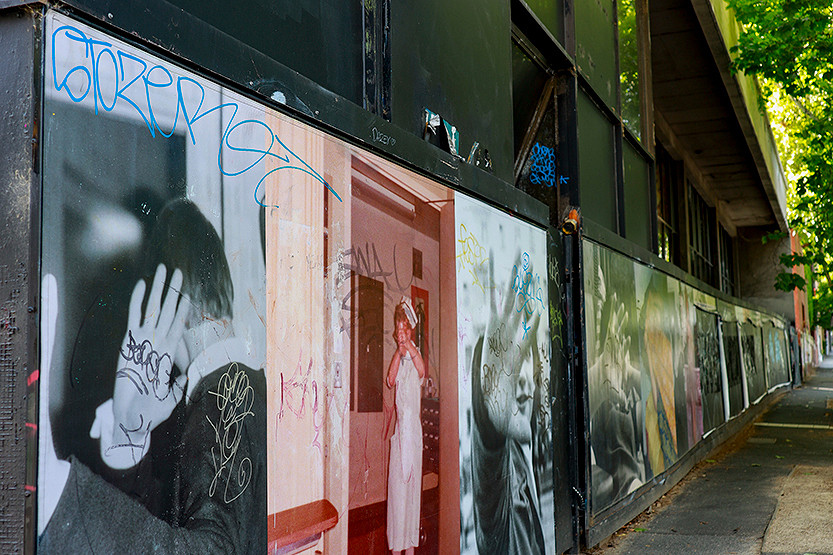
The City of Melbourne is set to receive greater powers to pressure owners of vacant and derelict buildings to act, under state government reforms aimed at tackling some of the city’s most persistent eyesores.
Read More
The rise of the “third room”: How Australians are reinventing their outdoor spaces
There was a time when the backyard was an afterthought. A patch of grass, a rusting barbecue, maybe a plastic chair or two.
Read More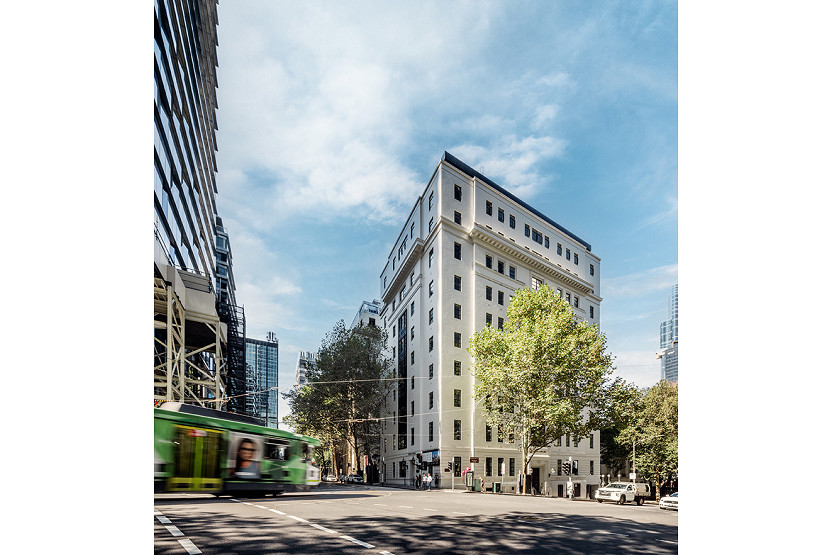
Hypetap moves into historic Swann House on Flinders Lane
One of Australia’s fastest-growing creative agencies is set to make its new home in one of Melbourne’s most historically significant CBD buildings, with Hypetap signing on as the inaugural tenant at the newly refurbished Swann House on Flinders Lane.
Read More
Who actually pays Victorians the most for solar

EastEnders to host Lord Mayor and Deputy Lord Mayor

 Download the Latest Edition