
Citizen scientists log the city’s top three insects
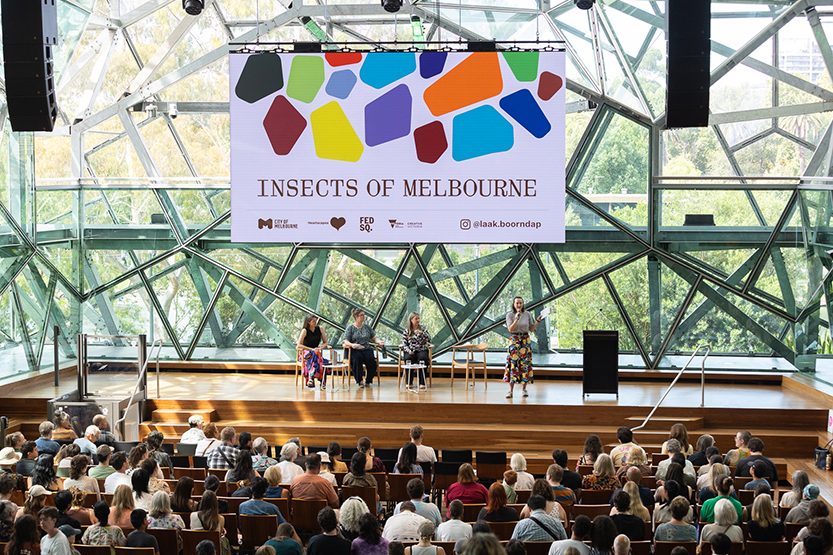
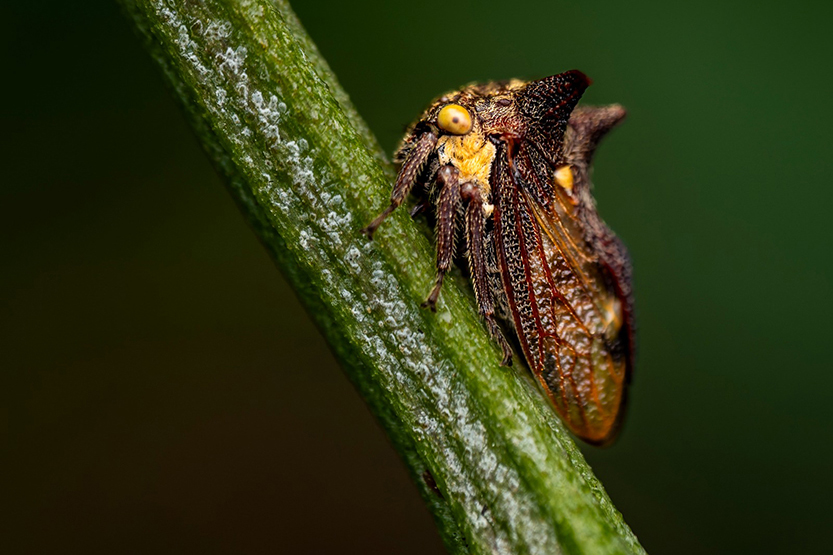
Insects were under the magnifying glass around the City of Melbourne in the first week of March, with the launch of a local guide to the critters followed by a series of events aimed at getting to know them.
Insects play a vital role in the environment, helping to pollinate plants, maintain healthy soils, control pests, and provide food for bigger animals. In the City of Melbourne more than 1500 species call the parks and gardens home.
Many species are facing extinction as a result of habitat loss, pollution and climate change and there are several key ways to help.
So reads the City of Melbourne’s new eye-opening insect guide, which recommends planting indigenous species; keeping rocks, logs and leaves lying around; avoiding chemicals; turning off lights at night; and contributing to science by observing and recording local insects.
Produced by council staff, together with Federation Square and the community organisation Heartscapes, the simple, 16-page guide features information on insect anatomy and metamorphosis and illustrated pages on different categories of the critters.
It also contains facts such as: “One in four of all animals on Earth are beetles”.
According to Cr Davydd Griffiths, the council’s portfolio lead for environment, since its creators officially launched the guide on February 28 they had run out of copies.
“I don’t think we expected it to be as popular as it was,” Cr Griffiths said.
The same was true of the launch event at Federation Square venue The Edge, which saw people turned away.
The crowd of 500 heard from a range of leaders involved in insect-friendly initiatives, including the City of Melbourne’s Senior Urban Forester; the founder of a community-led “pollinator corridor” project from Westgate Park to the Botanic Gardens, and representatives from the Melbourne Zoo and new Melbourne Arts Precinct garden, Laak Boorndap.
City of Melbourne resident Heather Wheat told CBD News the guide and its launch were “fantastic”.
An avid gardener, Ms Wheat already monitors and encourages her local insect populations.
The guide, which contains “a good spectrum of beetles and wasps and bugs and butterflies and other things”, was “really good for raising awareness of what’s around,” she said.
“And once you’ve seen the insects, you think, ‘oh, gee this is pretty,’ and you start looking at them differently.”
The launch of the guide kicked off a week of “BioBlitz” sessions and other events around the municipality, from March 1 to 8, where attendees logged insect sightings using crowd science app iNaturalist and took part in walks and other expert-led activities.
According to Cr Griffiths, more than 800 individual observations were made at the BioBlitz events, with 237 different species recorded.
Of these, the top three were the chequered cuckoo bee, lesser grass blue butterfly and wingless grasshopper, he said.
The series of events had promoted positive actions people could take such as building “bee hotels”, planting insect habitat, linking green spaces and avoiding pesticides, as well as recording insect sightings, he said.
“The enthusiasm Melburnians have shown for going out and engaging with them is really exciting.” •
Buy our Journalists a coffee
Support our dedicated journalists with a donation to help us continue delivering high-quality, reliable news


Related Articles
New garden guidelines open door to greener neighbourhood streets
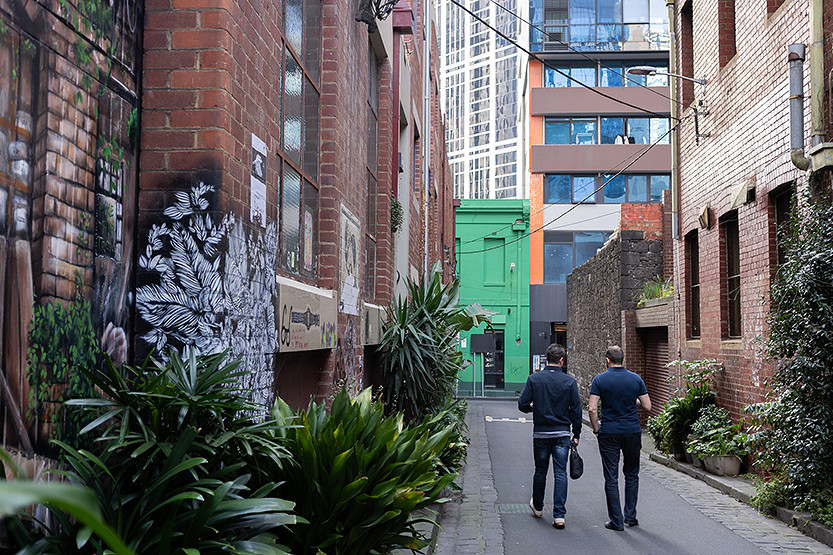
Melburnians will be able to plant small gardens in nature strips, tree plots, laneways and planter boxes more easily under new City of Melbourne guidelines designed to encourage community-led greening across the municipality.
Read More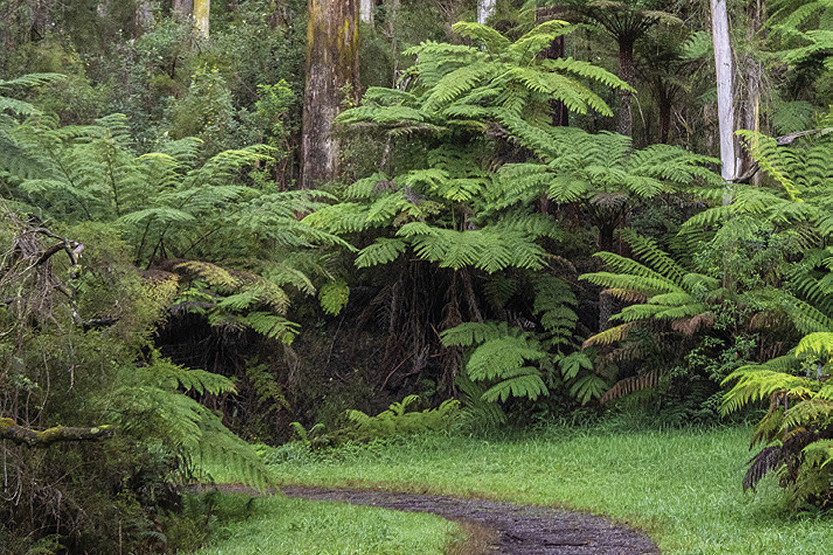
Fed Square features in plans for a 220km Birrarung Valley Walk
A long-term plan for a 220km “connected, whole-of-river trail” along the Yarra, or Birrarung, has been publicly announced, with the walk, from Williamstown to the Upper Yarra Reservoir, expected to open in 2029.
Read More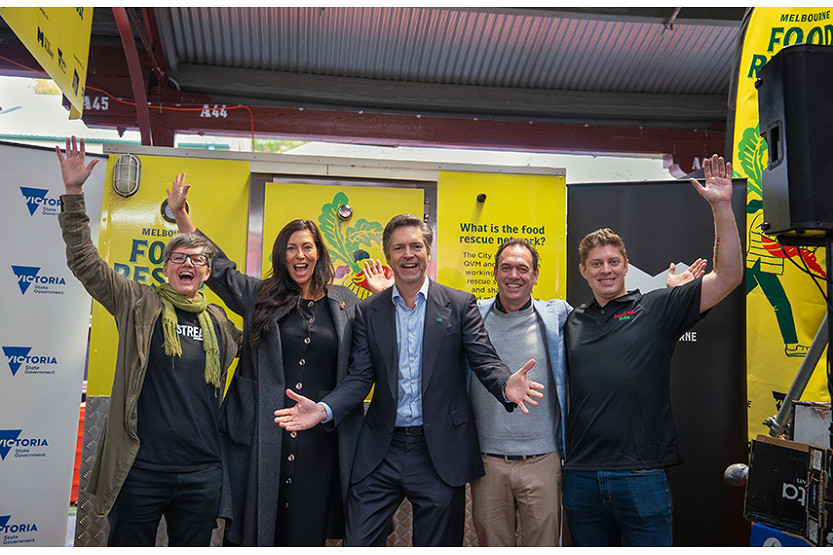
QVM food rescue program turns surplus produce into relief for struggling Melburnians
Thousands of kilograms of surplus fresh food from Queen Victoria Market will now be redirected to people in need under a new food rescue initiative aimed at tackling both waste and rising food insecurity across Melbourne.
Read More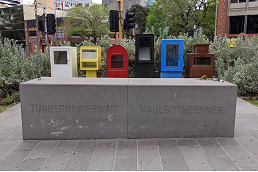
Frontier wars memorial in the heart of the city

Council backs infrastructure plan as CBD faces space squeeze

 Download the Latest Edition