
Councillors back expanded Safe City Camera policy after lengthy debate
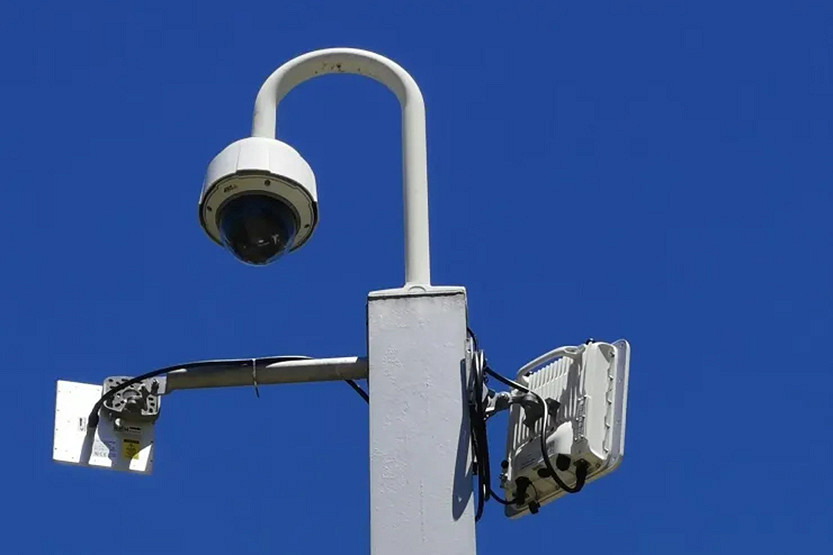

Melbourne councillors have endorsed the City of Melbourne’s draft Safe City Camera policy following a protracted and at times tense debate that stretched for more than an hour at the Future Melbourne Committee meeting on December 2.
The policy, which expands the scope of how the city’s existing CCTV network can be used, was ultimately supported by councillors in a nine to two vote, despite attempts by Greens councillor Dr Olivia Ball to introduce amendments aimed at strengthening privacy protections and limiting enforcement powers.
The endorsed policy forms the first phase of a staged overhaul of the city’s Safe City Camera Program, which currently allows footage to be accessed by Victoria Police for serious criminal matters. Under the updated framework, authorised council officers will also be able to apply to access recorded footage to support investigations under local laws, including matters such as illegal dumping, graffiti and environmental offences.
Council officers stressed that the policy does not permit live monitoring by local laws officers, nor does it include the use of facial recognition or artificial intelligence, although both technologies are flagged for review in later phases.
Presenting the report to councillors, City of Melbourne executive director of city safety Rick Kwasek outlined a three-stage implementation plan. Phase one focuses on policy changes, governance and upgrades to the existing CCTV network’s backend systems. Phase two proposes an expansion of camera coverage, to be evaluated by March 2026, while phase three will review the possible future use of video analytics and AI by mid-2026.
Mr Kwasek said community consultation revealed strong concerns about privacy, data protection and the risk of “function creep”, alongside more limited but clear support for using cameras to address issues such as rubbish dumping and environmental damage.
“These concerns are understood,” he said. “The policy includes a robust approval process for accessing footage, with written applications and managerial oversight. Authorised officers will not have access to live feeds.”
Public submissions revealed deep divisions. Several submitters warned that expanding council access to CCTV footage risked undermining civil liberties, with one contributor likening the program to “George Orwell’s 1984” and warning it could be misused by future governments.
Others argued surveillance would have a chilling effect on public participation, protests and everyday city life. Multiple submissions questioned whether the policy was compatible with the Victorian Charter of Human Rights and Responsibilities, particularly around privacy and freedom of movement.
At the meeting, privacy advocate Anastasia Beasley addressed councillors in person, criticising what she described as rushed and inadequate consultation. She said planned four-week engagement was reduced to three weeks and claimed one public session at Kathleen Syme Library in Carlton was held “in a corridor” due to a failure to book a room.
“That really speaks to carelessness,” Ms Beasley told councillors. She also questioned the program’s cost-benefit case, noting inconsistencies in budget figures and the absence of clear estimates about fine revenue or cost savings.
Despite this, business and trader groups voiced strong support. Submissions from the City Precinct, Collins Street Precinct and the North & West Melbourne Precinct Association argued that camera footage could help deter vandalism, illegal parking in loading zones and antisocial behaviour in laneways and shopping strips.
“These incidents may not always make headlines, but they have a significant impact on the confidence and livelihoods of our small business community,” North & West Melbourne Precinct Association president Sylvia Hungria wrote.
During debate, Cr Rafael Camillo defended the policy, describing it as “many years in the making” and saying it struck the right balance between safety and accountability.
“These cameras play a real role in making Melbourne safer,” he said.
We have listened to feedback and strengthened governance and transparency.
Cr Dr Ball attempted to move two separate amendments. The first sought to explicitly state in the policy that cameras would not be used to enforce camping laws against people experiencing homelessness or for live monitoring of local law breaches. The second proposed broader changes to consultation, evaluation and oversight.
Both amendments were voted down, with council officers confirming they would not alter the practical operation of the policy. Lord Mayor Nick Reece said while he respected the intent behind the amendments, he could not support wording that might prevent real-time intervention in serious local law matters.
“Local laws cover indecent acts, threats and offensive behaviour,” he said. “I can think of very practical reasons why you would want to intervene in a live situation for the good of the community.”
The final motion was ultimately carried with support from councillors Reece, Roshena Campbell, Camillo, Gladys Liu, Kevin Louey, Philip Le Liu, Mark Scott, Andrew Rowse and Dr Owen Guest. Councillors Dr Ball and Davydd Griffiths voted against.
The City of Melbourne has said the policy will be reviewed every two years, with additional public consultation planned before any future expansion into AI-based surveillance tools.
The council also confirmed that authorised officers will continue to rely on on-the-ground investigations, with CCTV footage used only as supporting evidence and retained under existing data management rules.
The Safe City Camera policy now moves into implementation, with infrastructure upgrades and procedural changes expected to begin in early 2026.
CBD News understands the City of Melbourne will publish the final policy and supporting documents on its website following council endorsement. •
Buy our Journalists a coffee
Support our dedicated journalists with a donation to help us continue delivering high-quality, reliable news


Related Articles
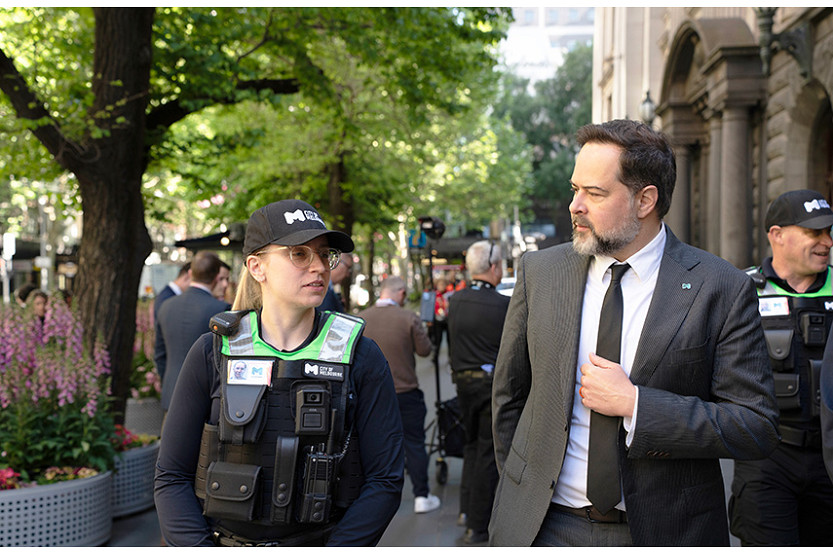
Camillo says council delivering on safety and cleaning
Two years into the current council term, City of Melbourne safety and cleaning portfolio lead Cr Rafael Camillo says Town Hall has moved beyond “talking about the problems” and is delivering practical responses to the issues that dominated the 2024 election.
Read More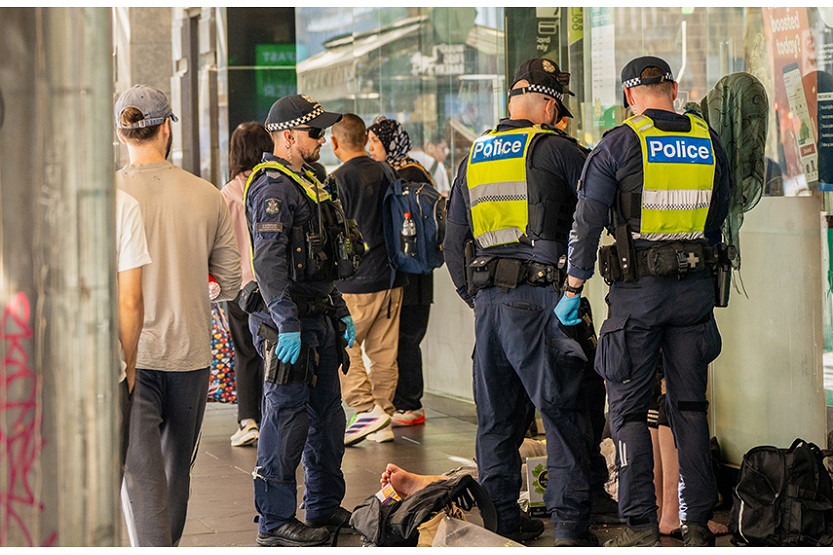
Operation Harmony nets 55 arrests as police maintain boosted CBD presence
Victoria Police says its expanded Operation Harmony has already led to 55 arrests in Melbourne’s CBD, with the month-long policing surge being credited with helping prevent further crime and improving safety in the city.
Read More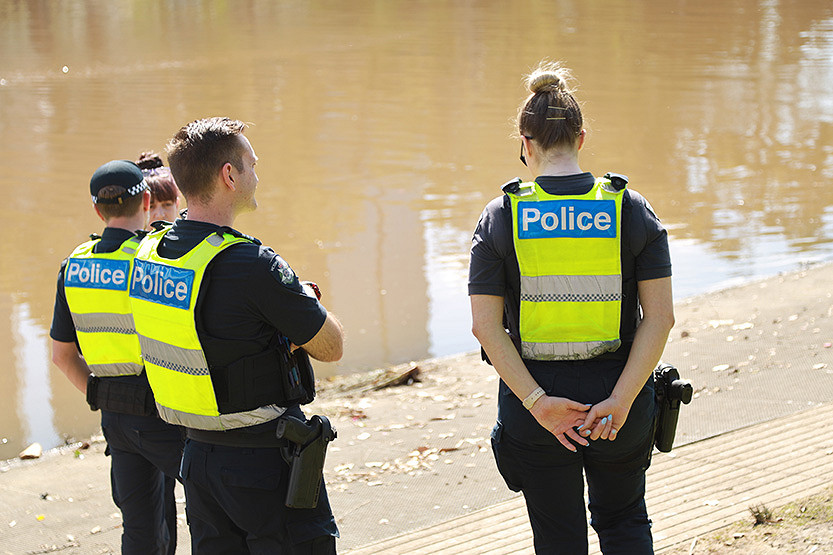
Police boost CBD presence as Operation Harmony expands
Victoria Police has significantly expanded its visible presence in Melbourne’s CBD, with the latest version of Operation Harmony now delivering almost double the daily number of officers patrolling the city.
Read More
Who actually pays Victorians the most for solar
EastEnders to host Lord Mayor and Deputy Lord Mayor

 Download the Latest Edition